Category Astronomy/Space

New Images reveal what Neptune and Uranus really look like

New images reveal what Neptune and Uranus really look like
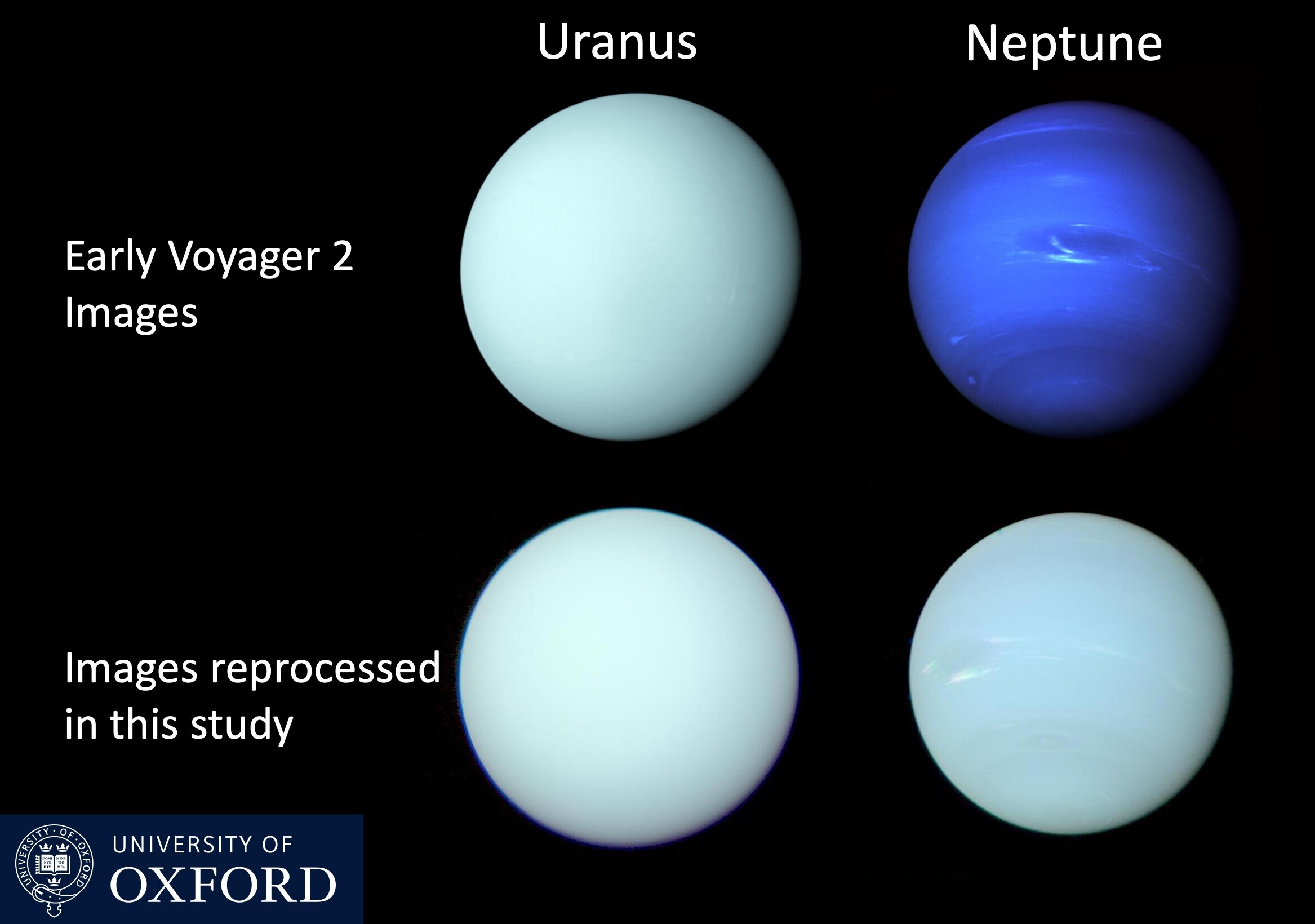
Voyager 2/ISS images of Uranus and Neptune released shortly after the Voyager 2 flybys in 1986 and 1989, respectively, compared with a reprocessing of the individual filter images in this study to determine the best estimate of the true colors of these planets. Credit: Patrick Irwin.

Neptune is fondly known for being a rich blue, and Uranus green—but a new study has revealed that the two ice giants are actually far closer in color than typically thought.

The correct shades of the planets have been confirmed with the help of research led by Professor Patrick Irwin from the University of Oxford, which has been published today in the Monthly Notices of the Royal Astronomical Society.

He and his team found that both worlds are in fact a similar shade of greenish blue, despite the c...

Read More

Face to Face with Sun-Eclipsing Proba-3

Face to face with sun-eclipsing Proba-3
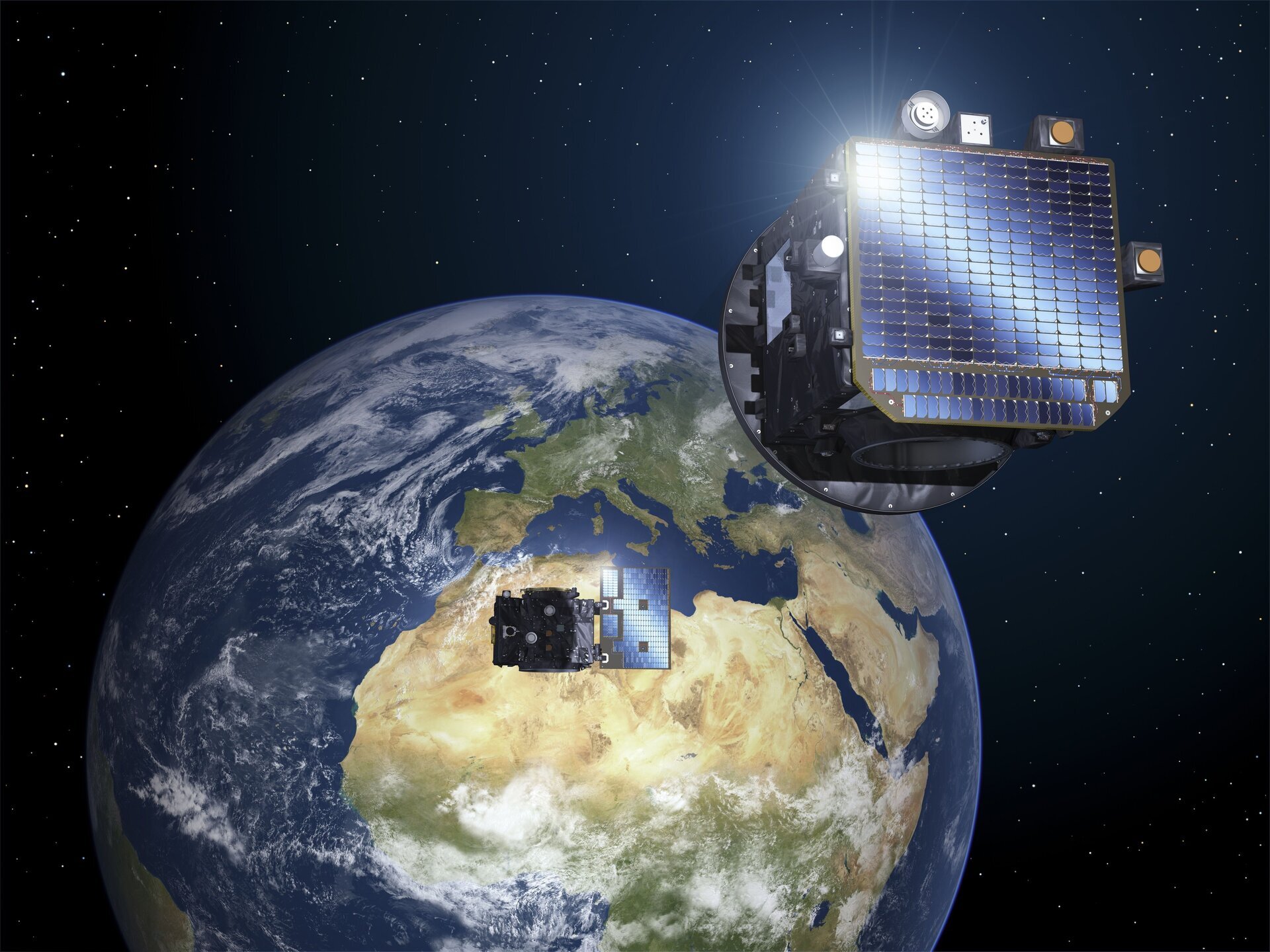
Proba-3’s pair of satellites will be in a highly elliptical orbit around Earth, performing formation flying maneuvers as well as scientific studies of the solar corona. The occulter satellite will have solar panels on its sun-facing side. Credit: ESA-P. Carril

Through exquisite, millimeter-scale, formation flying, the dual satellites making up ESA’s Proba-3 will accomplish what was previously a space mission impossible: Cast a precisely held shadow from one platform to the other, in the process blocking out the fiery sun to observe its ghostly surrounding atmosphere on a prolonged basis.

Ahead of the Proba-3 pair launching together later this year, the scientists who will make use of Proba-3 observations were able to see the satellites with their own eyes...

Read More

Is Oxygen the Cosmic Key to Alien Technology?

Astrophysicists outline the links between atmospheric oxygen and the potential rise of advanced technology on distant planets. In the quest to understand the potential for life beyond Earth, researchers are widening their search to encompass not only biological markers, but also technological ones. While astrobiologists have long recognized the importance of oxygen for life as we know it, oxygen could also be a key to unlocking advanced technology on a planetary scale.

In a new study published in Nature Astronomy, Adam Frank, the Helen F. and Fred H...

Read More

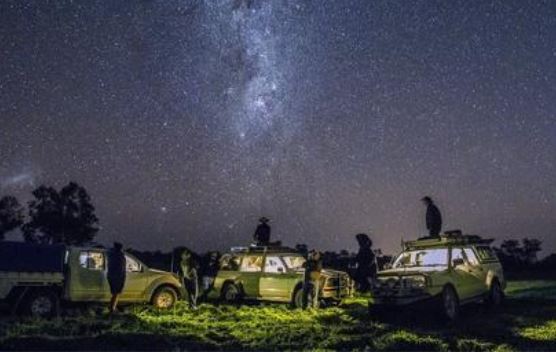
Want to get into Stargazing? A professional astronomer explains where to start

There are few things more peaceful and relaxing than a night under the stars. Through the holidays, many people head away from the bright city lights to go camping. They revel in the dark skies, spangled with myriad stars.

As a child, I loved such trips, and they helped cement my passion for the night sky, and for all things space.

One of my great joys as an astronomer is sharing the night sky with people. There is something wondrous about helping people stare at the cosmos through a telescope, getting their first glimpses of the universe’s many wonders. But we can also share and enjoy the night sky just with our own eyes—pointing out the constellations and the planets or discovering the joys of watching meteor showers.

It is easy to be bitten by the astronomy bug, and a co...

Read More