Category Astronomy/Space

Webb captures a Prominent Protostar in Perseus

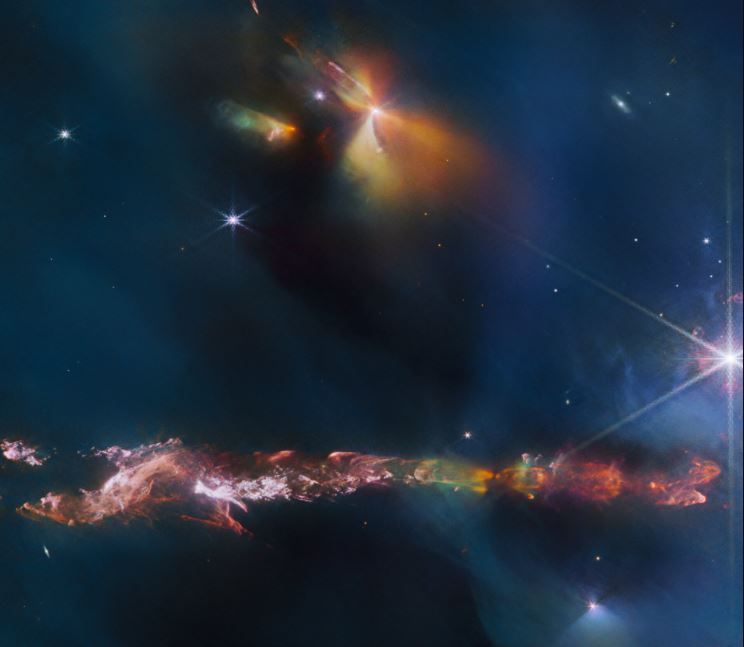
This new Picture of the Month from the NASA/ESA/CSA James Webb Space Telescope reveals intricate details of the Herbig Haro object 797 (HH797). Herbig-Haro objects are luminous regions surrounding newborn stars (known as protostars), and are formed when stellar winds or jets of gas spewing from these newborn stars form shockwaves colliding with nearby gas and dust at high speeds.

HH 797, which dominates the lower half of this image, is located close to the young open star cluster IC348, which is located near the eastern edge of the Perseus dark cloud complex. The bright infrared objects in the upper portion of the image are thought to host two further protostars.

This image was captured with Webb’s Near-InfraRed Camera (NIRCam)...

Read More
A Gamma-Ray Pulsar Milestone Inspires Innovative Astrophysics and Applications

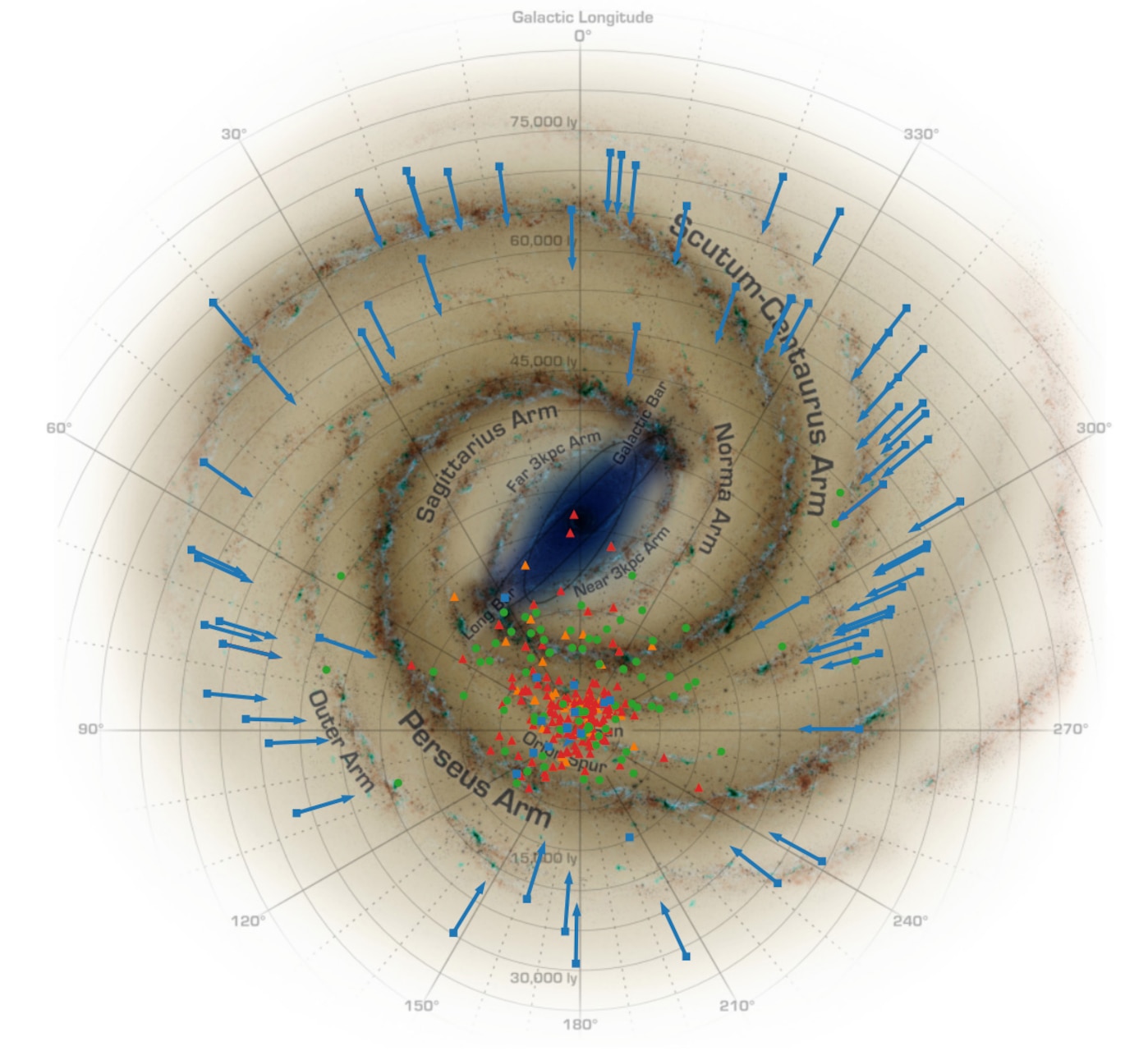
The U.S. Naval Research Laboratory (NRL), in conjunction with the international Fermi Large Area Telescope Collaboration, announce the discovery of nearly 300 gamma ray pulsars in the publication of their Third Catalog of Gamma Ray Pulsars. This milestone comes 15 years since the launch of Fermi in 2008, when there were fewer than ten known gamma-ray pulsars.

“Work on this important catalog has been going on in our group for years,” said Paul Ray, Ph.D., head of the High Energy Astrophysics and Applications Section at NRL.

“Our scientists and postdocs have been able to both discover and analyze the timing behavior and spectra of many of these newfound pulsars as part of our quest to further our understanding of these exotic stars that we are able to use as cosmic clocks.”

Pul...

Read More

Solar Activity likely to Peak Next Year

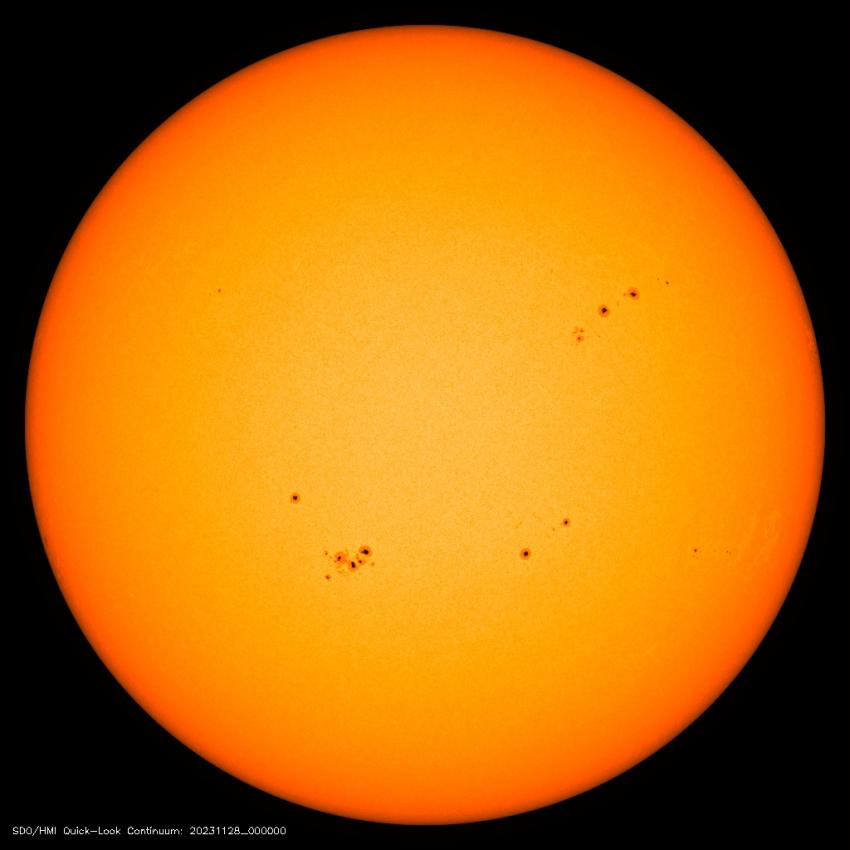
Image from the Solar Dynamics Observatory mission of the solar disk with multiple sunspots, which appear dark compared with their surroundings. Credit: HMI/SDO/NASA
Image from the Solar Dynamics Observatory mission of the solar disk with multiple sunspots, which appear dark compared with their surroundings.
Credit
HMI/SDO/NASA
Licence type
Attribution-ShareAlike (CC BY-SA 4.0)

Researchers at the Center of Excellence in Space Sciences India at IISER Kolkata have discovered a new relationship between the Sun’s magnetic field and its sunspot cycle, that can help predict when the peak in solar activity will occur. Their work indicates that the maximum intensity of solar cycle 25, the ongoing sunspot cycle, is imminent and likely to occur within a year. The new research appears in Monthly Notices of the Royal Astronomical Society: Letters.

Our star, the Sun, is made up of hot ionized gas known as plasma.

Huge plasma flows and convection conspire toge...

Read More

Hydrogen Detected in Lunar Samples, points to Resource Availability for Space Exploration

U.S. Naval Research Laboratory (NRL) researchers have discovered solar-wind hydrogen in lunar samples, which indicates that water on the surface of the Moon may provide a vital resource for future lunar bases and longer-range space exploration. Space-based resource identification is a key factor in planning for civilian- and government-led space exploration.

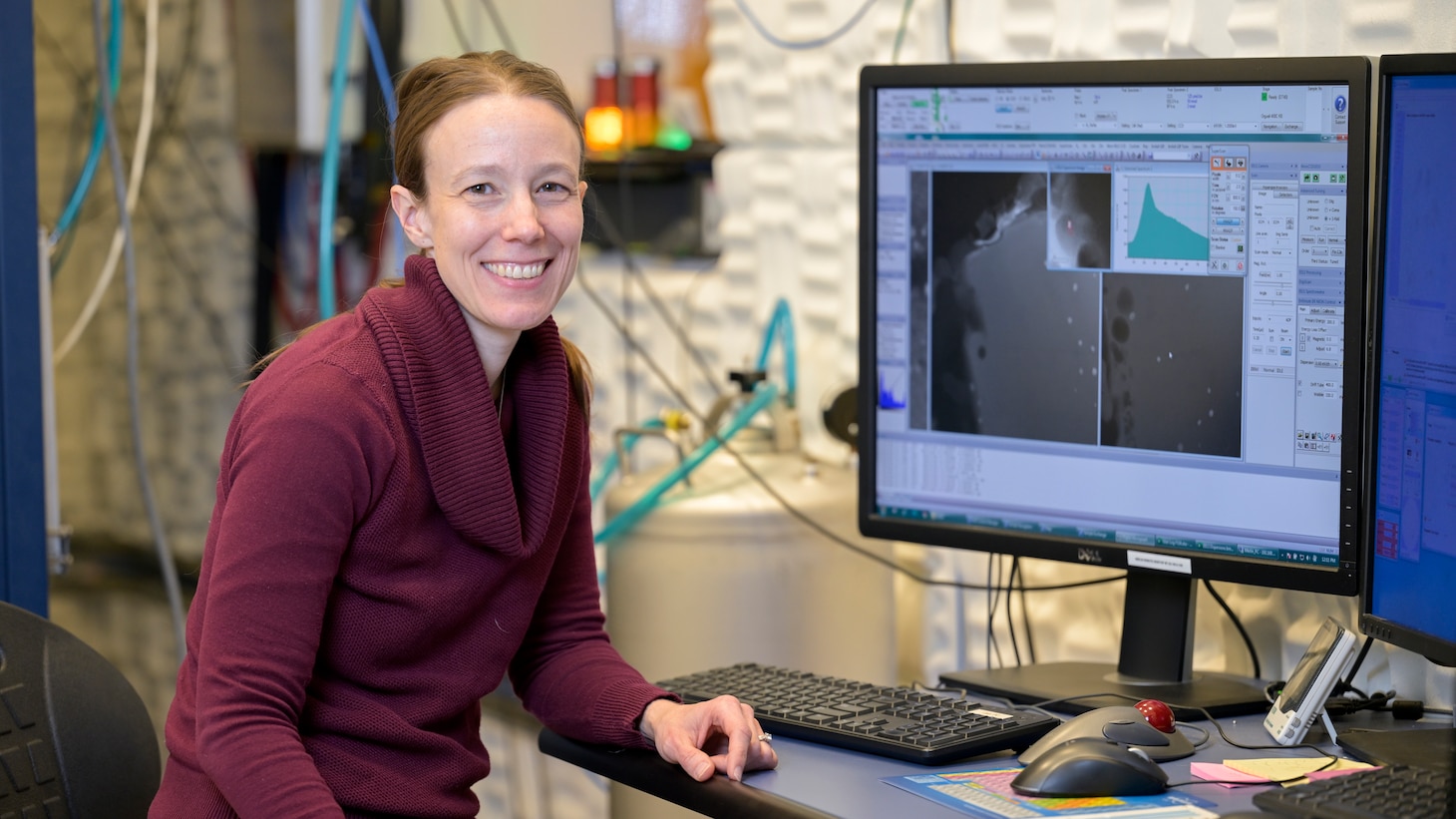
“Hydrogen has the potential to be a resource that can be used directly on the lunar surface when there are more regular or permanent installations there,” said Dr. Katherine D. Burgess, geologist in NRL’s Materials Science and Technology Division.

“Locating resources and understanding how to collect them prior to getting to the Moon is going to be incredibly valuable for space exploration.”

The Apollo lunar soil samples w...

Read More