
Category Astronomy/Space

MIRI instrument on JWST detects H-alpha emission during the Epoch of Reionization for the first time

MIRI instrument on JWST detects H-alpha emission during the Epoch of Reionization for the first time

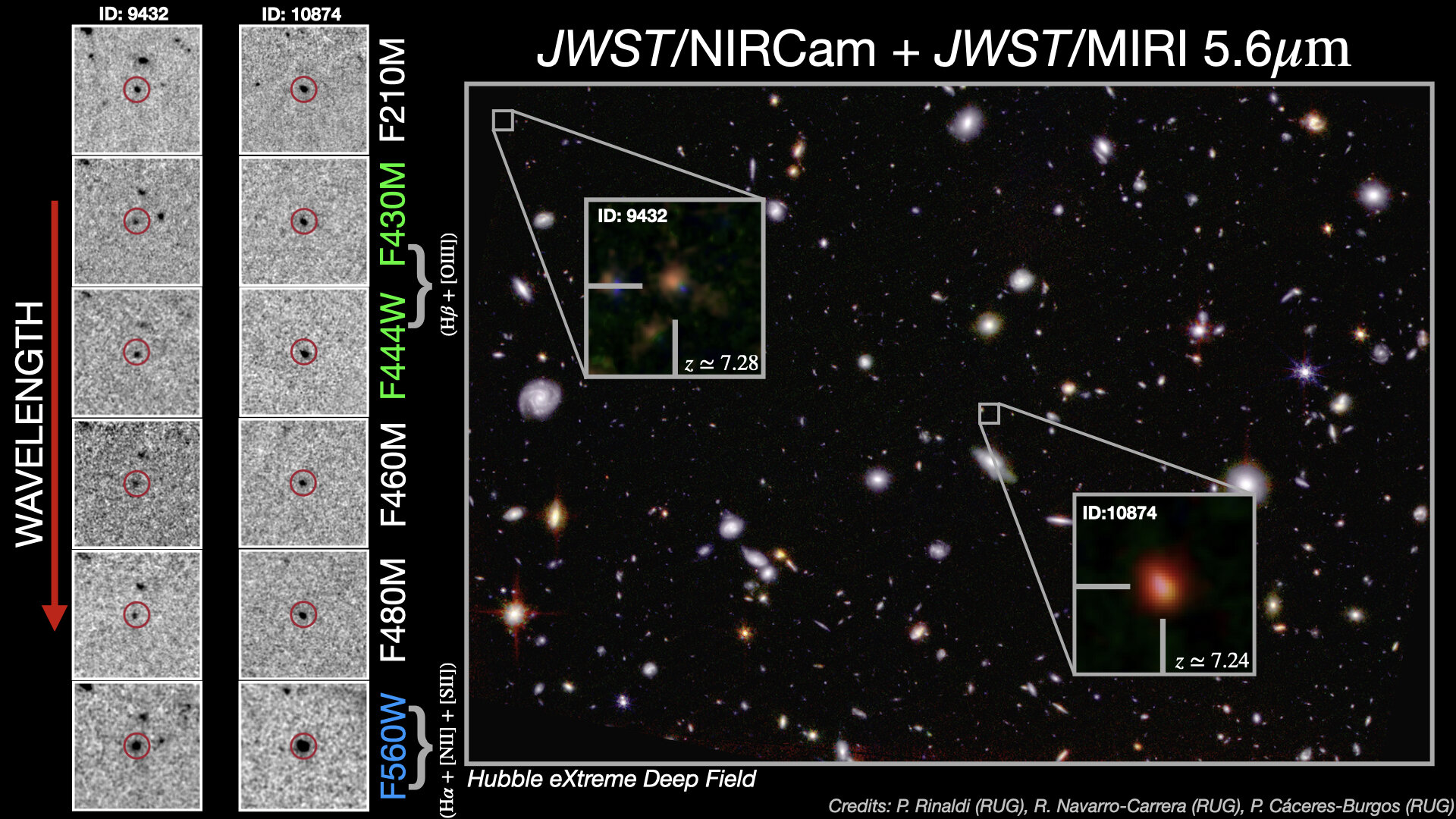
An international team of astronomers led by Pierluigi Rinaldi of the University of Groningen has detected for the first time H-alpha emission in individual galaxies during the so-called Epoch of Reionization, or cosmic dawn. To do so, they used the deepest images taken so far by the MIRI instrument on the James Webb Space Telescope. The result has been accepted for publication in The Astrophysical Journal, and is currently published on the arXiv preprint server.

Star-forming galaxies produce a large amount of UV photons, but during the Epoch of Reionization these photons are absorbed by the intergalactic medium. The best tracer to measure the level of star formation is the H-alpha emission line in the optical spectrum...

Read More
Using Photosynthesis for Martian Occupation—while making Space Travel more Sustainable

mars
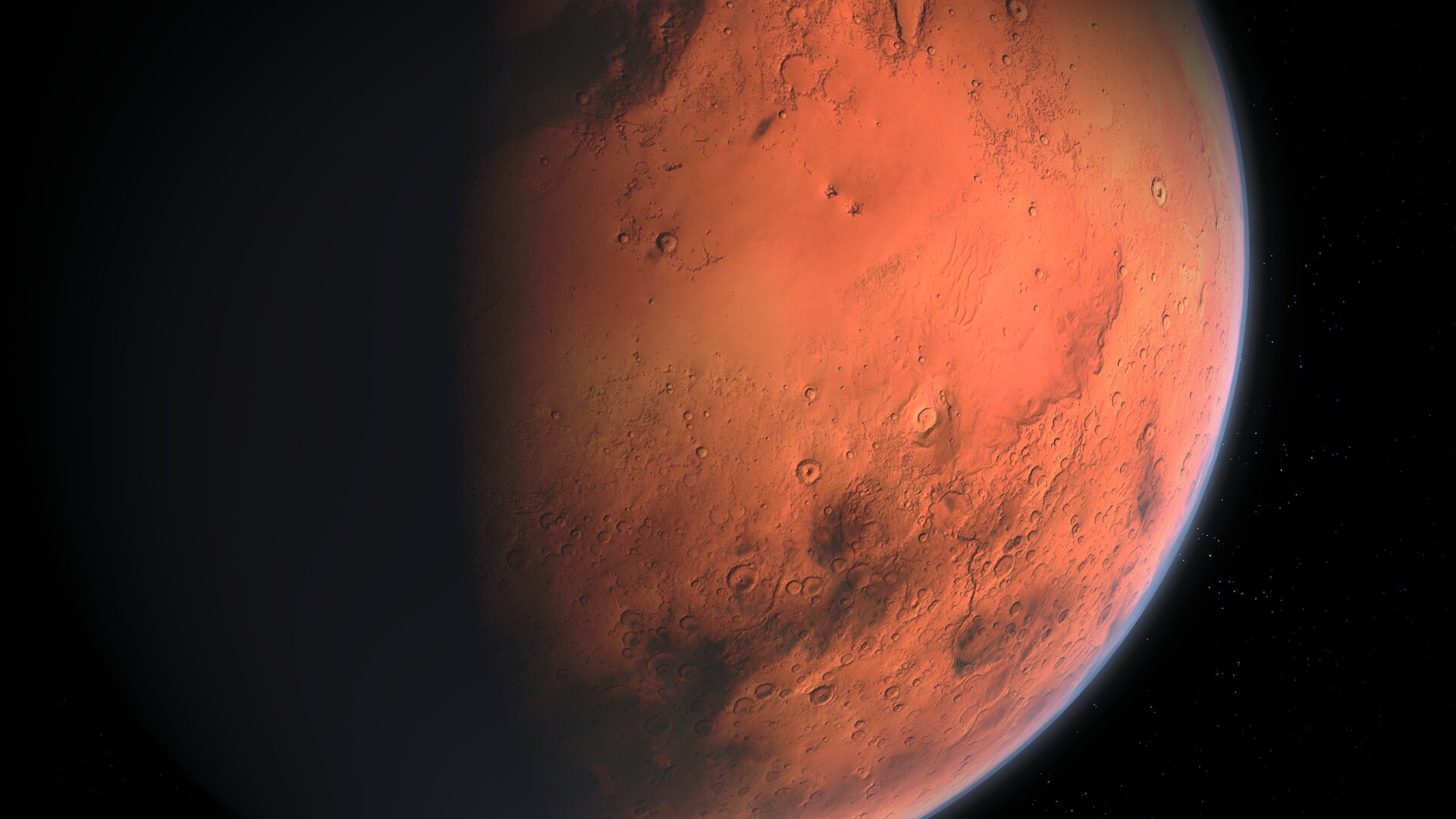
Credit: Pixabay/CC0 Public Domain

Researchers are working on sustainable technology to harvest solar power in space—which could supplement life support systems on the moon and Mars.

In a study published in Nature Communications, scientists assess a new technique which could convert renewable, green energy from outside the Earth’s atmosphere. They are taking advantage of photosynthesis—the chemical process plants undergo every day to create energy—to help the space industry become more sustainable.

The research led by the University of Warwick evaluates the use of a special device known as semiconductor to absorb sunlight on moon and Mars. It is hoped that the devices could promote Martian life support systems.

These “artificial photosynthesis devices” undergo the same pr...

Read More

New Study Identifies Mechanism driving the Sun’s Fast Wind

Image credit: Amanda Smith / University of Birmingham

Release of magnetic energy near the sun’s surface enables the solar wind to reach gravity-defying speeds. In a paper published June 7, 2023 in the journal Nature, a team of researchers used data from NASA’s Parker Solar Probe to explain how the solar wind is capable of surpassing speeds of 1 million miles per hour. They discovered that the energy released from the magnetic field near the sun’s surface is powerful enough to drive the fast solar wind, which is made up of ionized particles — called plasma — that flow outward from the sun.

James Drake, a Distinguished University Professor in the University of Maryland’s Department of Physics and Institute for Physical Science and Technology (IPST), co-led this research alongside firs...

Read More

Parker Solar Probe Flies into the Fast Solar Wind and finds its Source

Artist’s concept of the Parker Solar Probe spacecraft approaching the sun. Launched in 2018, the probe is increasing our ability to forecast major space-weather events that impact life on Earth. (Image credit: NASA)

NASA’s Parker Solar Probe (PSP) has flown close enough to the sun to detect the fine structure of the solar wind close to where it is generated at the sun’s surface, revealing details that are lost as the wind exits the corona as a uniform blast of charged particles.

It’s like seeing jets of water emanating from a showerhead through the blast of water hitting you in the face.

In a paper to be published in the journal Nature, a team of scientists led by Stuart D...

Read More
