Category Astronomy/Space

Scientists devise Method to Secure Earth’s Biodiversity on the Moon

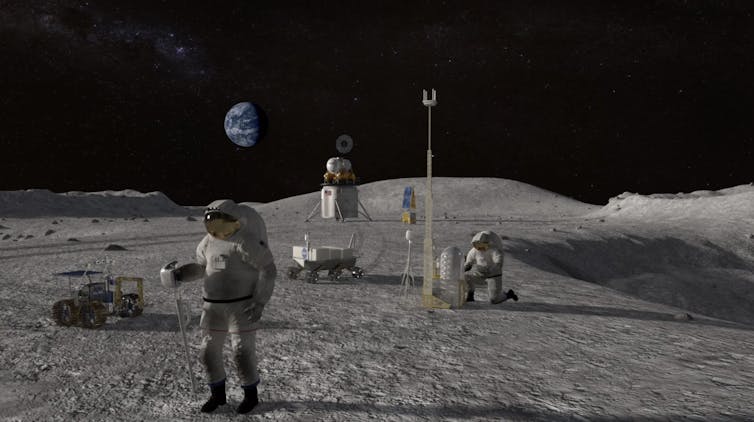
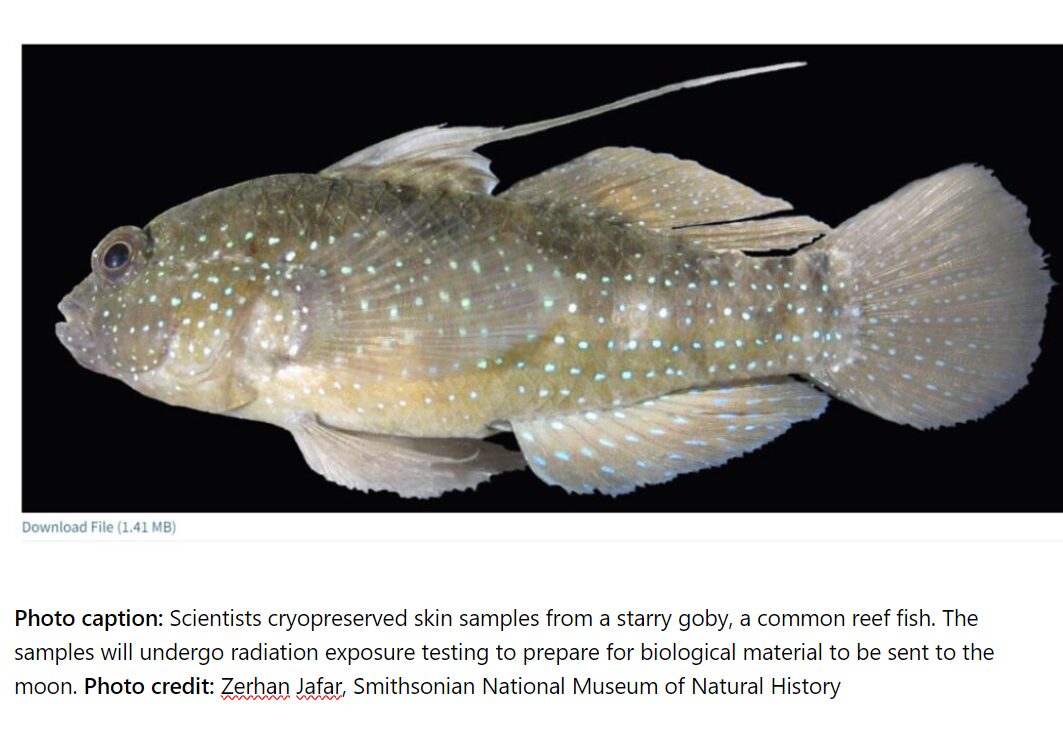
Proposed lunar biorepository could store genetic samples without electricity or liquid nitrogen. New research led by scientists at the Smithsonian proposes a plan to safeguard Earth’s imperiled biodiversity by cryogenically preserving biological material on the moon. The moon’s permanently shadowed craters are cold enough for cryogenic preservation without the need for electricity or liquid nitrogen, according to the researchers.

The paper, published today in BioScience and written in collaboration with researchers from the Smithsonian’s National Zoo and Conservation Biology Institute (NZCBI), Smithsonian’s National Museum of Natural History, Smithsonian’s National Air and Space Museum and others, outlines a roadmap to create a lunar biorepository, including ideas for governance, t...

Read More

Astronomers explain Rapid Formation of Organic Macromolecules in Protoplanetary Disks around Young Stars

Astronomers clarify how organic macromolecules are formed
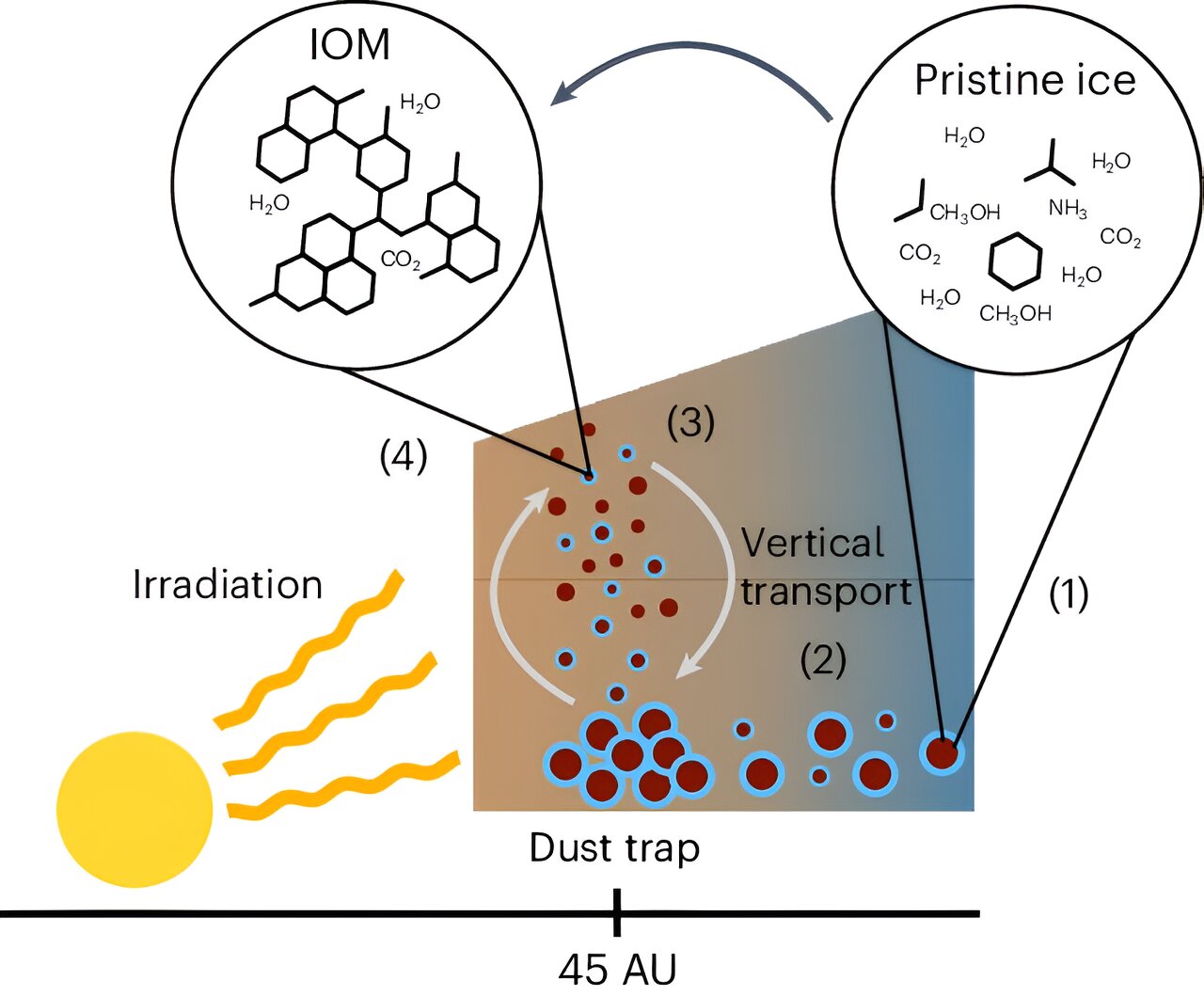
Schematic depiction of the IOM formation scenario. Credit: Nature Astronomy (2024). https://doi.org/10.1038/s41550-024-02334-4

An international team of researchers led by the University of Bern has used observation-based computer modeling to find an explanation for how macromolecules can form in a short time in disks of gas and dust around young stars. These findings could be crucial for understanding how habitability develops around different types of exoplanets and stars.

Organic macromolecules are regarded as the building blocks of life, as they are of crucial importance for the life-friendly carbon and nitrogen composition of the earth.

Planetary scientists have long assumed that the organic macromolecules that make the Earth suitable for life come from so-called chondrites...

Read More

Ever see a Star Explode? You’re about to get a chance very soon

nova star
Credit: Pixabay/CC0 Public Domain

Every clear night for the last three weeks, Bob Stephens has pointed his home telescope at the same two stars in hopes of witnessing one of the most violent events in the universe—a nova explosion a hundred thousand times brighter than the sun.

The eruption, which scientists say could happen any day now, has excited the interest of major observatories worldwide, and it promises to advance our understanding of turbulent binary star systems.

Yet for all the high-tech observational power that NASA and other scientific institutions can muster, astrophysicists are relying on countless amateur astronomers like Stephens to spot the explosion first.

The reason? It’s just too costly to keep their equipment focused on the same subject for months at a ...

Read More

A Cave Discovered on the Moon Opens up New Opportunities for Settlement by Humans

Astronauts
Cave systems would act as a natural shelter for a lunar base. NASA

Almost 55 years after the launch of Apollo 11—the first mission to land humans on the moon—scientists have found evidence of a large cave system near the landing site of those astronauts.

Using radar images taken by Nasa’s Lunar Reconnaissance Orbiter spacecraft in 2010, researchers have been able to determine that huge pits, found in images of the moon, may in fact be “skylights” to large caves and tunnels that sit beneath the lunar surface.

These could be incredibly valuable to future astronauts hoping to settle on the moon, acting as a convenient shelter for a lunar base.

The cave is accessible through a pit in the well-studied Mare Tranquillitatis (Sea of Tranquility)...

Read More