
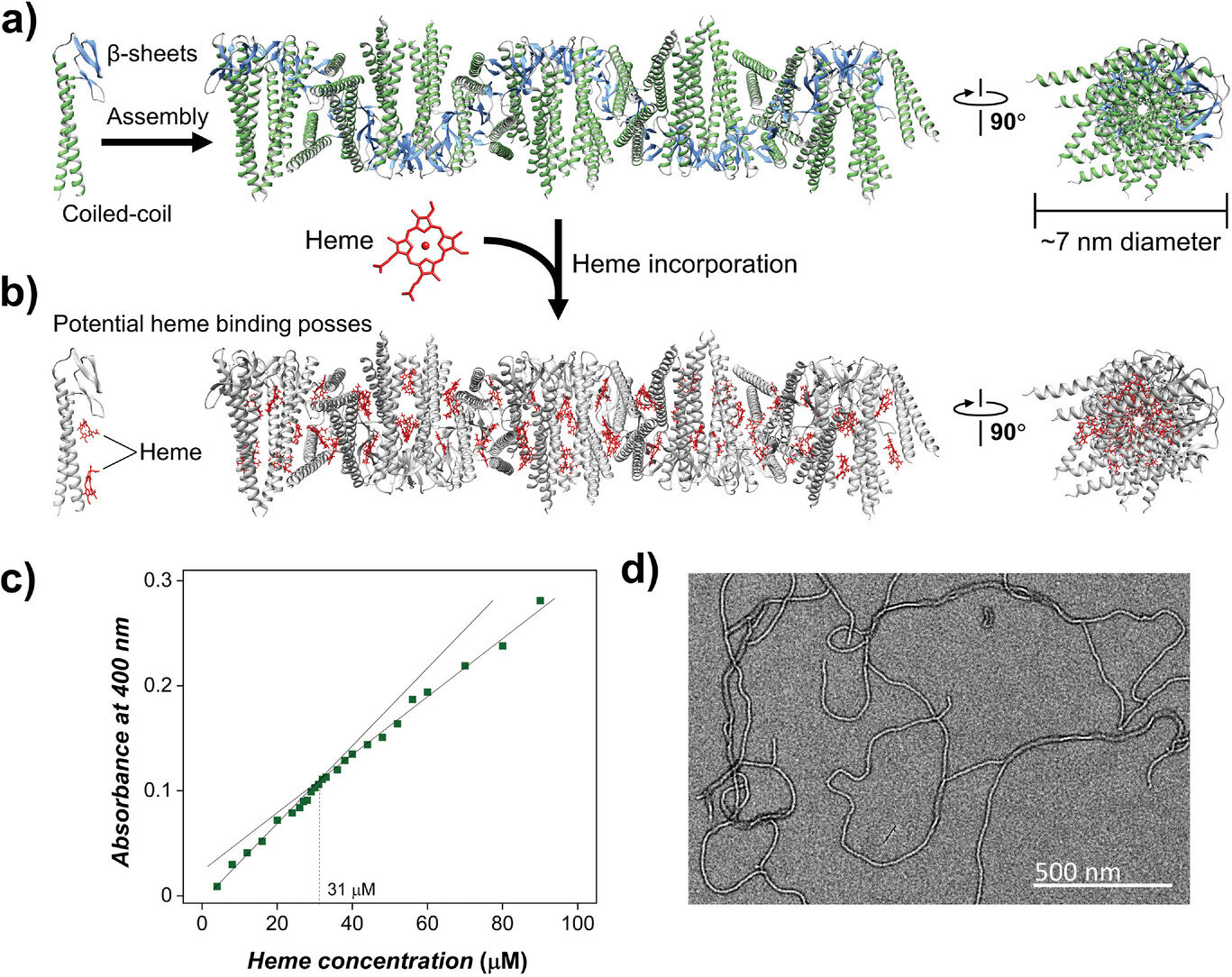
Engineered protein filaments originally produced by bacteria have been modified by scientists to conduct electricity...
Read More


May 3, 2024,
 Biology/Biotechnology, Physics, Technology/Electronics
Engineered protein filaments originally produced by bacteria have been modified by scientists to conduct electricity...
Read More
May 2, 2024,
Biology/Biotechnology, Health/Medical
Columbia University researchers have found cells inside clogged arteries share similarities with cancer and aggravate atherosclerosis, raising the possibility that anticancer drugs could be used to treat atherosclerosis and prevent heart attacks.
Their study found that smooth muscle cells that normally line the inside of our arteries migrate into atherosclerotic plaques, change their cell identity, activate cancer genes, and proliferate inside the plaques.
“Our study shows that these transformed muscle cells are driving atherosclerosis, opening the door to new ways to treat the disease, potentially with existing cancer drugs,” says Muredach Reilly, MD, the Florence and Herbert Irving Endowed Professor of Medicine at Columbia University Vagelos College of Physicians and Surgeons ...
Read More
April 30, 2024,
Biology/Biotechnology, Health/Medical

Patients with growth hormone receptor deficiency, or Laron syndrome, appear to have lower than average risk factors for cardiovascular disease, according to a new study.
A new study highlights possible cardiovascular health advantages in individuals with a rare condition known as growth hormone receptor deficiency (GHRD), also called Laron syndrome.
GHRD, which is characterized by the body’s impaired ability to use its own growth hormone and results in stunted growth, has been linked in mice to a record 40% longevity extension and lower risks for various age-related diseases...
Read More
April 29, 2024,
Biology/Biotechnology, Health/Medical

Researchers at the Francis Crick Institute, the National Cancer Institute (NCI) of the U.S. National Institutes of Health (NIH) and Aalborg University in Denmark have found that vitamin D encourages the growth of a type of gut bacteria in mice which improves immunity to cancer.
Reported today in Science, the researchers found that mice given a diet rich in vitamin D had better immune resistance to experimentally transplanted cancers and improved responses to immunotherapy treatment. This effect was also seen when gene editing was used to remove a protein that binds to vitamin D in the blood and keeps it away from tissues.
Surprisingly, the team found th...
Read More

Recent Comments