Category Biology/Biotechnology

Signs of Multiple Sclerosis show up in Blood Years Before Symptoms, study finds

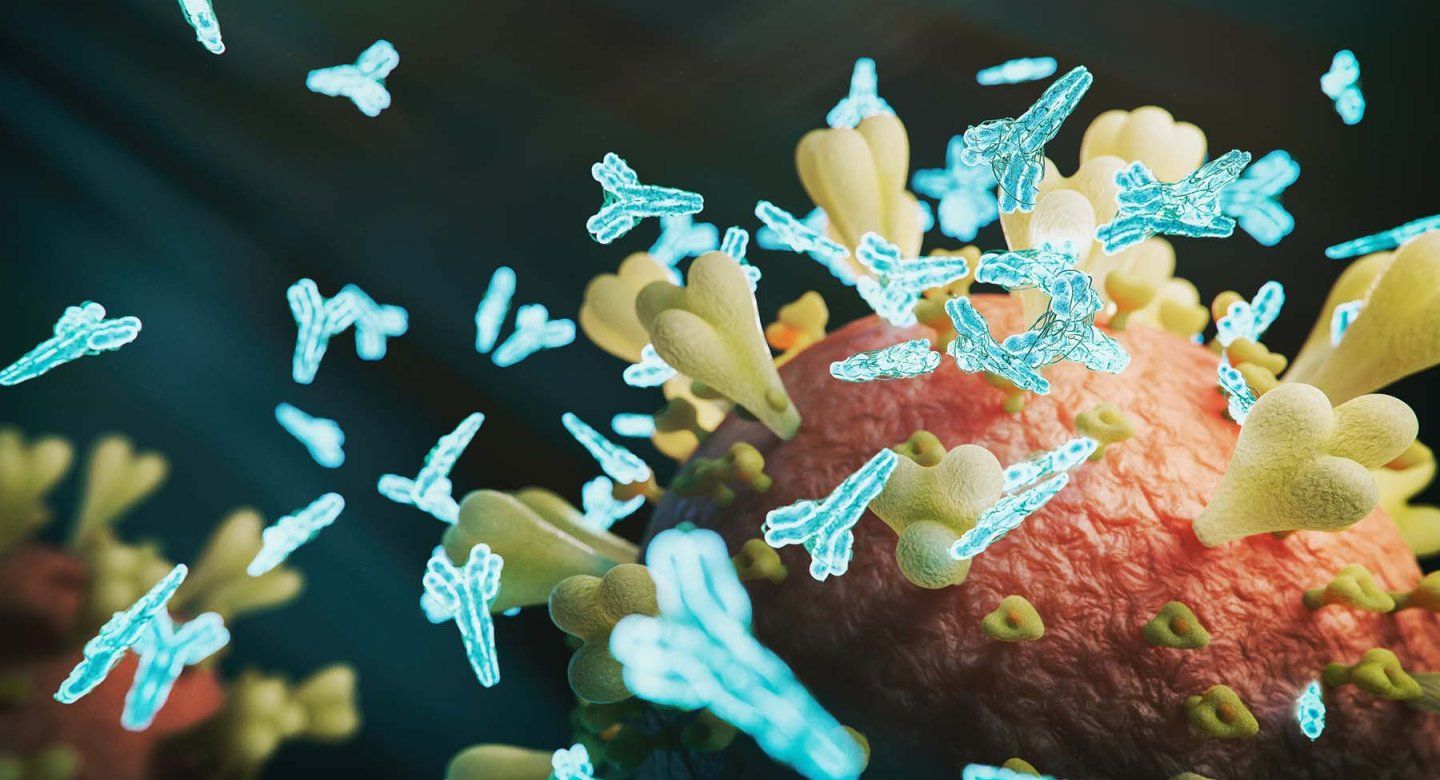
An illustration of antibodies attacking a cell.

In a discovery that could hasten treatment for patients with multiple sclerosis (MS), UC San Francisco scientists have discovered a harbinger in the blood of some people who later went on to develop the disease.

In about 1 in 10 cases of MS, the body begins producing a distinctive set of antibodies against its own proteins years before symptoms emerge. These autoantibodies appear to bind to both human cells and common pathogens, possibly explaining the immune attacks on the brain and spinal cord that are the hallmark of MS.

The findings were published in Nature Medicine on April 19.

MS can lead to a devastating loss of motor control, although new treatments can slow the progress of the disease and, for example, preserve a patient’s ability to walk...

Read More
Researchers Develop a New Way to Safely Boost Immune Cells to Fight Cancer

Researchers develop a new way to safely boost immune cells to fight cancer
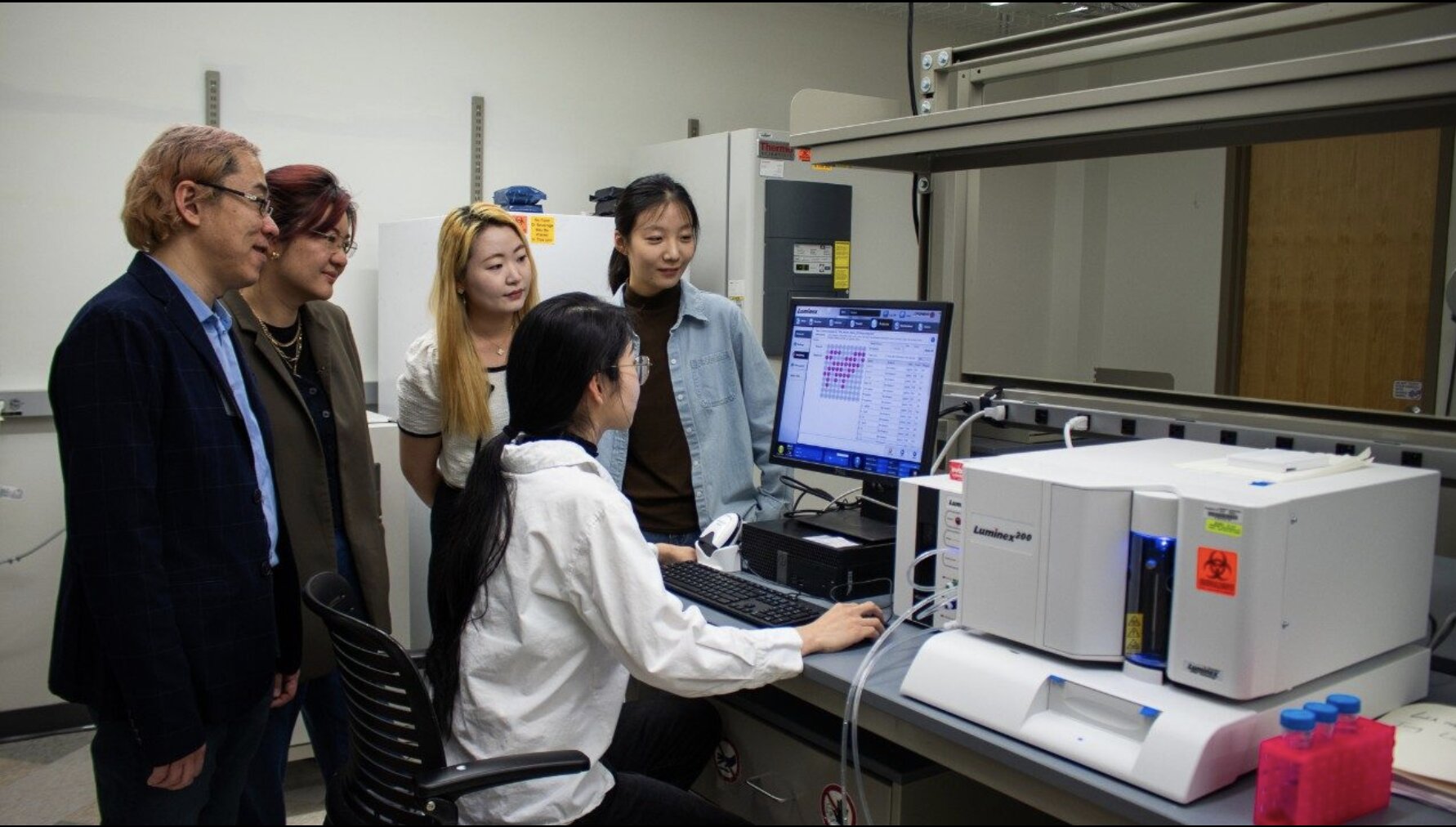
(Standing, from left) Rong Tong, associate professor in chemical engineering; Wenjun “Rebecca” Cai, associate professor in materials science and engineering; Eungyo Jang; and Ziyu Huo gather around Liqian Niu (seated), who is working with a Luminex 200 machine used to analyze tumor cytokine levels. Credit: Hailey Wade for Virginia Tech.

Last year alone, more than 600,000 people in the United States died from cancer, according to the American Cancer Society. The relentless pursuit of understanding this complex disease has shaped medical progress in developing treatment procedures that are less invasive while still highly effective.

Immunotherapy is on the rise as a possible solution...

Read More

Researchers discover how Gut Muscle can be Vital for Growth, Repair and Treatments

Gut muscle vital for absorbing fats forms like scars
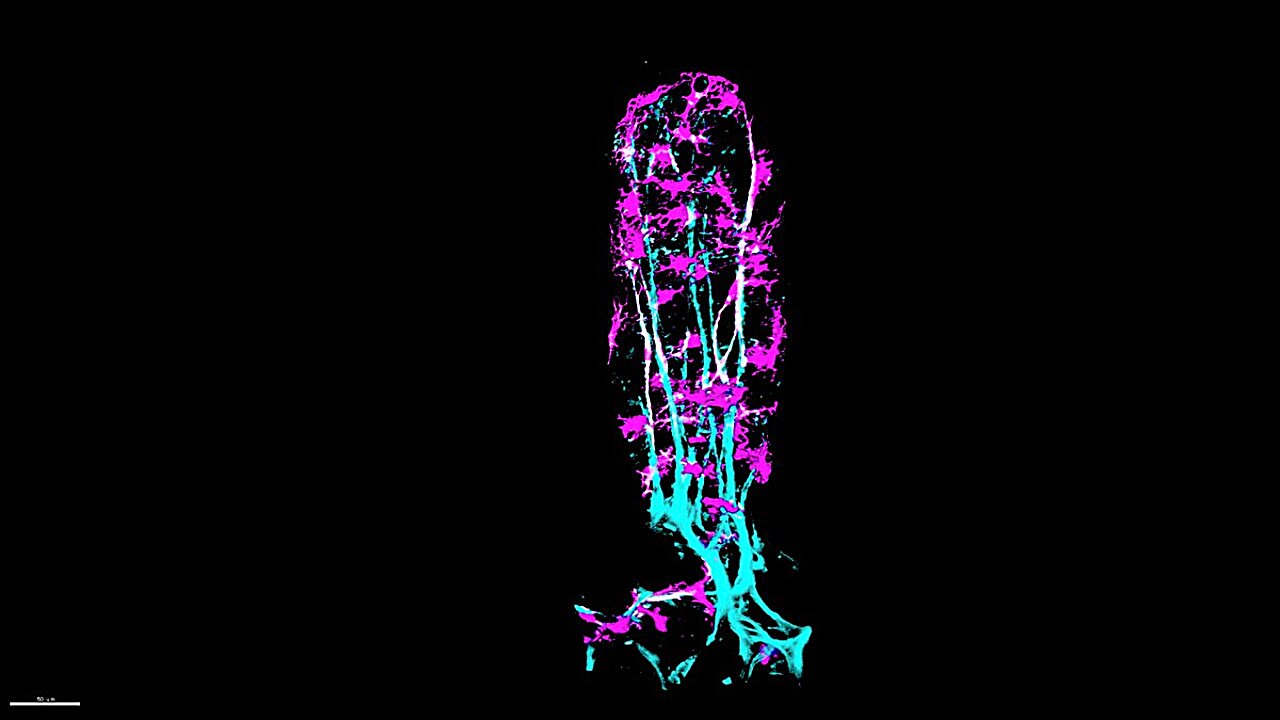
Intestinal villus with myofibroblast progenitor cells (magenta) differentiate into smooth muscle fibers (cyan) that support dietary fat absorption. Credit: Kurpios Lab/Provided

By discovering how a type of smooth muscle—which is essential for mechanical aspects of absorbing fats from food—forms in the gut, Cornell scientists have opened doors to making Artificial Muscle, Repairing muscle following gut surgeries, and treating inflammatory bowel disease and obesity.

The findings, published in a study in Developmental Cell, reveal that intestinal smooth muscle originates in embryos and forms by the same process that is a hallmark of creating scar tissue when a wound heals.

The smooth muscle sits inside tiny finger-like projections called villi, which absorb fats—also known as li...

Read More

New Inflammatory Bowel Disease Testing Protocol could Speed up Diagnosis

Black woman wearing sports outfit holding stomach in pain

Serial home tests would reduce unnecessary colonoscopy testing. Patients with suspected inflammatory bowel disease (IBD) could benefit from better testing protocols that would reduce the need and lengthy wait for potentially unnecessary colonoscopies, a new study has found.

In a paper published in Frontline Gastroenterology, researchers from the Birmingham NIHR Biomedical Research Centre (BRC) at the University of Birmingham tested a new protocol to improve IBD diagnosis combining clinical history with multiple home stool tests.

In the two-year study involving 767 participants, patients were triaged and had repeated faecal calprotectin (FCP) tests and the research team found that the use of serial FCP tests were able to strongly predict possible IBD as well as Crohn’s Disease an...

Read More