Category Biology/Biotechnology

Discovery of How to Limit Asthma Attack Damage could Stop Disease

Woman taking a blue asthma inhaler

Scientists at King’s College London have discovered a new cause for asthma that sparks hope for treatment that could prevent the life-threatening disease.

Most current asthma treatments stem from the idea that it is an inflammatory disease. Yet, the life-threatening feature of asthma is the attack or the constriction of airways, making breathing difficult. The new study, published in Science, shows for the first time that many features of an asthma attack—inflammation, mucus secretion, and damage to the airway barrier that prevents infections—result from this mechanical constriction in a mouse model.

The findings suggest that blocking a process that normally causes epithelial cell death could prevent the damage, inflammation, and mucus that result from an asthma attack.

P...

Read More

Did you know that Physical Activity can Protect you from Chronic Pain?

people paddling kayaks on the ocean
UiT researchers have found that physically active people have a lower risk of experiencing chronic pain several years later. “This suggests that physical activity increases our ability to tolerate pain and may be one of the ways in which activity helps to reduce the risk of developing severe chronic pain,” says doctoral fellow Anders Årnes.FOTO: DAVID JENSEN / UIT

One of the reasons is that it increases your pain tolerance. Researchers found that people who were more active in their free time had a lower chance of having various types of chronic pain 7-8 years later. For example, being just a little more active, such as going from light to moderate activity, was associated with a 5% lower risk of reporting some form of chronic pain later...

Read More

Drawing Inspiration from Plants: A Metal-Air Paper Battery for Wearable Devices

Drawing inspiration from plants: A metal–air paper battery for wearable devices
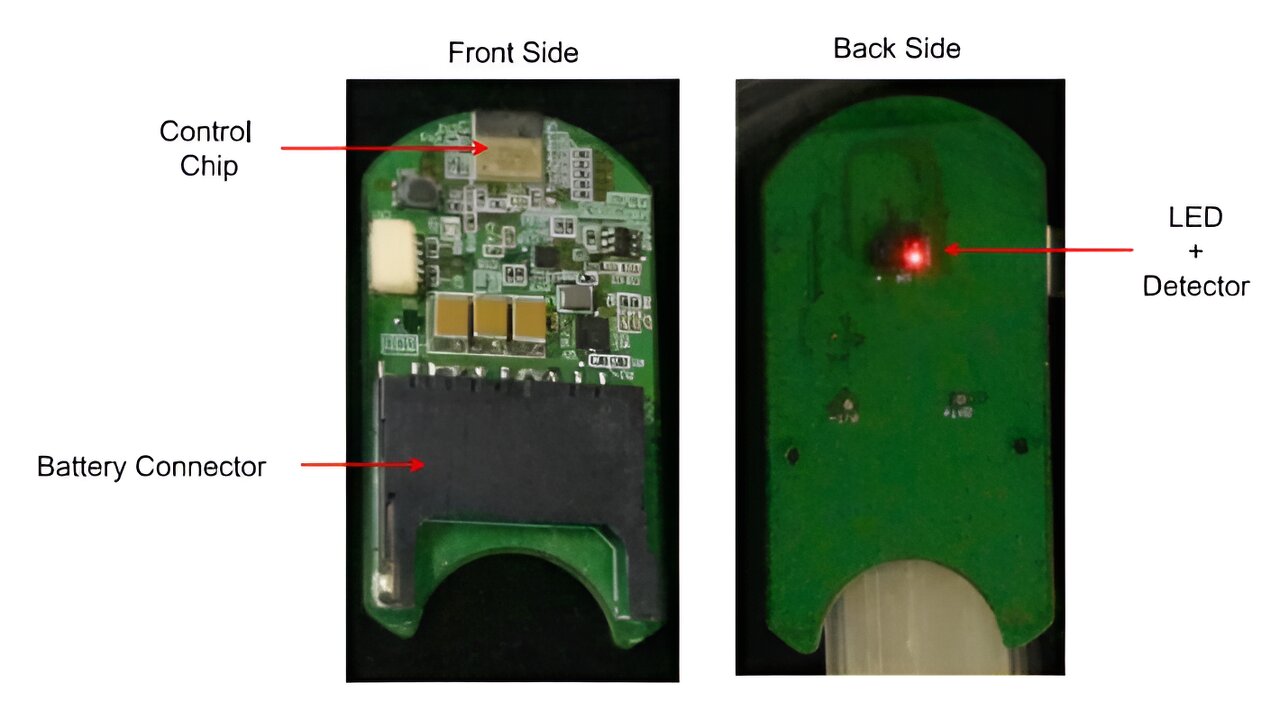
Photographs and a circuit diagram of a SpO2 sensor without cover. On the front side, control IC chip and battery connector were equipped. On the back side, the LED and detector for measuring pulse and O2 saturation were equipped. Credit: RSC Applied Interfaces (2024). DOI: 10.1039/D4LF00039K

For more than two millennia, paper has been a staple of human civilization. But these days, the use of paper is not limited to writing. It is also playing a pivotal role in ushering in a greener future.

Lightweight and thin paper-based devices help reduce dependence on metal or plastic materials, while at the same time being easier to dispose of...

Read More

Universal Brain-Computer Interface lets People Play Games with just their Thoughts

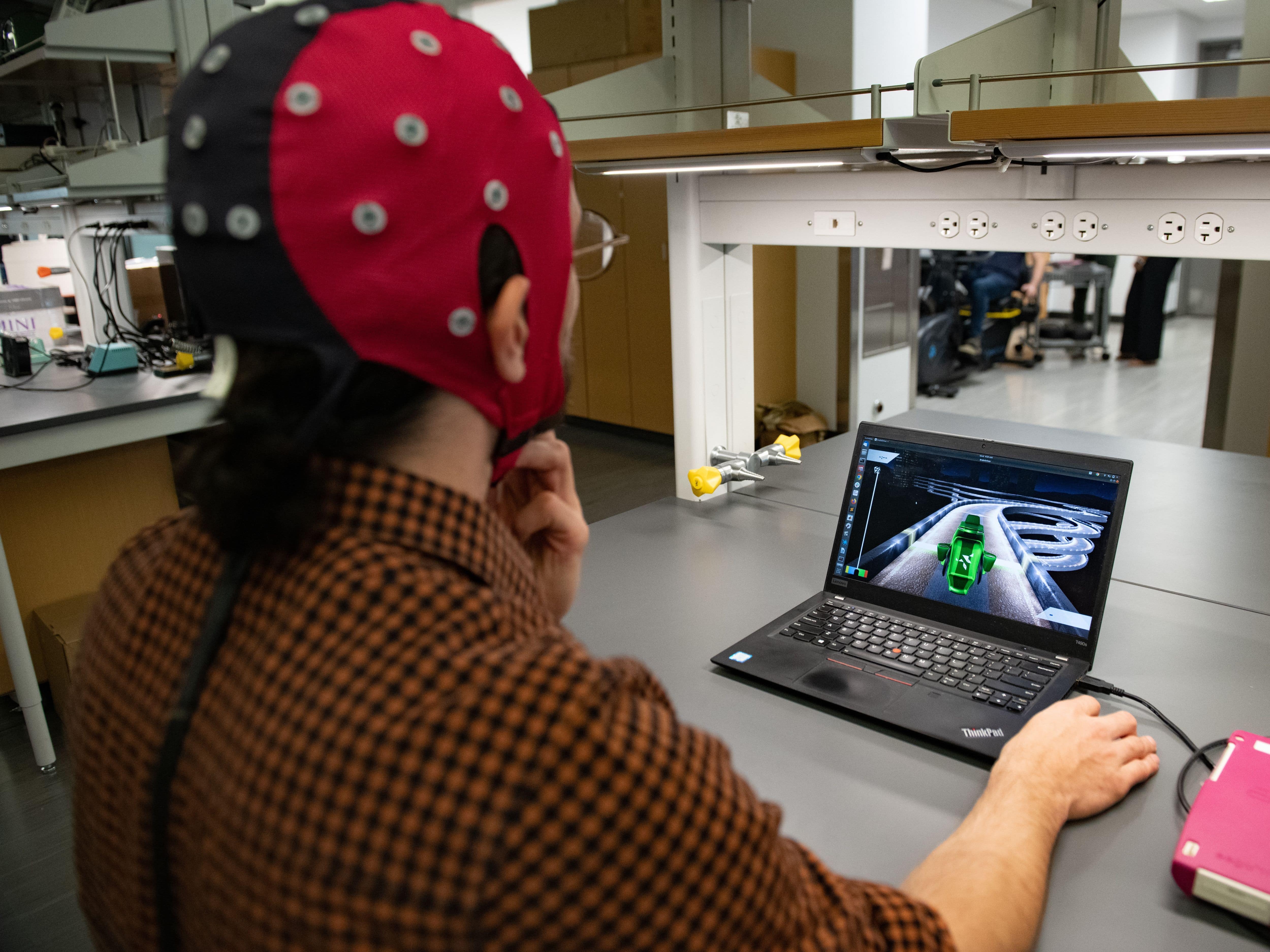
Texas Engineering student wearing electrode cap at computer desk
Hussein Alawieh, a graduate student in Dr. José del R. Millán’s lab, wears a cap packed with electrodes that is hooked up to a computer. The electrodes gather data by measuring electrical signals from the brain, and the decoder interprets that information and translates it into game action.

Engineers have created a brain-computer interface that doesn’t require calibration for each user, paving the way for widespread clinical applicability.

Imagine playing a racing game like Mario Kart, using only your brain to execute the complex series of turns in a lap.

This is not a video game fantasy, but a real program that engineers at The University of Texas at Austin have created as part of research into brain-computer interfaces to help improve the lives of people with motor disabiliti...

Read More