Category Biology/Biotechnology

Consistently Exercising 2–3 times a week over the Long Term linked to Lower Current Insomnia Risk

active vs lazy
Credit: Unsplash/CC0 Public Domain

Consistently exercising 2–3 times a week over the long term is linked to a lower current risk of insomnia as well as the ability to clock up the recommended 6–9 hours of shut-eye every night, suggests an international 10-year study published in the open access journal BMJ Open.

Regular exercise is associated with better overall health, and several studies have suggested that physical activity promotes better quality sleep and may improve symptoms of chronic insomnia, note the researchers.

But it’s not entirely clear how much gender, age, weight (BMI), overall fitness, general health, and exercise type contribute to this association, they add.

To explore this further, the researchers assessed the frequency, duration, and intensity of weekl...

Read More

Scientists Identify a Key Driver of Myelin Repair

Scientists identify a key driver of myelin repair
Actin filaments (cyan) and an actin regulatory protein (magenta) in a differentiating oligodendrocyte. Credit: Brad Zuchero and Andrew Olson

New research from scientists at the Wu Tsai Neurosciences Institute at Stanford University has identified a key driver of myelination, the formation of protective fatty sheaths around nerve fibers.

Myelination is essential for the rapid transmission of electrical signals in the brain, facilitating everything from movement to thought. The breakdown or loss of this myelin sheath, as seen in conditions like multiple sclerosis and other neurodegenerative diseases, leads to significant cognitive and physical impairments.

The new findings have researchers excited about the potential for new avenues of treatment to regrow these insulating sheaths i...

Read More

Scientists create Novel Technique to form Human Artificial Chromosomes

Credit: CC0 Public Domain

Human artificial chromosomes (HACs) capable of working within human cells could power advanced gene therapies, including those addressing some cancers, along with many laboratory applications, though serious technical obstacles have hindered their development. Now a team led by researchers at the Perelman School of Medicine at the University of Pennsylvania has made a significant breakthrough in this field that effectively bypasses a common stumbling block.

In a study published in Science, the researchers explained how they devised an efficient technique for making HACs from single, long constructs of designer DNA...

Read More

New Brain Discovery could Help in the Fight Against Obesity

New brain discovery could help in the fight against obesity
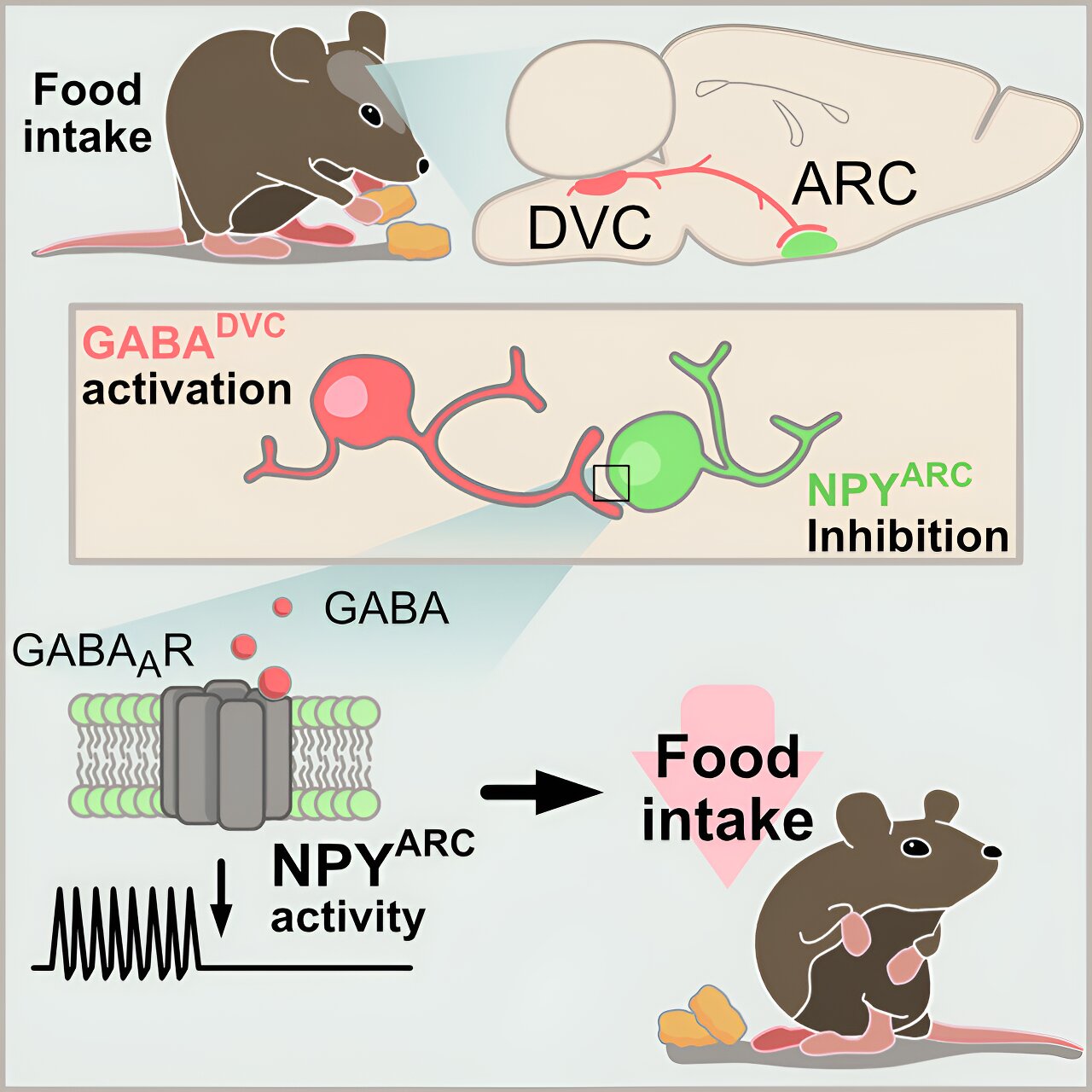
Credit: Current Biology (2024). DOI: 10.1016/j.cub.2024.02.074

One of the largest threats to human health is obesity, but now researchers from the University of Aberdeen Rowett Institute have made an important discovery in how the brain controls food intake.

Obesity and being overweight have become the “new normal” in modern times and can lead to a multitude of health problems. We know that excess weight is primarily caused by eating more calories than the body needs; however, new research published in Current Biology has found a specific cluster of cells in the brain that control body weight.

How the brain controls hunger has not been fully defined. The researchers discovered a cluster of brain cells that can be harnessed to reduce food intake and body weight...

Read More