



- The gut can drive age-associated memory loss, research reveals
- No battery needed: Single organic device can act as both indoor solar cell and a photodetector
- Scientists crack a 20-year nuclear mystery behind the creation of gold
- Scientists find a new therapeutic target present on up to half of all tumors
Category Biology/Biotechnology
Neurobiologists Uncover how Stress turns into Fear in the Brain in Conditions such as PTSD
March 18, 2024,
 Biology/Biotechnology, Health/Medical
Our nervous systems are naturally wired to sense fear. Whether prompted by the eerie noises we hear alone in the dark or the approaching growl of a threatening animal, our fear response is a survival mechanism that tells us to remain alert and avoid dangerous situations.Read More
Revealing a Hidden Threat: Researchers show Viral Infections pose Early Heart Risks
March 13, 2024,
Biology/Biotechnology, Health/Medical
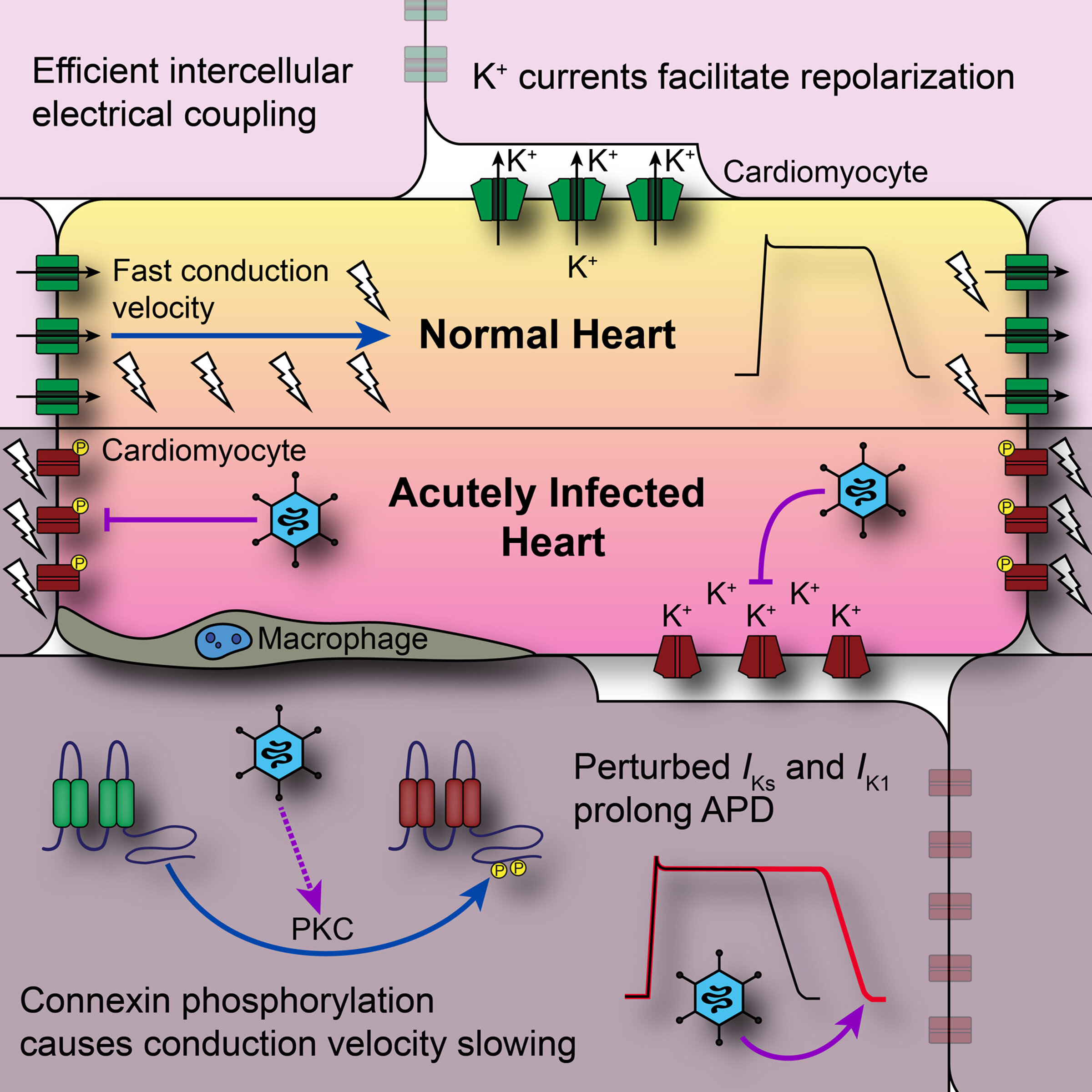
In a potentially game-changing development, scientists with the Fralin Biomedical Research Institute at VTC have revealed a new understanding of sometimes fatal viral infections that affect the heart.
Traditionally, the focus has been on heart inflammation known as myocarditis, which is often triggered by the body’s immune response to a viral infection.
However, a new study led by James Smyth, associate professor at the Fralin Biomedical Research Institute, sheds new light on this notion, revealing that the virus itself creates potentially dangerous conditions in the heart before inflammation sets in.
The discovery, now online and set to appear in the March 29 issue of Circulation Res...
Read MoreCracking Epigenetic Inheritance: Biologists discovered the Secrets of How Gene Traits are passed on
March 11, 2024,
Biology/Biotechnology, Health/Medical
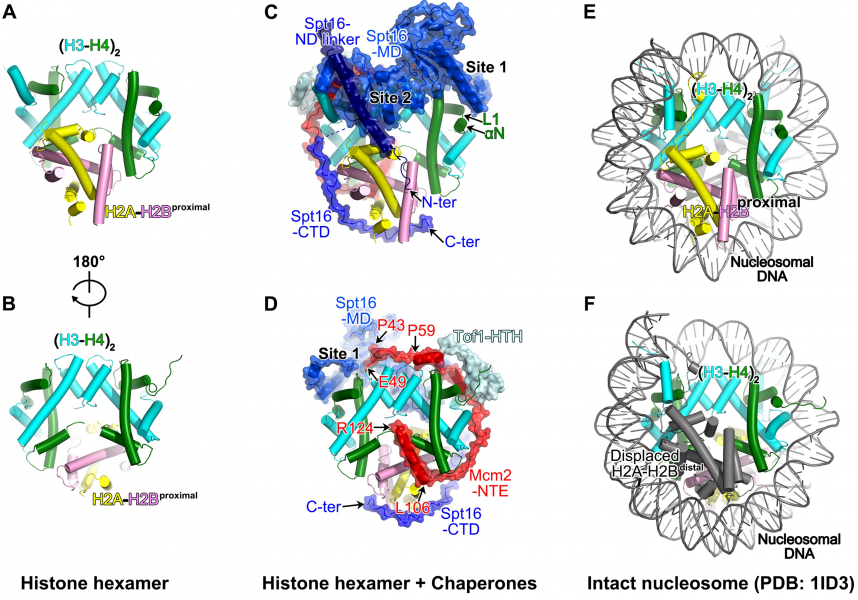
A research team led by Professor Yuanliang ZHAI at the School of Biological Sciences, The University of Hong Kong (HKU) collaborating with Professor Ning GAO and Professor Qing LI from Peking University (PKU), as well as Professor Bik-Kwoon TYE from Cornell University, has recently made a significant breakthrough in understanding how the DNA copying machine helps pass on epigenetic information to maintain gene traits at each cell division...
Read MoreResearchers Develop Artificial Building Blocks of Life
March 10, 2024,
Biology/Biotechnology, Chemistry/Nanotechnology
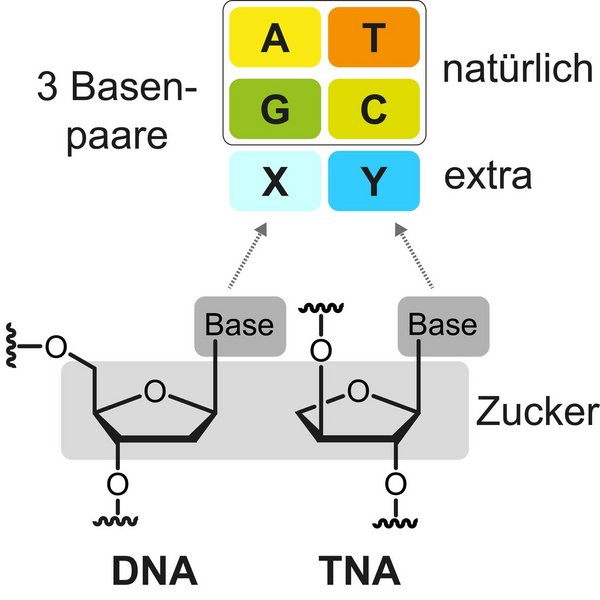
For the first time, scientists have developed artificial nucleotides, the building blocks of DNA, with several additional properties in the laboratory. The DNA carries the genetic information of all living organisms and consists of only four different building blocks, the nucleotides. Nucleotides are composed of three distinctive parts: a sugar molecule, a phosphate group and one of the four nucleobases adenine, thymine, guanine and cytosine. The nucleotides are lined up millions of times and form the DNA double helix, similar to a spiral staircase. Scientists from the UoC’s Department of Chemistry have now shown that the structure of nucleotides can be modified to a great extent in the laboratory.
The researchers developed so-called threofuranosyl nucleic acid (TNA) with a new, ad...
Read More

Recent Comments