Category Biology/Biotechnology

Some benefits of Exercise stem from the Immune System, suggests new study

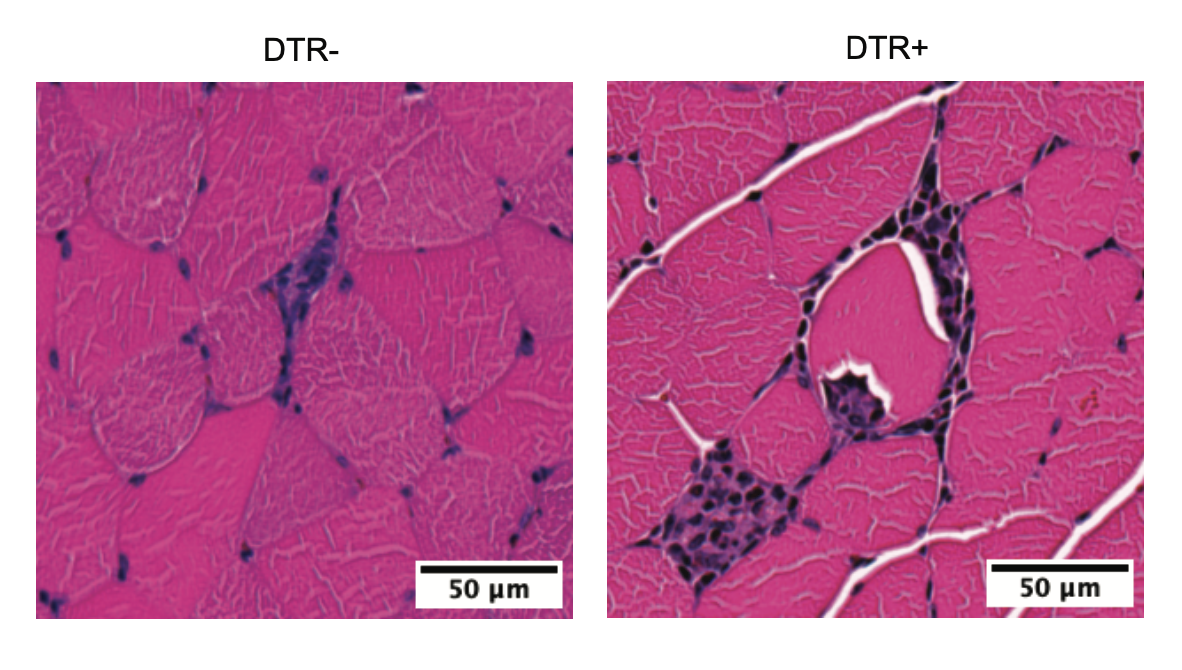
Two images comparing inflammation in hindleg muscles of mice
The hind leg muscles of mice lacking Treg cells (right) showed prominent signs of inflammation after regular exercise, compared with those of mice with intact Tregs (left). The research showed that this uncontrolled inflammation negatively impacted muscle metabolism and function. Images: Kent Langston/Mathis Lab, HMS

The connection between exercise and inflammation has captivated the imagination of researchers ever since an early 20th-century study showed a spike of white cells in the blood of Boston marathon runners following the race.

Now, a new Harvard Medical School study published in Science Immunology may offer a molecular explanation behind this century-old observation.

The study, in mice, suggests that the beneficial effects of exercise may be driven, at least partly, by ...

Read More
While Rare, why do Batteries sometimes Catch Fire and Explode?

While rare, why do batteries sometimes catch fire and explode?
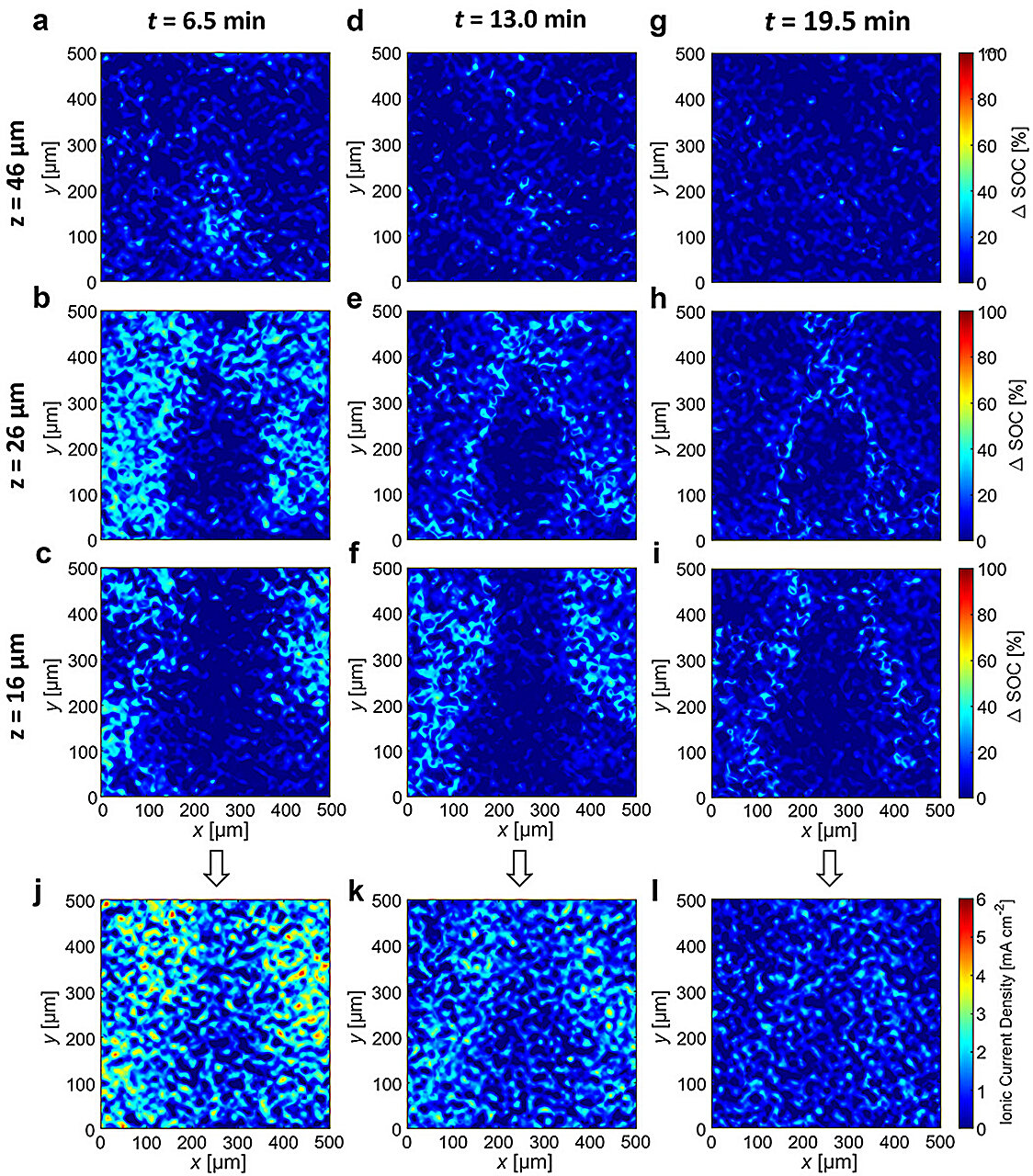
3D microtomography experiments at the Advanced Light Source enabled researchers to pinpoint which particles generated current densities as high as 25 milliamps per centimeter squared inside a resting battery after fast charging. In comparison, the current density required to charge the test battery in 10 minutes was 18 milliamps per centimeter squared. Credit: Nitash Balsara and Alec S. Ho/Berkeley Lab

How likely would an electric vehicle battery self-combust and explode? The chances of that happening are actually pretty slim: Some analysts say that gasoline vehicles are nearly 30 times more likely to catch fire than electric vehicles...

Read More

‘Super Melanin’ Heals Skin Injuries from Sunburn, Chemical Burns

'Super melanin' heals skin injuries from sunburn, chemical burns
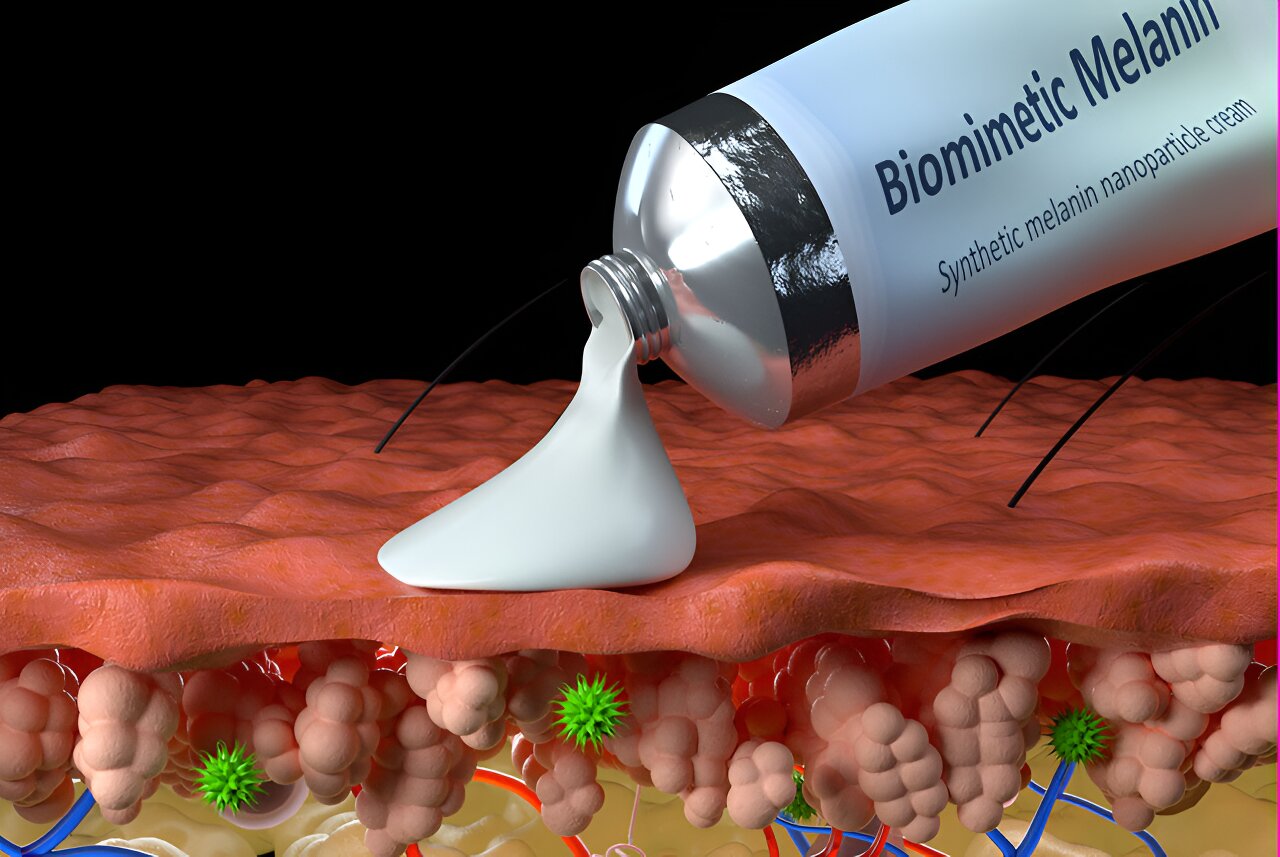
The synthetic melanin is being applied to inflamed skin. Just under the surface of the skin are green free radicals, also known as ROS, or “reactive oxygen species.” Credit: Yu Chen, Northwestern University

Imagine a skin cream that heals damage occurring throughout the day when your skin is exposed to sunlight or environmental toxins. That’s the potential of a synthetic, biomimetic melanin developed by scientists at Northwestern University.

In a new study, the scientists show that their synthetic melanin, mimicking the natural melanin in human skin, can be applied topically to injured skin, where it accelerates wound healing. These effects occur both in the skin itself and systemically in the body.

When applied in a cream, the synthetic melanin can protect skin from sun exposure...

Read More

Scientists use Supercomputers to make Optical Tweezers Safer for Living Cells

New twist on optical tweezers
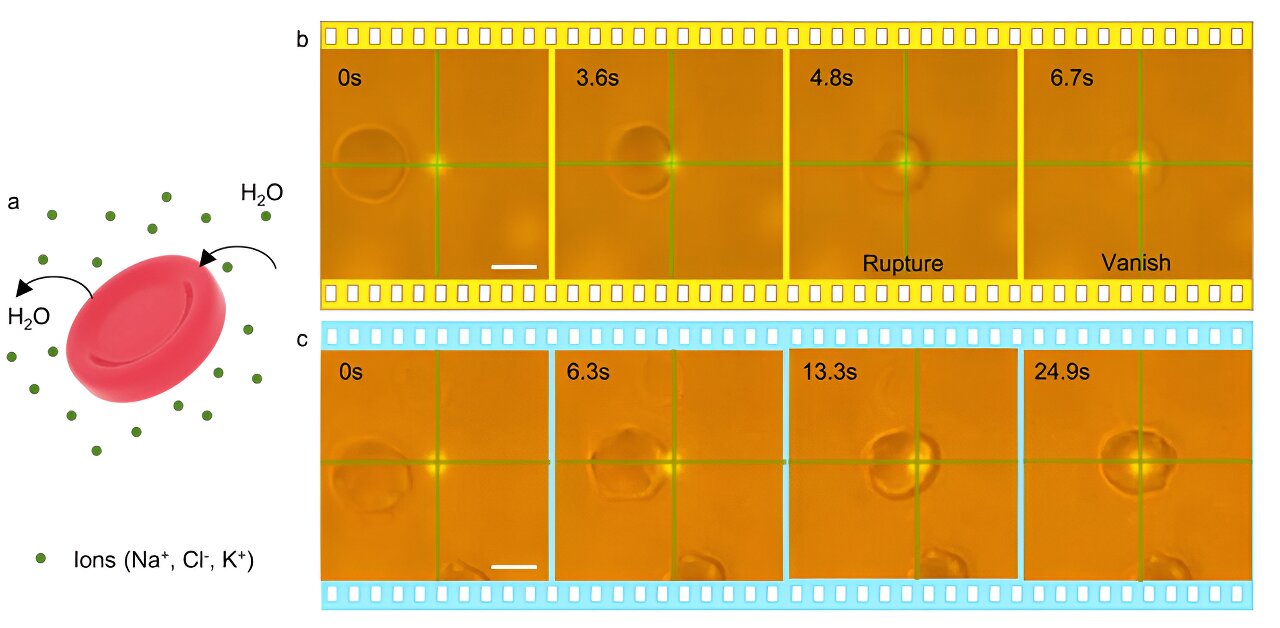
Optical tweezers use laser light to manipulate small particles. A new method has been advanced using Stampede2 supercomputer simulations that makes optical tweezers safer to use for potential biological applications, such as cancer therapy. (a) Image shows schematic of red blood cells in solution. (b) Timelapse showing trapping and thermal rupture at ambient temperature. (c) Timelapse of trapping using new method. No cell rupture is observed. Credit: Nature Communications (2023). DOI: 10.1038/s41467-023-40865-y

Optical tweezers manipulate tiny things like cells and nanoparticles using lasers. While they might sound like tractor beams from science fiction, the fact is their development garnered scientists a Nobel Prize in 2018.

Scientists have now used supercomputers to make optica...

Read More