
Category Biology/Biotechnology

New Hope to Treat and Reverse Osteoarthritis

Credit: Towfiqu Barbhuiya

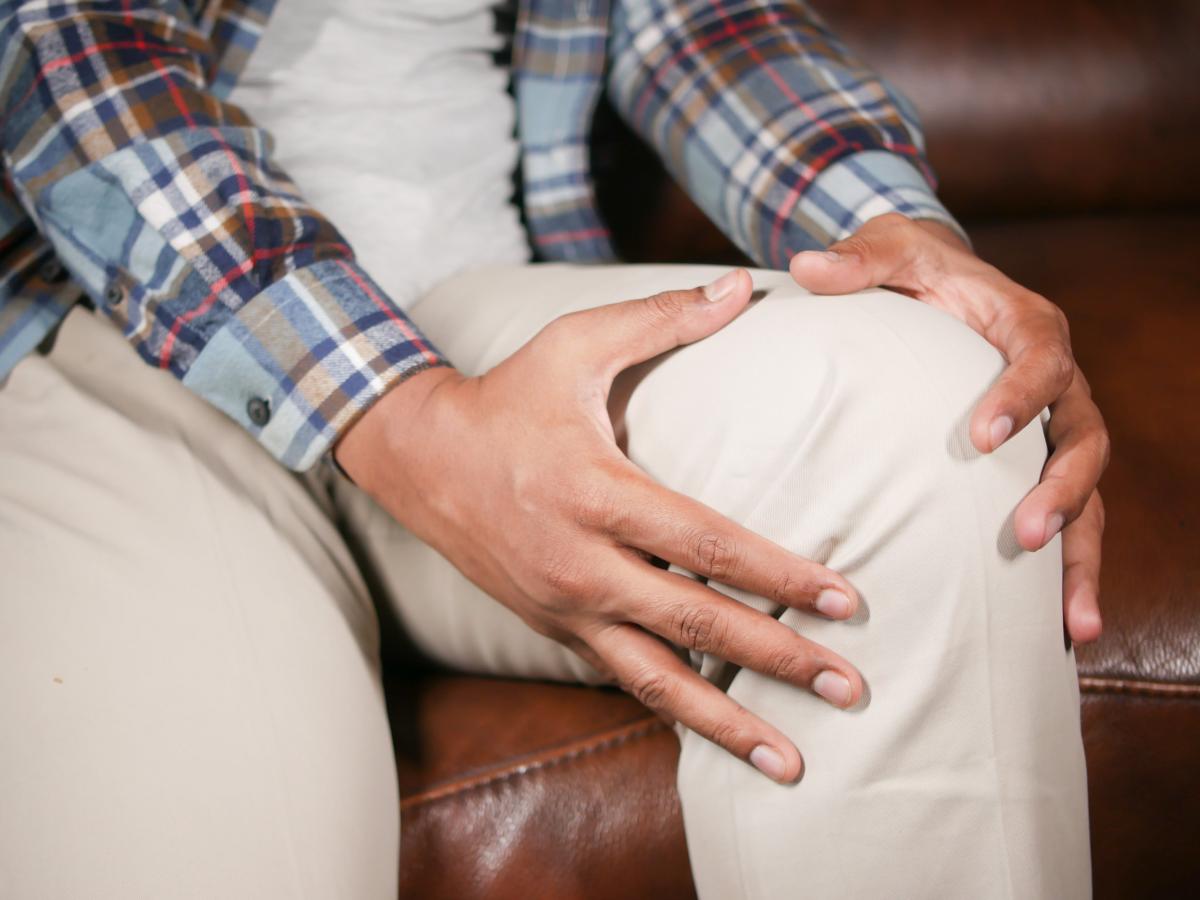
Current osteoarthritis treatment manages symptoms rather than addressing the underlying disease, but a new University of Adelaide study has shown the condition may be treatable and reversible.

Osteoarthritis is the degeneration of cartilage and other tissues in joints and is the most common form of arthritis in Australia, with one in five people over the age of 45 having the condition.

It is a long-term and progressive condition which affects people’s mobility and has historically had no cure. Its treatment cost the Australian health system an estimated $3.9 billion in 2019-20.

Often described as a ‘wear and tear’ condition, factors such as ageing, obesity, injury and family history contribute to the progression of osteoarthritis.

University of Ade...

Read More
Heat-related Cardiovascular Deaths in the U.S. may more than Double within Decades

Graphic showing an excessive heat warning with the temperature at 101 and says it feels likes 110 with the heat index.
copyright American Heart Association 2023

In nationwide projections, elderly and Black adults are most at risk for cardiovascular death due to extreme heat, finds a new study. Cardiovascular deaths from extreme heat in the U.S. may more than double by the middle of the century. Without reductions in greenhouse gas emissions, that number could even triple, according to new research published today in the American Heart Association’s flagship journal Circulation.

“Climate change and its many manifestations will play an increasingly important role on the health of communities around the world in the coming decades, ” said lead study author Sameed Khatana, M.D., M.P.H...

Read More

Cat-ching Criminals with DNA from Pet Hairs

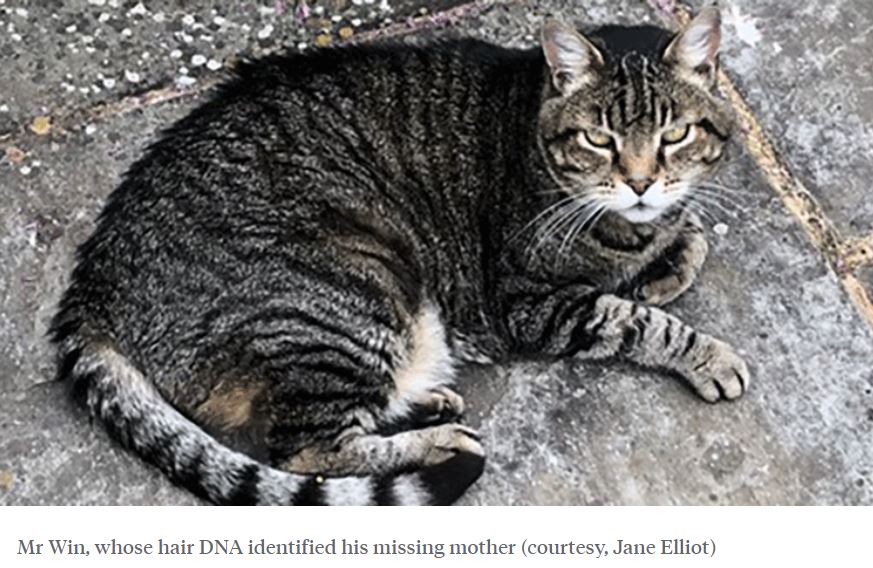
Cat hair could be the purr-fect way to catch criminals, according to researchers from the University of Leicester. They have shown that a single cat hair contains DNA which could link a suspect and a crime-scene, or a victim.

Around 26 per cent of UK householders own a cat and with the average feline shedding thousands of hairs annually, it’s inevitable that once you leave, you’ll bear evidence of the furry resident. This is potentially useful in the forensic investigation of criminal activity.

While a human perpetrator may take pains not to leave their own DNA behind, transferred cat hair contains its own DNA that could provide a link between a suspect and a crime-scene, or a victim.

In a paper published in the journal Forensic Science International: Genetics earlier this mo...

Read More

Researchers solve protein mystery

Figur 1, se bildetekst for mer informasjon
N-terminal acetylation by NatC shields proteins from degradation

Researchers have uncovered that proteins use a common chemical label as a shield to protect them from degradation, which in turn affects motility and aging. Proteins are key to all processes in our cells and understanding their functions and regulation is of major importance.

“For many years, we have known that nearly all human proteins are modified by a specific chemical group, but its functional impact has remained undefined,” says professor Thomas Arnesen at the Department of Biomedicine, University of Bergen.

He explains:

“One of the most common protein modifications in human cells is N-terminal acetylation, which is an addition of a small chemical group (acetyl) at the starting tip (N-terminus) of a protein...

Read More
