
Category Biology/Biotechnology

Obesity leads to a Complex Inflammatory Response inside Fat Tissue, study finds

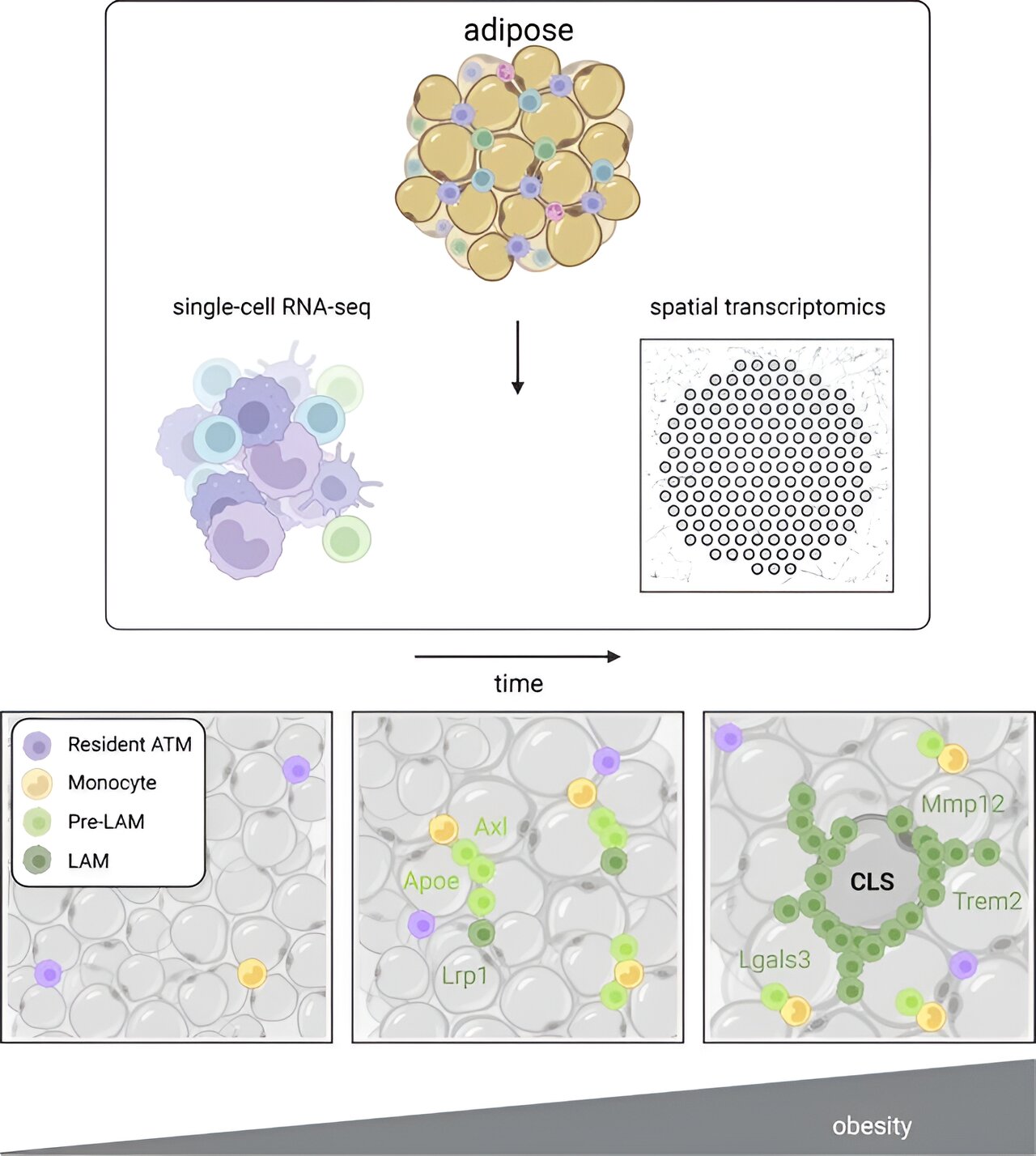
Obesity leads to a complex inflammatory response inside fat tissue
Credit: JCI Insight (2023). DOI: 10.1172/jci.insight.171701

Fat tissue, for as much as it’s been vilified, is an incredibly complex and essential bodily organ involved in energy storage and hormone production, among other functions. Yet, modern lifestyles have led to a worldwide epidemic of obesity, and a corresponding increase in related conditions like type 2 diabetes and cardiovascular disease.

Researchers are attempting to uncover the basics of how fat tissue is structured and, specifically, inflammation associated with obesity, in the hopes of unlocking the connection between the accumulation of fat and poor health outcomes.

A new study from Lindsey Muir, Ph.D., Ph.D...

Read More
Swap Red Meat for Quorn Protein to Improve Heart Health and Reduce Waist Circumference, study finds

Swap red meat for Quorn protein to improve heart health and reduce waist circumference, study finds

People looking to reduce their cholesterol and trim fat from around their waist could try swapping meat for Quorn protein, according to the findings from a new study by Northumbria University, Newcastle, published in the European Journal of Nutrition, which saw positive effects in both areas in just two weeks.

Researchers from the University found that participants who ate Quorn products — the popular mycoprotein-based meat substitute — over just a two-week period, saw a significant 12% drop in ‘bad’ LDL cholesterol and a 7% fall in total cholesterol, compared to those who ate similar products made from red and processed meat. In addition, they also reduced their waist circumference by close to 1cm (0.95cm) on average over the 14 days.

Such a drop in total cholesterol levels cou...

Read More

New Alzheimer’s Disease Pathways identified

New Alzheimer's disease pathways identified
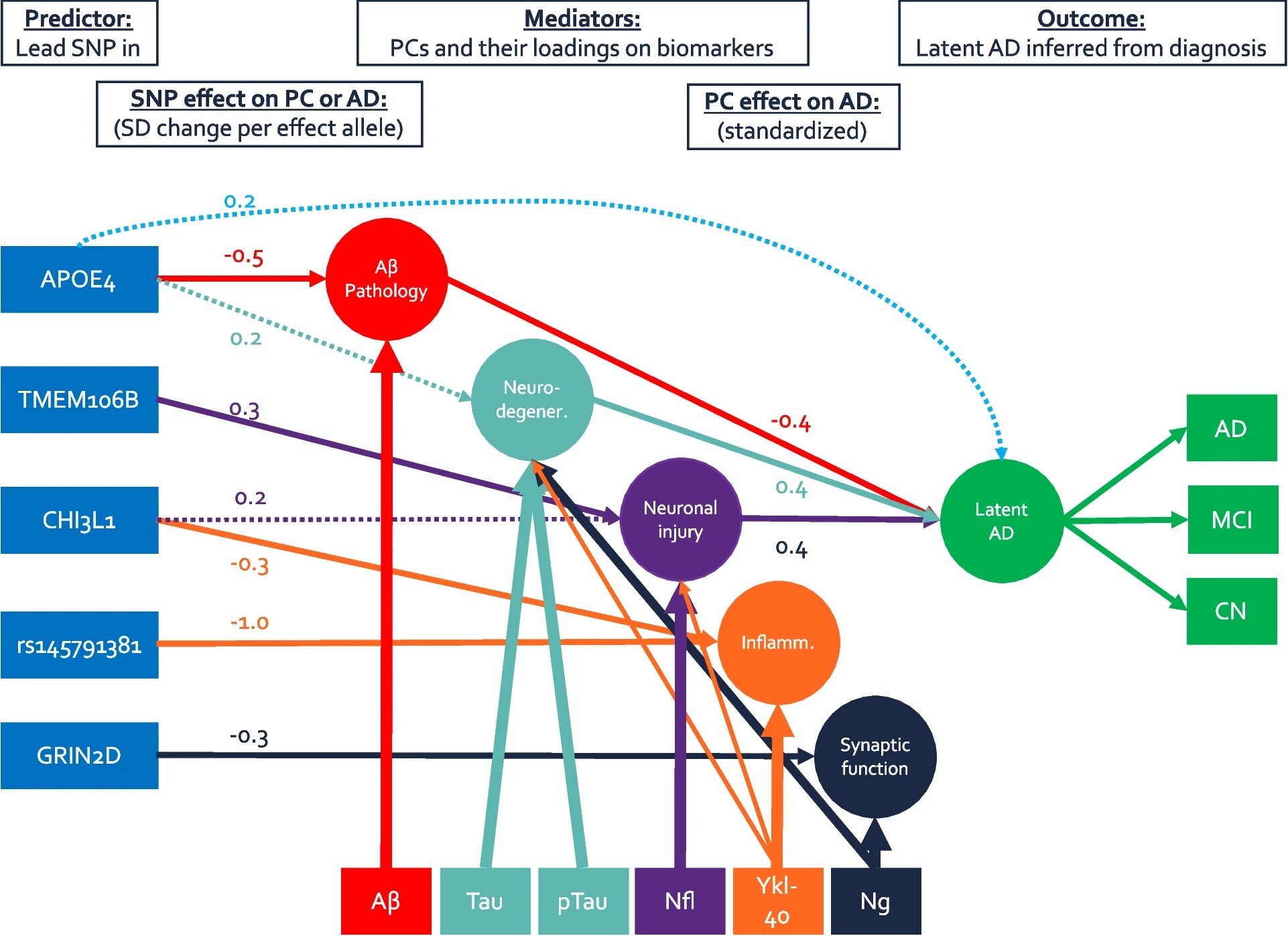
Path model of main findings. This path model summarizes the main-effect mediation model. Circles indicate principal components or latent variables, rectangles represent observed variables. Arrows either indicate PC loadings or structural regression paths. Thicker lines correspond to stronger loadings, solid structural paths are genome-wide significant (p < 5 × 10−8), and dashed lines are suggestive (p < 0.008). Coefficients indicate either the effect of one effect allele on a biomarker PC in SD, or the effect of one SD higher biomarker PC score on latent AD in SD. Note: all paths are adjusted for assessment age, sex, genetic ancestry, and study but are omitted from figure. Credit: Genome Medicine (2023). DOI: 10.1186/s13073-023-01233-z

Dementia, which includes Alzheimer’...

Read More

New Wound Healing Research Produces Full Thickness Human Bioprinted Skin

Wound healing
WFIRM researchers use cells and hydrogels as bioinks to 3D print human skin.
CREDIT
Wake Forest Institute for Regenerative Medicine

A research paper published today in Science Translational Medicine presents a significant breakthrough in the area of skin regeneration and wound healing by researchers at the Wake Forest Institute for Regenerative Medicine (WFIRM). The study, titled “Bioprinted Skin with Multiple Cell Types Promotes Skin Regeneration, Vascularization, and Epidermal Rete Ridge Formation in Full-Thickness Wounds,” shows the successful development of bioprinted skin that accelerate wound healing, support healthy extracellular matrix remodeling, and provide optimism for complete wound recovery. Anthony Atala, M.D., director of WFIRM and Adam Jorgensen, M.D., Ph.D...

Read More
