Category Biology/Biotechnology

Allergy Study on ‘Dirty’ Mice Challenges the Hygiene Hypothesis

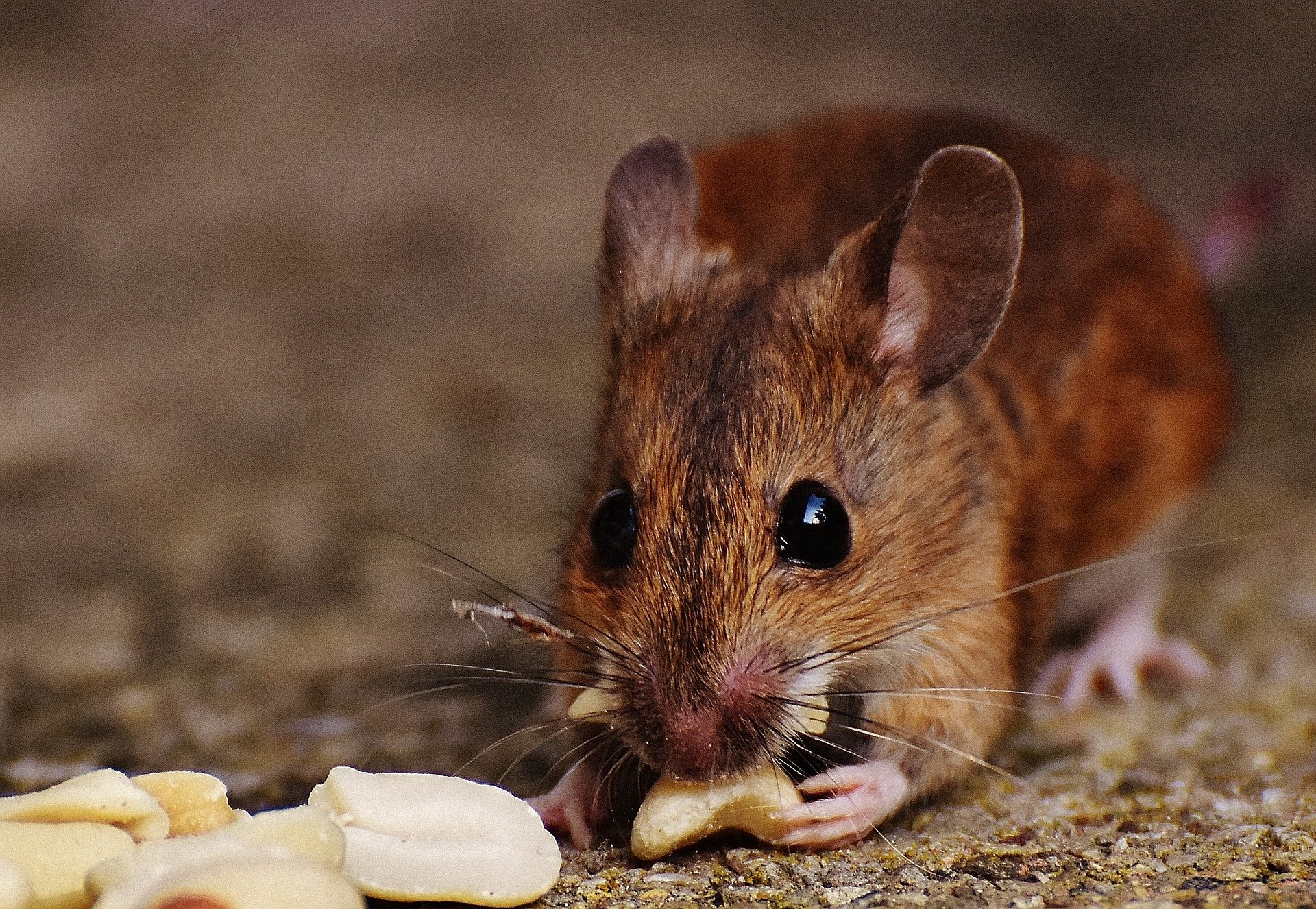
mice
Credit: CC0 Public Domain

The notion that some level of microbial exposure might reduce our risk of developing allergies has arisen over the last few decades and has been termed the hygiene hypothesis.

Now, an article published in Science Immunology by researchers from Karolinska Institutet challenges this hypothesis by showing that mice with high infectious exposures from birth have the same, if not an even greater ability to develop allergic immune responses than “clean” laboratory mice.

How microbes may prevent allergy has been a topic of great interest in recent times. Studies have suggested that certain infections might reduce the production of inflammatory antibodies to allergens and alter the behavior of T cells involved in allergies...

Read More
Experimental Nasal Spray may offer Quick, Easy Remedy for Treating Rapid Heartbeat

Heart chambers illustration
4 chambers of the heart: right atrium, right ventricle, left atrium, left ventricle.
Watch, Learn, and Live Library
copyright American Heart Association

In a new study, etripamil, a rapid- and short-acting investigational medication formulated to be delivered via nasal spray, restored a normal heart rhythm in less than 30 minutes in most users with intermittent rapid heartbeats, sparing them a trip to the emergency room to receive intravenous medication.

A fast-acting medication delivered as a nasal spray may someday allow patients with intermittent rapid heartbeats to treat it themselves as soon as they develop symptoms, according to new research published today in the Journal of the American Heart Association, an open access, peer-reviewed journal of the A...

Read More

Study finds Protein p53 Regulates Learning, Memory and Sociability in Mice

Protein p53 regulates learning, memory, sociability in mice
Researchers at the University of Illinois Urbana-Champaign’s Beckman Institute for Advanced Science and Technology led by Professor Nien-Pei Tsai (right) and Kwan Young Lee have established the protein p53 as critical for regulating sociability, repetitive behavior, and hippocampus-related learning and memory in mice, illuminating the relationship between the protein-coding gene TP53 and neurodevelopmental and psychiatric disorders like autism spectrum disorder. Credit: University of Illinois/L. Brian Stauffer

Researchers have established the protein p53 as critical for regulating sociability, repetitive behavior, and hippocampus-related learning and memory in mice, illuminating the relationship between the protein-coding gene TP53 and neurodevelopmental and psychiatric disorders like ...

Read More

How a Small Strand of RNA is Key to Fighting Cancer

Called let-7, the microRNA governs formation of the cellular memory pool and is a gift from the dawn of animal life. A team of researchers at the University of Massachusetts Amherst has shown that a single, small strand of microRNA, or miRNA, known as let-7, governs the ability of T-cells to recognize and remember tumor cells. This cellular memory is the basis for how vaccines work. Boosting cellular memory to recognize tumors could help improve cancer therapies. The research, published recently in Nature Communications, suggests a new strategy for the next generation of cancer-fighting immunotherapies.

“Imagine that the human body is a fortress,” says Leonid Pobezinsky, associate professor of veterinary and animal sciences at UMass Amherst and the paper’s senior author, along with...

Read More