
A recent study provides new insight into the relat...
Read More


September 23, 2023,
 Biology/Biotechnology, Health/Medical
A recent study provides new insight into the relat...
Read More
September 20, 2023,
Biology/Biotechnology, Health/Medical

New research provides insight about the reason mitochondria — the powerhouse of the cell — pass only from the mother. Scientists have long recognized the fact that mitochondrial DNA, or mtDNA, comes exclusively from egg cells in humans, meaning only the mother contributes the genetic code carried by thousands of mitochondria necessary for energy production in every cell in the body.
Previously, it was believed that paternal mtDNA was eliminated soon after a sperm fuses with an oocyte, or developing egg, during fertilization, possibly through an immune-like search-and-destroy response.
However, the study found that while mature sperm do carry a small number of mitochondria, they lack intact mtDNA.
“We found that each sperm cell ...
Read More
September 19, 2023,
Biology/Biotechnology, Health/Medical
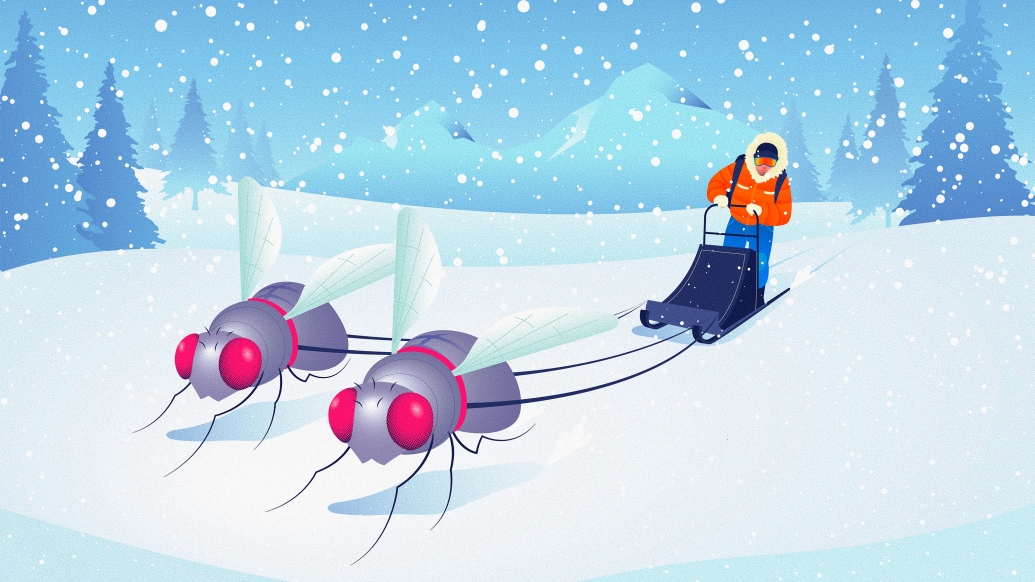
The gene, dubbed Iditarod, seems responsible for exercise’s ability to clean up damaged cells. As the days get shorter and chillier in the northern hemisphere, those who choose to work out in the mornings might find it harder to get up and running. A new study in PNAS identifies a protein that, when missing, makes exercising in the cold that much harder – that is, at least in fruit flies.
A team from University of Michigan Medical School and Wayne State University School of Medicine discovered the protein in flies, which they named Iditarod after the famous long distance dog sled across Alaska, while studying metabolism and the effect of stress on the body.
They were particularly interested in a physiological process called autophagy wherein damaged...
Read More
September 19, 2023,
Biology/Biotechnology, Health/Medical


Recent Comments