Category Biology/Biotechnology

Drug that Targets Scar-like Tissue in Tumors shows Promise for Aggressive Pancreatic Cancer

Findings from the Garvan Institute of Medical Research reveal a new Australian drug that targets scar-like ‘fibrotic’ tissue within tumors shows promise for treating pancreatic ductal adenocarcinoma, one of the most aggressive forms of pancreatic cancer with a five-year survival rate of less than 10%.

The research in mouse models showed that when given in combination with chemotherapy, the drug PXS-5505 increased survival time by more than 35%, compared to chemotherapy treatment alone.

“The preclinical validation of this first-in-class anti-fibrotic drug marks a major milestone in our quest to overcome the significant challenges in treating pancreatic cancer and brings hope to patients and their families,” says Associate Professor Thomas Cox, head of the Matrix & Metastasis Lab ...

Read More
Myocardial Infarction, the number one cause of Sudden Death, may be treated by Modulating the Immune Response

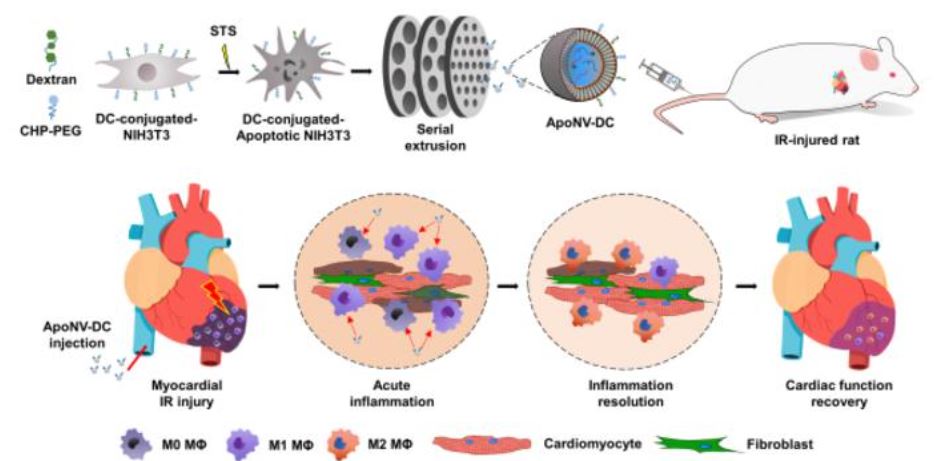
Schematic illustration of treatment of myocardial ischemia-reperfusion (IR) injury with the targeted delivery of ApoNV-DCs.
CREDIT: Korea Institute of Science and Technology

Reduced inflammation at the site of myocardial infarction and improved heart function demonstrated. Novel therapy to modulate immune response with apoptotic cell-derived nanovesicles.

Myocardial infarction, the number one cause of sudden death in adults and the number two cause of death in Korea, is a deadly disease with an initial mortality rate of 30%, and about 5%–10% of patients die even if they are transported to a medical center for treatment.

The number of myocardial infarction patients in Korea has been increasing steeply, from 99,647 in 2017 to 126,342 in 2021, an increase of 26.8% in five years...

Read More

Study shows that Common Supplements may Reduce Natural Hearing Loss

Common supplements might reduce natural hearing loss
Prestin expression in OHCs from control, efavirenz, and efavirenz plus phytosterols-treated mice. Credit: Sodero AO et al., 2023, PLOS Biology, CC-BY 4.0 (creativecommons.org/licenses/by/4.0/)

Researchers report that age-related hearing loss is associated with a decrease of cholesterol in the inner ear.

Experiments published August 24 in the open access journal PLOS Biology show that phytosterols supplements were able to act in place of the lost cholesterol and prevent sensory dysfunction in mice.

Sensory cells in the inner ear called outer hair cells (OHCs) amplify sounds by changing their length. As we age, these cells lose their ability to stretch in response to sound, preventing sound amplification and leading to age-related hearing loss...

Read More

New findings show how the Brain prepares to make Choices during Decision-Making

New findings show how the brain prepares for making choices during decision-making
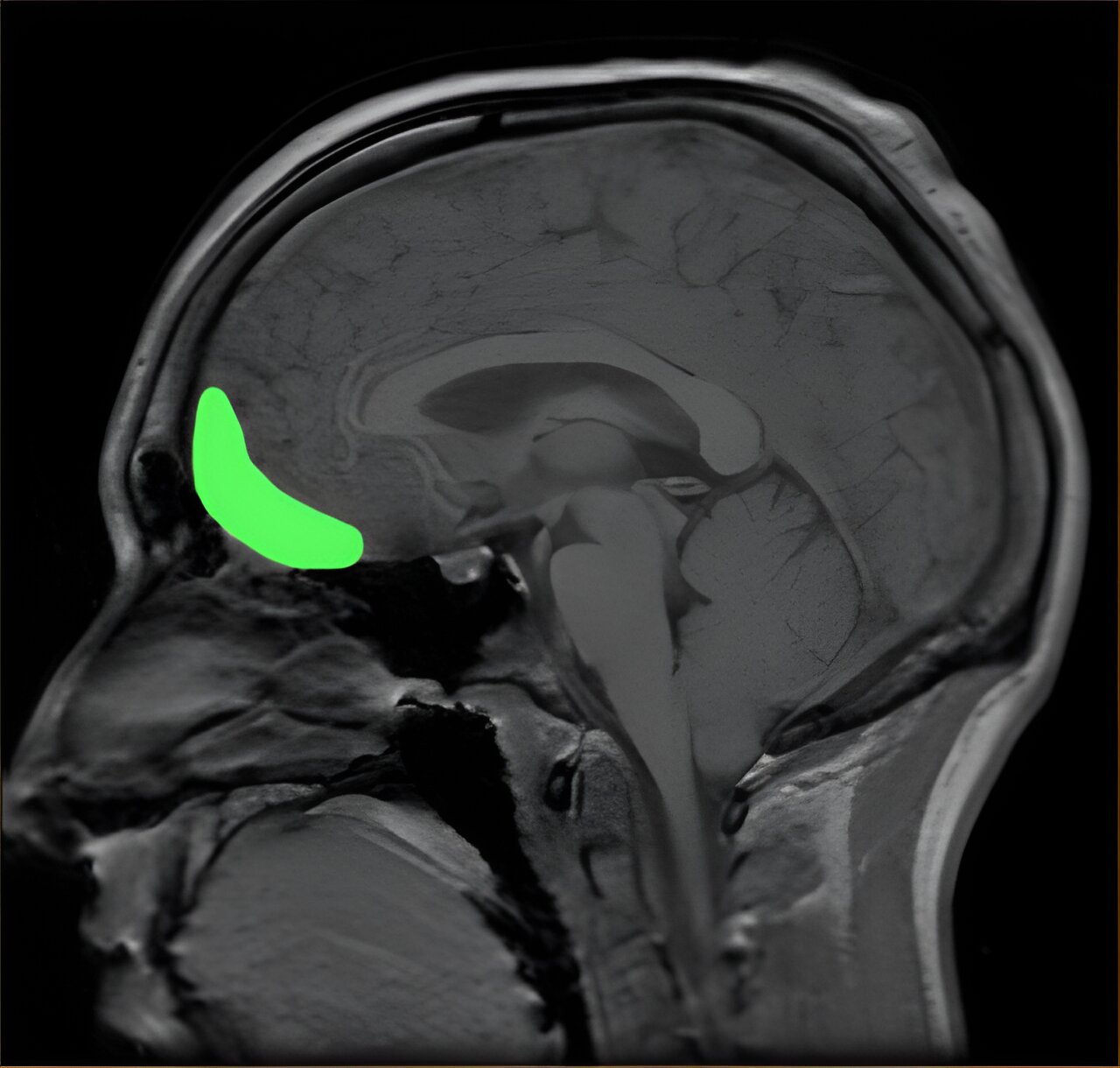
Region highlighted = approximate location of the orbitofrontal cortex. Credit: PaulWicks, Wikimedia

Neuroscientists and psychologists have been trying for decades to better understand how humans make decisions, in the hope to devise more effective interventions to promote healthy and beneficial lifestyle choices. Two brain regions that have been linked to decision-making are the orbitofrontal cortex (OFC) and the anterior cingulate cortex (ACC).

Researchers at University of California, Berkeley (UC Berkeley), have been conducting extensive research focusing on these two areas of the brain and exploring their involvement in decision-making...

Read More