Category Biology/Biotechnology

Deficiency in Certain Brain Proteins shown to Promote Compulsive Behavior

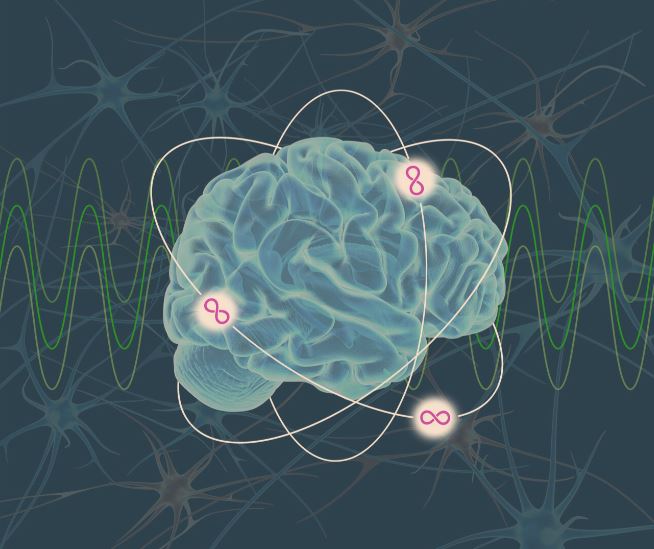
Credit: Claudia Knorr/FMP

Our behavior is controlled through neural circuits in the brain. Molecular disturbances can lead to stereotypical behavior, as seen in neuropsychiatric disorders such as obsessive-compulsive and autism spectrum disorders.

A research team has now demonstrated that the absence of two proteins, Intersectin1 and Intersectin2, in mice leads to disrupted neural signaling and compulsive repetitive behavior, which is also observed in patients with Intersectin 1 mutations. This supports the idea that such defects can cause neuropsychiatric diseases. The study is published in Proceedings of the National Academy of Sciences.

Our brain is essentially our body’s computer...

Read More
Simple Blood Test may Predict Future Heart, Kidney Risk for people with Type 2 Diabetes

blood draw - man
blood draw – man
copyright American Heart Association

An analysis of a clinical trial of more than 2,500 people with Type 2 diabetes and kidney disease found that high levels of four biomarkers are strongly predictive for the development of heart and kidney issues.

A simple blood test may predict the risk of progressive heart and kidney disease in people with Type 2 diabetes and kidney disease, according to new research published today in the American Heart Association’s flagship journal Circulation.

“High levels of certain biomarkers are indicators of heart and kidney complications and may help predict future risk of disease progression,” said lead author James Januzzi, M.D...

Read More

Researchers develop Arrays of Tiny Crystals that deliver Efficient Wireless Energy

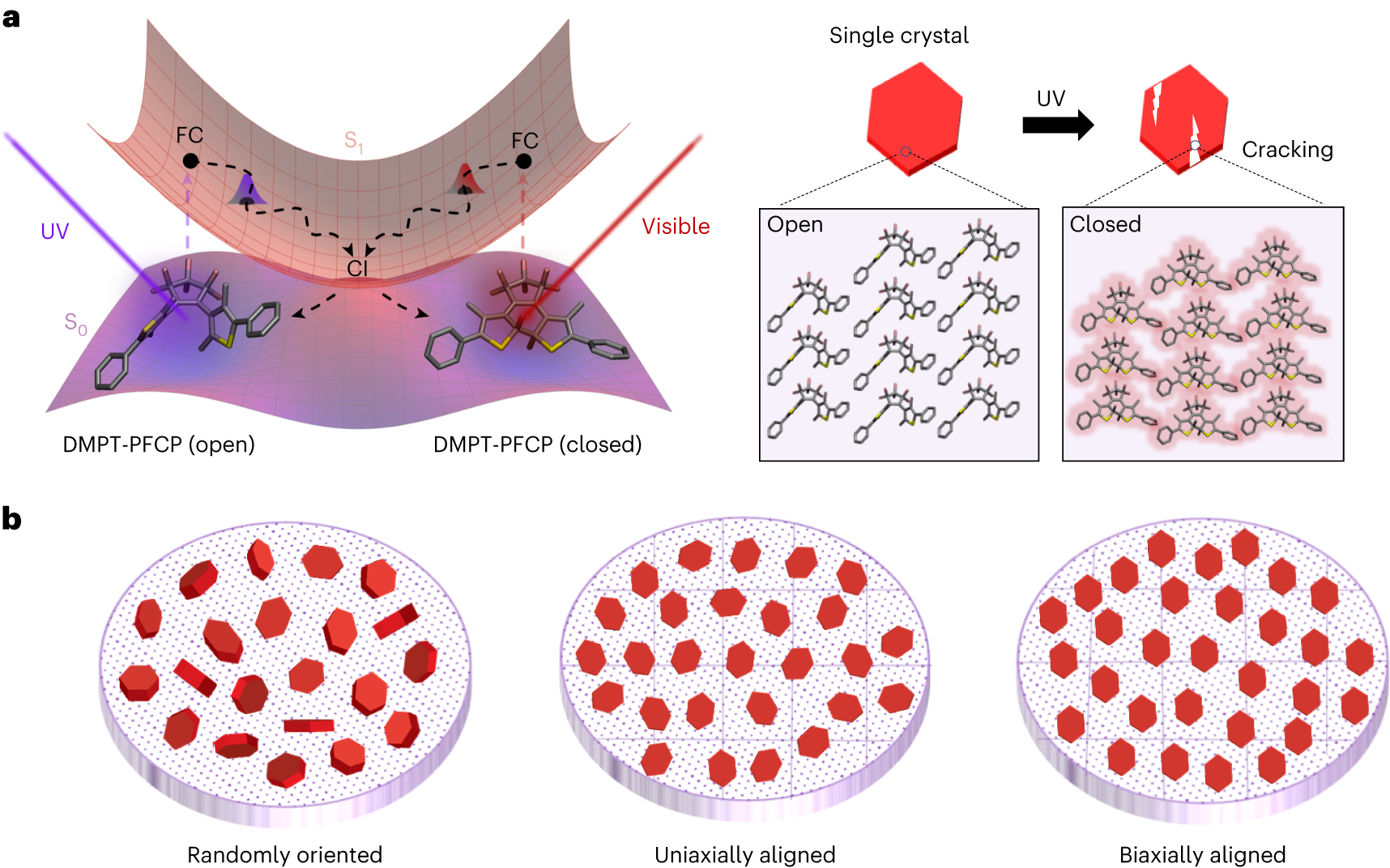
Photo-actuators via epitaxial growth of microcrystal arrays ...
DAE in biaxially aligned microcrystal composites.

Imagine a person on the ground guiding an airborne drone that harnesses its energy from a laser beam, eliminating the need for carrying a bulky onboard battery.

That is the vision of a group of University of Colorado at Boulder scientists from the Hayward Research Group.

In a new study, the Department of Chemical and Biological Engineering researchers have developed a novel and resilient photomechanical material that can transform light energy into mechanical work without heat or electricity, offering innovative possibilities for energy-efficient, wireless and remotely controlled systems. Its wide-ranging potential spans across diverse industries, including robotics, aerospace and biomedical devices.

“We cut out the middle man,...

Read More

How Old are you, Biologically? AI can tell your ‘True’ Age by looking at your Chest

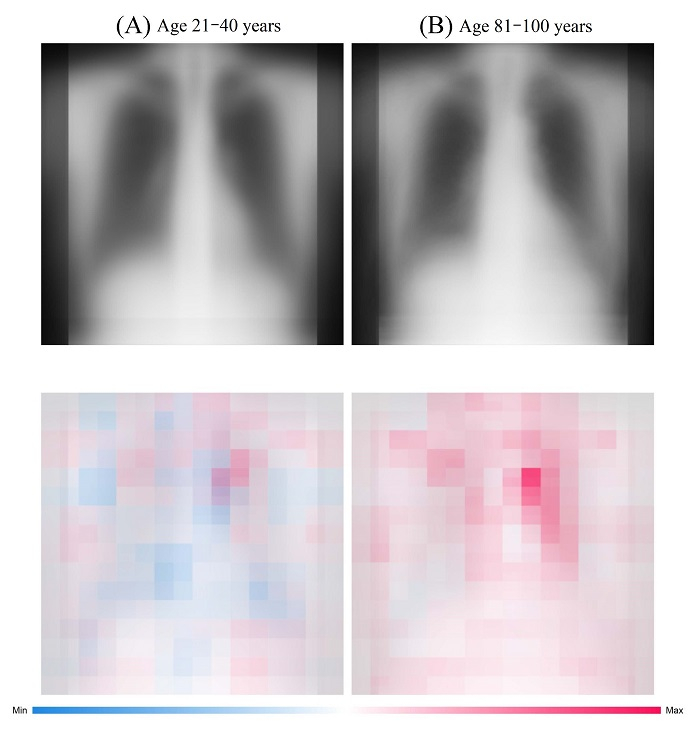
The upper images are the chest radiographs of patients from 21 to 40 years old and from 81 to 100 years old chronologically and the lower images are a visualization of the AI’s focus (both after averaging). Red indicates the points most useful for age determination.

Credit: Yasuhito Mitsuyama, Osaka Metropolitan University

AI-powered model using chest Xrays helps develop biomarkers for aging. Osaka Metropolitan University scientists have developed an AI model that accurately estimates a patient’s age, using chest radiographs of healthy individuals collected from multiple facilities...

Read More