



Category Biology/Biotechnology
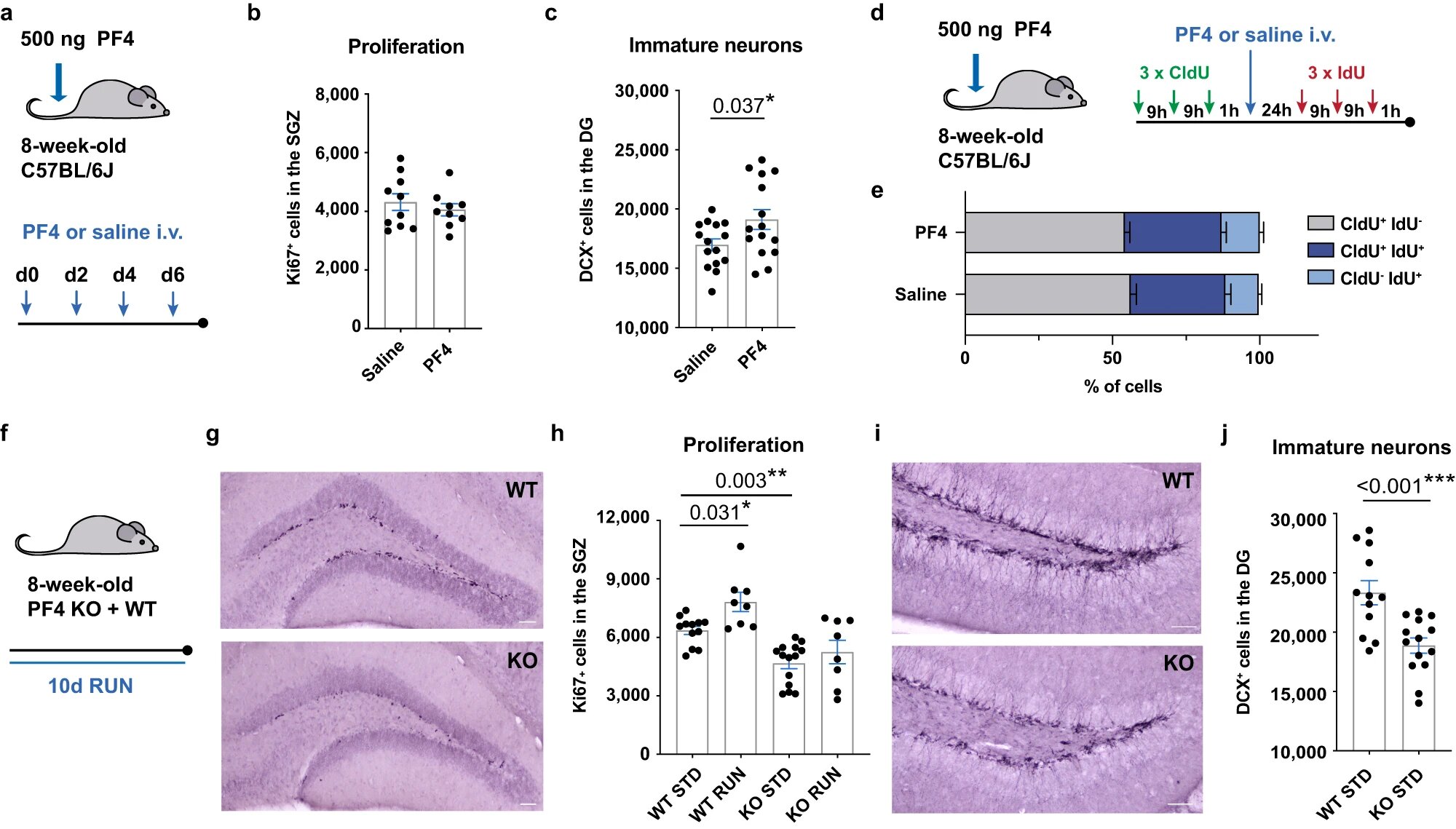
Blood Factor Can Turn Back Time in the Aging Brain
August 17, 2023,
 Biology/Biotechnology, Health/Medical
Older Adults who play Digital Puzzle Games have the Same Memory Abilities as People in their 20s, a new study has shown.
August 16, 2023,
Biology/Biotechnology, Health/Medical
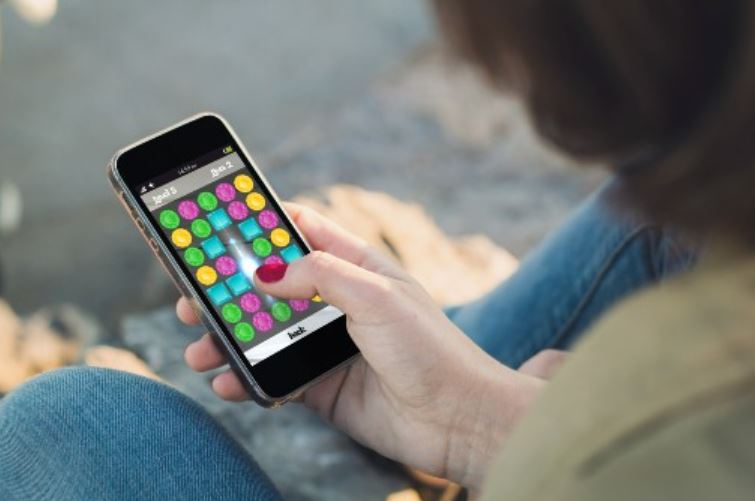
The study, from the University of York, also found that adults aged 60 and over who play digital puzzle games had a greater ability to ignore irrelevant distractions, but older adults who played strategy games did not show the same improvements in memory or concentration.
It is known that as humans age, their mental abilities tend to decrease, particularly the ability to remember a number of things at a single time — known as working memory. Working memory is thought to peak between the ages of 20 and 30 before slowly declining as a person gets older.
Previous research, however, has shown that the way we hold information in the brain changes as we get older, and so the York team looked at whether the ...
Read MoreA new Bio-inspired Solar Leaf design with Increased Harvesting Eficiency
August 16, 2023,
Biology/Biotechnology, Environment/Geology, Physics
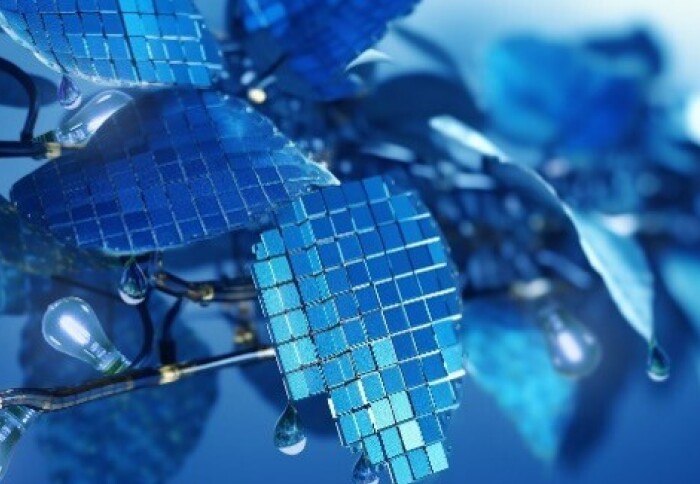
New research suggests a new solar energy design, inspired by nature, may pave the way for future renewable energy technologies.
Photovoltaic solar energy is obtained by converting sunshine into electricity—and researchers from Imperial have developed a new leaf-like design with increased efficiency.
The new photovoltaic leaf (PV-leaf) technology uses low-cost materials and could inspire the next generation of renewable energy technologies.
A series of experiments has demonstrated that a PV-leaf can generate over 10% more electricity compared to conventional solar panels, which lose up to 70% of the incoming solar energy to the environment...
Read MoreSurprise COVID Discovery Helps Explain How Coronaviruses Jump Species
August 15, 2023,
Biology/Biotechnology, Health/Medical

Unexpected new insights into how COVID-19 infects ce...
Read More

Recent Comments