



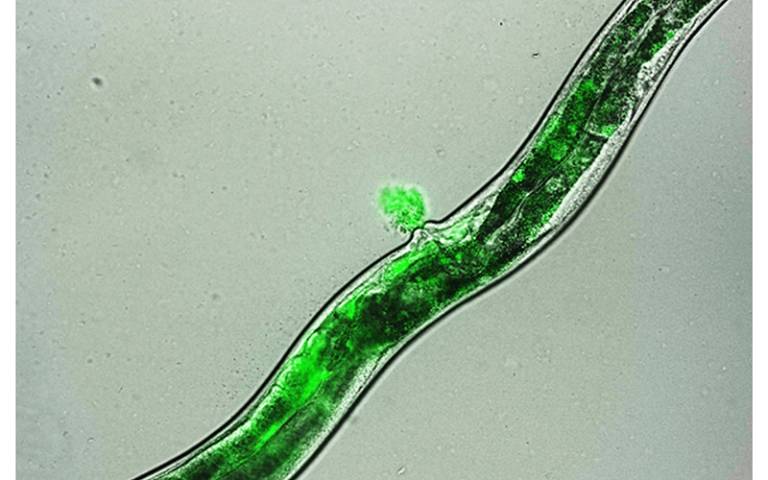
The lifespan of a small roundworm that has been used as a key model organism in ageing research is limited by how it self-sacrifices to feed its young, finds a new study led by UCL researchers.
The authors of the new Nature Communications paper say their findings raise questions about how well insights from the Caenorhabditis elegans (C. elegans) worm can be translated to human ageing advances.
C. elegans is widely used as a laboratory animal, and has been central to ageing research for 40 years thanks to discoveries of genes that can be supressed to produce up to a tenfold increase in the worm’s lifespan.
The UCL research team investigated what drives the lifespan of C...
Read More


Recent Comments