Category Biology/Biotechnology

Comparing Superagers to Typical Older Adults Reveals Significant Lifestyle and Brain Structure Differences

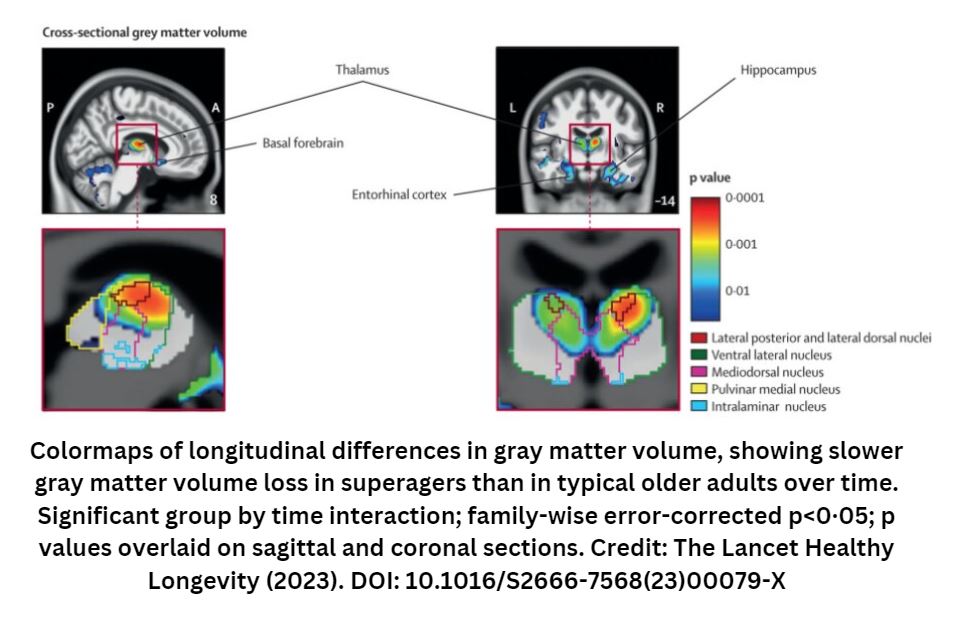
Research led by the Center for Biomedical Technology, Universidad Politécnica de Madrid, Spain, has compared the brains of superagers with those of normal cognitive aged abilities in a paper, “Brain structure and phenotypic profile of superagers compared with age-matched older adults: a longitudinal analysis from the Vallecas Project,” published in The Lancet Healthy Longevity. A Comment published in the same journal issue discusses the work by the team.

Episodic memory, the memory of personal life experiences, is vulnerable to age-related deterioration. Neurodegenerative diseases like Alzheimer’s often lead to severe episodic memory decline.

Some older adults, called superagers, somehow resist age-related memory decline, maintaining episodic memory comparable to healthy indivi...

Read More

Espresso can Prevent Alzheimer’s Protein Clumping in Lab Tests

A cup of espresso.
In an in vitro study, espresso and certain compounds found within it could prevent tau aggregation, which is associated with Alzheimer’s disease.
Alessio Orru/Shutterstock.com

Whether enjoyed on its own or mixed into a latte, Americano or even a martini, espresso provides an ultra-concentrated jolt of caffeine to coffee lovers. But it might do more than just wake you up. Research now published in ACS’ Journal of Agricultural and Food Chemistry shows that, in preliminary in vitro laboratory tests, espresso compounds can inhibit tau protein aggregation — a process that is believed to be involved in the onset of Alzheimer’s disease.

Roughly half of all Americans drink coffee every day, and espresso is a popular way to consume it...

Read More

Scientists find that a Special Omega-3 Lipid might Prevent Fatty Liver disease

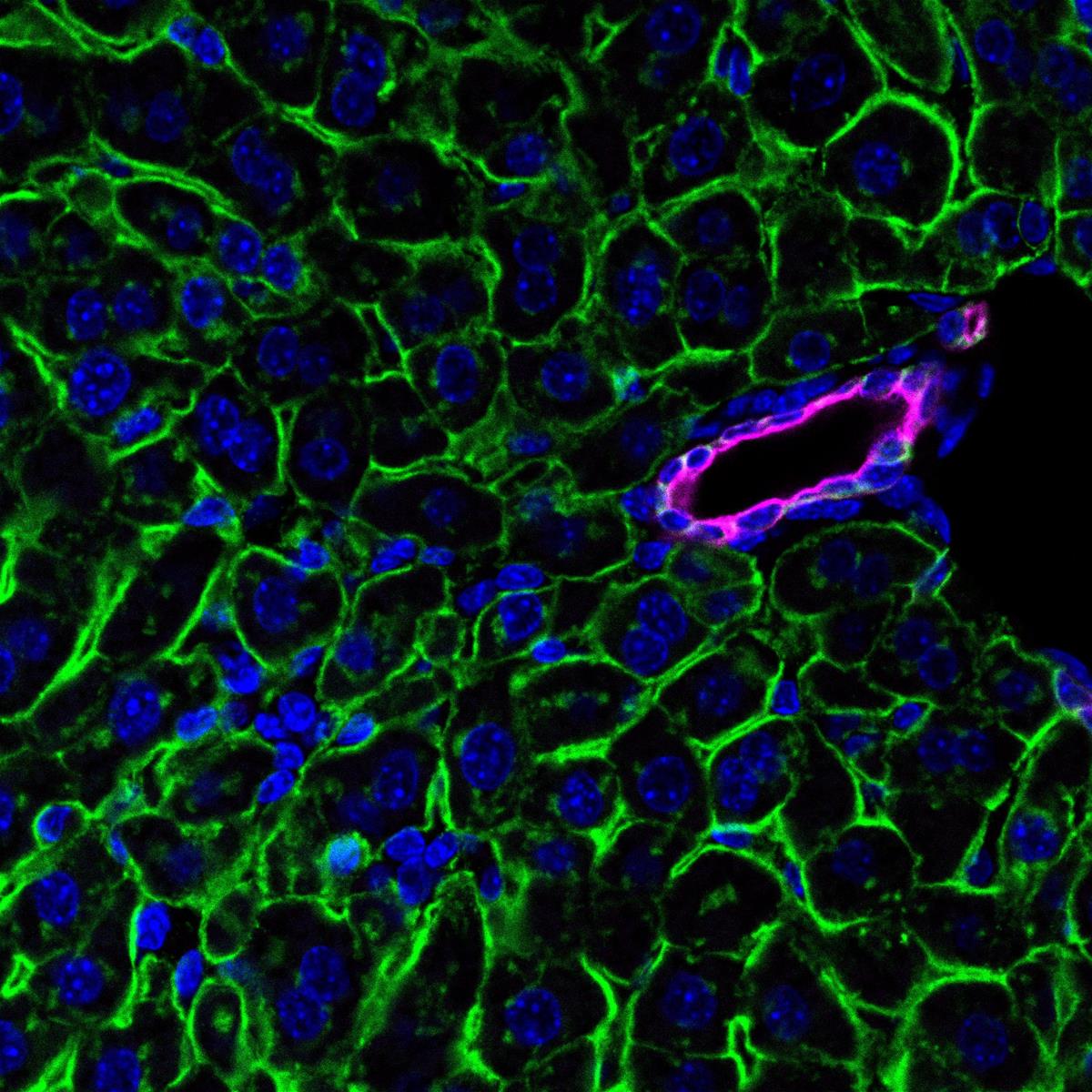
Detection of the lysolipid transporter Mfsd2a in hepatocytes, stained green, in proximity to a bile duct, stained magenta. (Credit:  Chin Cheen Fei)

Long-running research by Duke-NUS Medical School into the omega-3 transporter protein Mfsd2a has shown that it plays a key role in a specific mechanism that prevents the liver from storing too much fat from food. Published in the Journal of Clinical Investigation, this latest study by Duke-NUS and collaborators from Singapore General Hospital (SGH) signals the possibility that a dietary supplement could be developed to help prevent non-alcoholic fatty liver disease (NAFLD).

Eating too much fatty food increases the risk of many health problems, including cardiovascular disease, obesity, diabetes and NAFLD...

Read More

Cell Protein Discovery points to Healthier Aging

two people with grey hair are walking away from the camera along a sandy track with green vegetation either side
Image: Adobe

Researchers at The University of Queensland have found an anti-ageing function in a protein deep within human cells.

Associate Professor Steven Zuryn and Dr Michael Dai at the Queensland Brain Institute have discovered that a protein called ATSF-1 controls a fine balance between the creation of new mitochondria and the repair of damaged mitochondria.

Mitochondria, with their own DNA, produce energy within cells to power biological functions but the toxic by-products of this process contribute to the rate at which the cell ages.

“In conditions of stress, when mitochondrial DNA has been damaged, the ATSF-1 protein prioritises repair which promotes cellular health and longevity,” Dr Zuryn said.

As an analogy, Dr Zuryn likened the relationship to a race car needing...

Read More