Category Biology/Biotechnology

Breaking through Bacterial Barriers in Chronic Treatment-Resistant Wounds

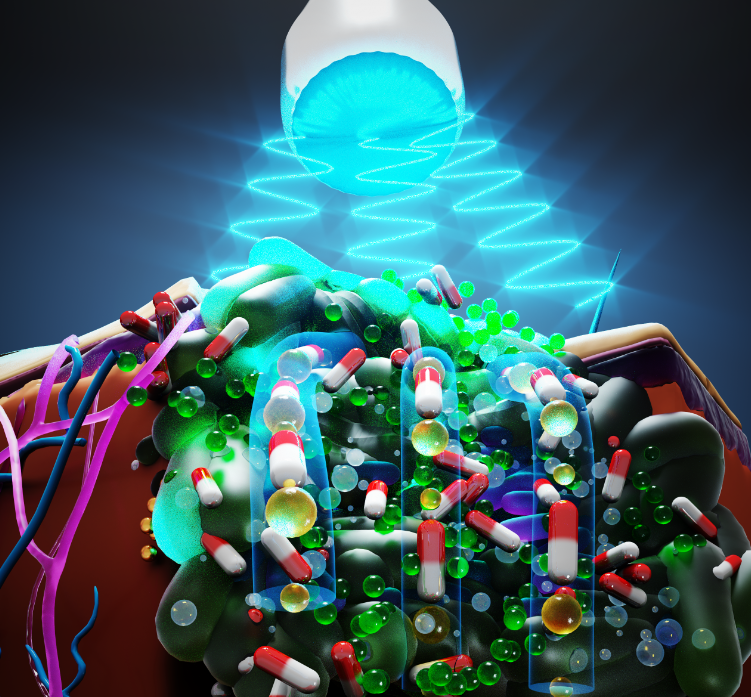
The cover art illustrates ultrasound-mediated drug delivery into a biofilm-infected wound. Illustration by Ella Marushchenko.

Using a new strategy, researchers were able to reduce the challenging MRSA infection in the wounds of diabetic mice by 94%. They were able to completely sterilize the wounds in several of the mice, and the rest had significantly reduced bacterial burden.

Chronic wounds are open sores or injured tissue that fail to heal properly. These types of wounds are notoriously challenging to treat because of bacterial infections like Staphylococcus aureus, or S. aureus. Additionally, bacterial infections that are highly resistant to antibiotics, such as methicillin-resistant S...

Read More

Exercise seems to Protect against Major Brain Hemorrhage

Photo: Getty Images

Regular physical activity and exercise may reduce bleeding in individuals with intracerebral hemorrhage, a University of Gothenburg study shows. The researchers emphasize the importance of physical activity to protect the brain.

The study, published in the journal Stroke and Vascular Neurology, analyzed data on 686 people treated for intracerebral hemorrhage at Sahlgrenska University Hospital in Gothenburg during the years 2014 to 2019.

The results are based on a retrospective analysis. Causal connections cannot be identified, but the findings are nonetheless clear: Those who reported regular physical activity had smaller hemorrhages than those who reported being inactive.

Physically active was defined as engaging in at least light physical activity, such a...

Read More

Study finds Cancer Cells use a New Fuel in Absence of Sugar

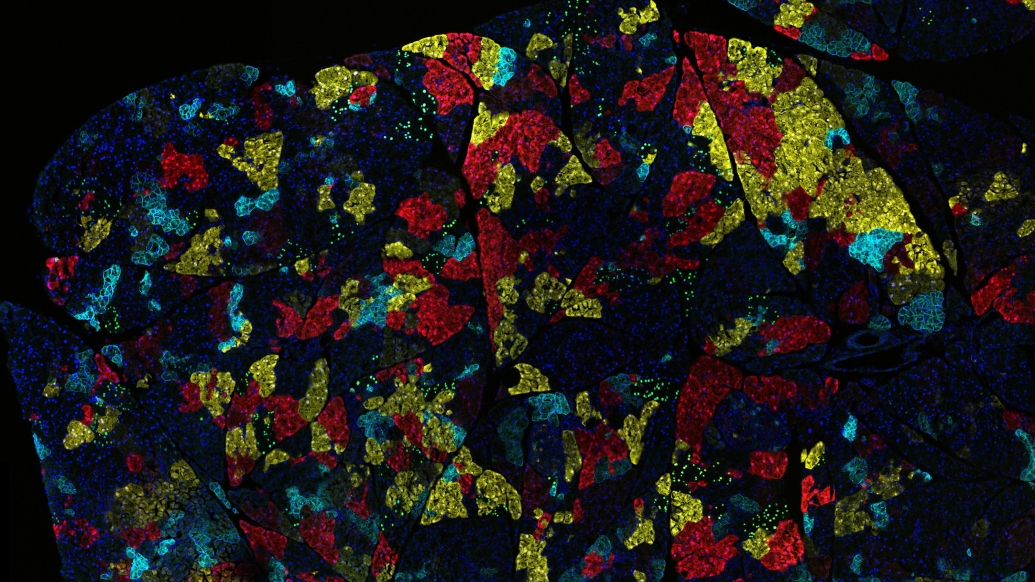
microscopic image close up colorful blue red yellow
NCI – Visuals Online

Researchers at the University of Michigan Rogel Cancer Center have discovered a new nutrient source that pancreatic cancer cells use to grow. The molecule, uridine, offers insight into both biochemical processes and possible therapeutic pathways.

The findings, published in Nature, show that cancer cells can adapt when they don’t have access to glucose. Researchers have previously identified other nutrients that serve as fuel sources for pancreatic cancer; this study adds uridine to the catalog.

Pancreatic tumors have few functioning blood vessels and can’t easily access nutrients that come from the bloodstream, like glucose. Costas Lyssiotis, Ph.D...

Read More

Insight into Brain’s Waste Clearing System may Shed Light on Brain Diseases

focused ultrasound
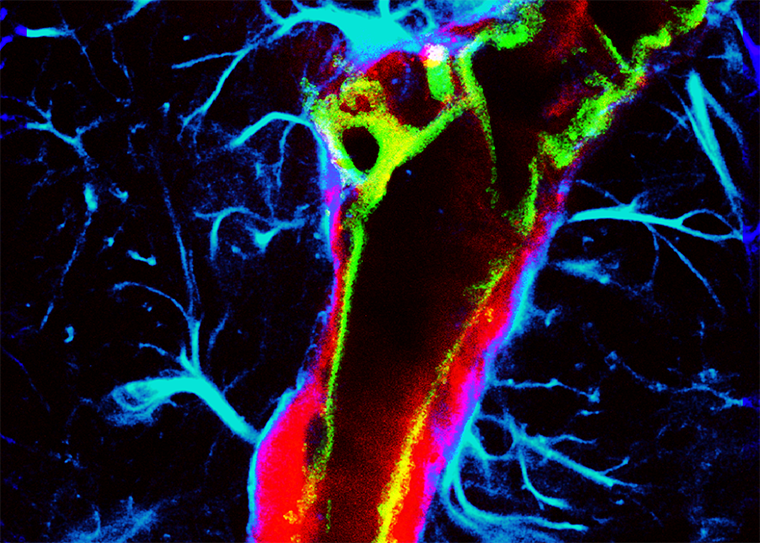
This microscopic image reveals the enhanced glymphatic transport of an intranasally delivered tracer (red), achieved using ultrasound combined with microbubbles. (Credit: Chen Lab)

Like the lymphatic system in the body, the glymphatic system in the brain clears metabolic waste and distributes nutrients and other important compounds. Impairments in this system may contribute to brain diseases, such as neurodegenerative diseases and stroke.

A team of researchers in the McKelvey School of Engineering at Washington University in St. Louis has found a non-invasive and non-pharmaceutical method to influence glymphatic transport using focused ultrasound, opening the opportunity to use the method to further study brain diseases and brain function...

Read More