
Category Biology/Biotechnology

Too Much Insulin can be as Dangerous as Too Little

person taking an insulin shot
Millions of Americans use insulin injections to boost levels and treat diabetes, but too much insulin can be deadly too. Researchers have identified a key player in preventing “insulin shock” that might also prove an effective alternative to the hormone. Agamatrix

Researchers describe a key player in the defense mechanism that safeguards against excessive insulin in the body, which can be as harmful as too little. Just over a century has passed since the discovery of insulin, a time period during which the therapeutic powers of the hormone have broadened and refined. Insulin is an essential treatment for type 1 diabetes and often for type 2 diabetes, as well. Roughly 8.4 million Americans use insulin, according to the American Diabetes Association.

One hundred years of research ...

Read More
New Injectable Cell Therapy could Resolve Osteoarthritis

Wake Forest Institute for Regenerative Medicine (WFIRM) scientists have created a promising injectable cell therapy to treat osteoarthritis that both reduces inflammation and also regenerates articular cartilage. Recently identified by the Food and Drug Administration as a public health crisis, osteoarthritis affects more than 520 million people worldwide who deal with pain and inflammation. Osteoarthritis is typically induced by mechanical or traumatic stress in the joint, leading to damaged cartilage that cannot be repaired naturally.Read More

Common Infections linked to Poorer Cognitive Performance in Middle-Aged and Older Adults

elderly man doing puzzle

Findings, based on an analysis of 575 study participants, support the hypothesis that infections may negatively affect brain health. A new study from a team led by researchers at the Johns Hopkins Bloomberg School of Public Health found that signs of common infections in a sample of middle-aged and older adults were associated with poorer performance on a test of global cognitive function.

The results add to a growing body of evidence suggesting that infections in mid- and late-life can worsen cognitive performance and may increase the risk of Alzheimer’s disease and other dementias.

For their analysis, the researchers examined antibody levels to five common pathogens in 575 adults, ages 41 to 97...

Read More

The Wound Dressing that can Reveal Infection

The wound dressing that can reveal infection
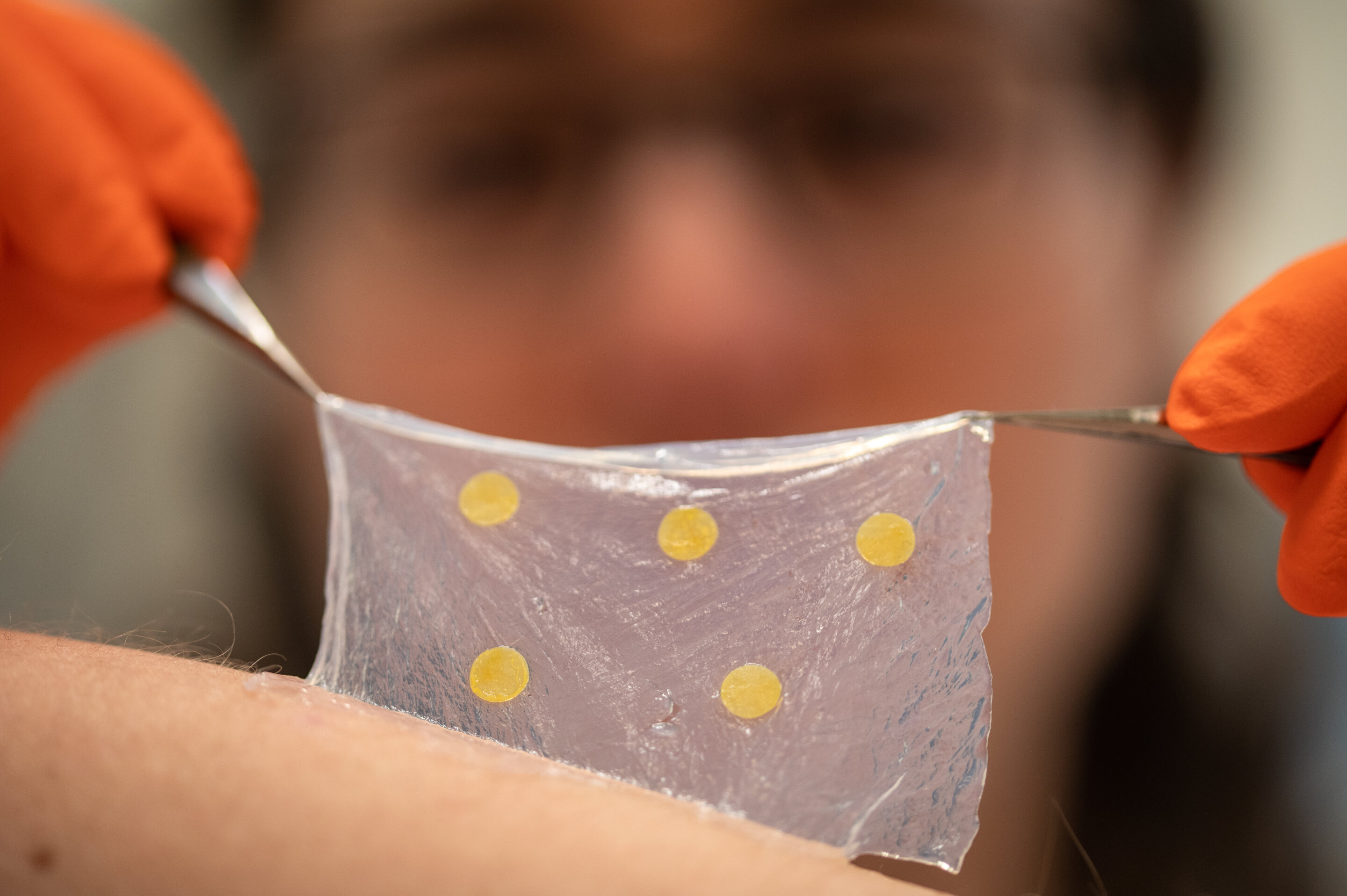
A nanocellulose wound dressing that can reveal early signs of infection through a shift in colour.
CREDIT: Olov Planthaber

A nanocellulose wound dressing that can reveal early signs of infection without interfering with the healing process has been developed by researchers at Linköping University, Sweden. Their study, published in Materials Today Bio, is one further step on the road to a new type of wound care.

The skin is the largest organ of the human body. A wound disrupts the normal function of the skin and can take a long time to heal, be very painful for the patient, and may—in a worst-case scenario—lead to death if not treated correctly. Also, hard-to-heal wounds pose a great burden on society, representing about half of all costs of out-patient care.

In traditional wo...

Read More