Category Biology/Biotechnology

Certain immune cell subtypes drive lupus, study finds

New immune cell suspects in lupus
scRNA-seq reveals altered cellular composition of CD4+ T cells in SLE. Credit: Nature Immunology (2025). DOI: 10.1038/s41590-025-02297-2

Detailed mapping of CD4⁺ T cells from children with systemic lupus erythematosus (SLE) has revealed distinct immune cell subsets with likely roles in disease pathogenesis, according to a study led by Weill Cornell Medicine investigators. The findings are poised to redirect lupus research and open the door to more precise therapies that avoid broad immune suppression.

Published in Nature Immunology, the study used single-cell RNA sequencing to profile CD4⁺ T-cell subtypes from children with SLE and healthy controls...

Read More
Kimchi acts as a ‘precision regulator’ for the immune system, 12-week clinical trial suggests

The world's first elucidation of the immunomodulatory effects of kimchi by the World Institute of Kimchi
Immunoregulatory mechanisms of kimchi. Credit: World Institute of Kimchi (WiKim)

Amid concerns about the simultaneous spread of multiple respiratory diseases, such as colds and influenza, with the change of seasons in current times, a clinical study has scientifically proven that kimchi, a traditional Korean fermented food, enhances the function of human immune cells and maintains the balance of the immune system.

The World Institute of Kimchi has reported the results of a single-cell genetic analysis that suggests that kimchi consumption has immunomodulatory effects, which include the suppression of excessive immune responses while simultaneously enhancing defense functions.

The results of the research are published in npj Science of Food.

This is the first study in the world...

Read More

Epigenetic changes regulate gene expression, but what regulates epigenetics?

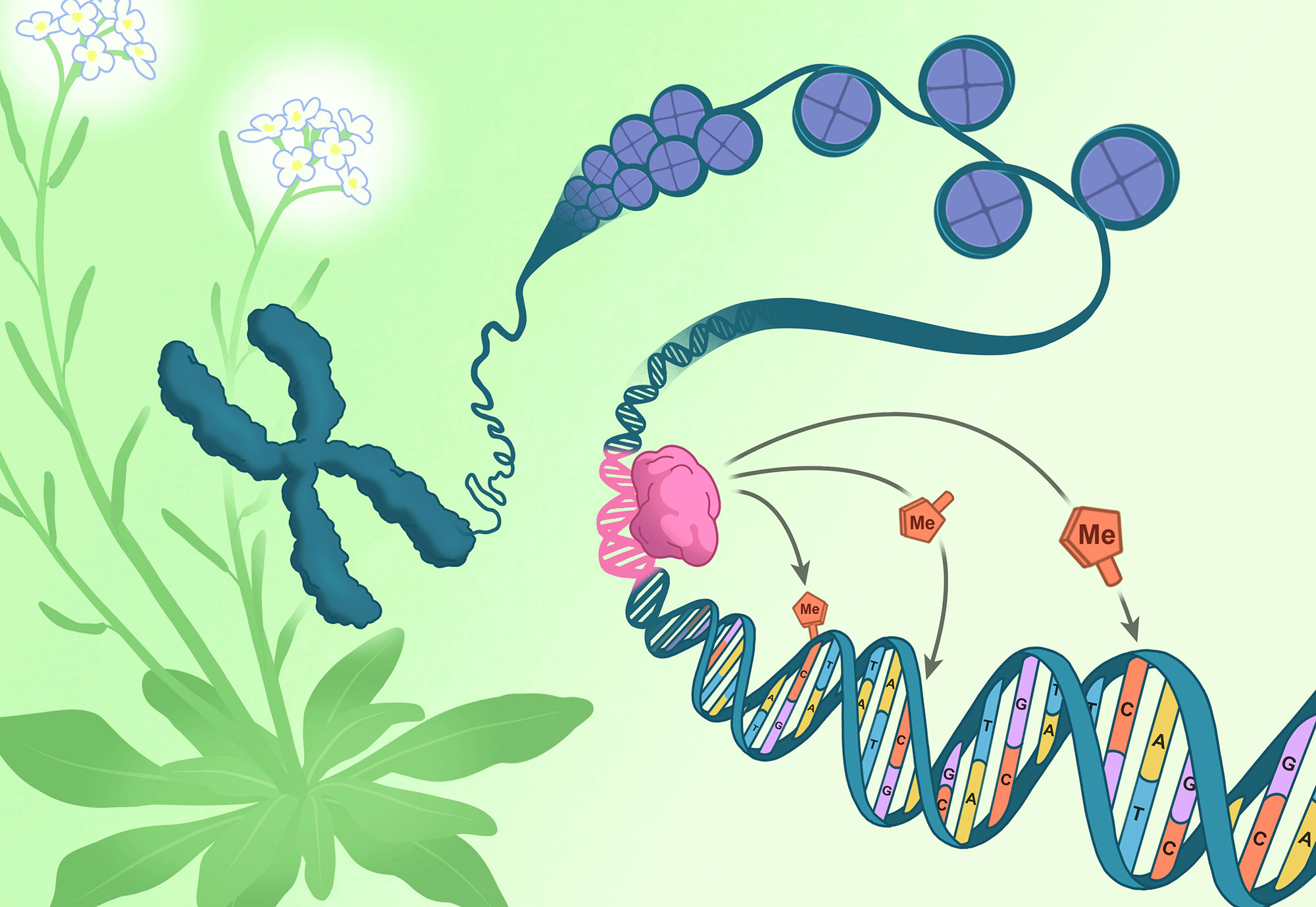
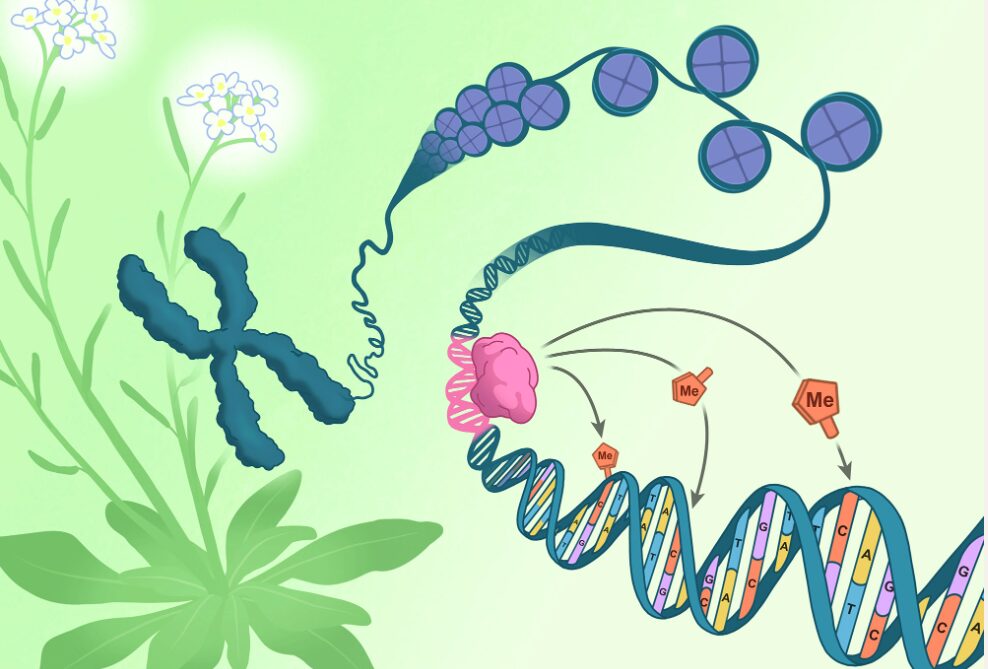
A chromosome pulled from the flowers of Arabidopsis thaliana (green and white) unspools to reveal DNA (blue) coiled around packaging-proteins called histones (purple). The direction of epigenetic changes by genetic features begins as the RIM transcription factor (pink) docks on a corresponding DNA sequence (pink). Once docked, the RIM transcription factor directs methylation machinery to tack methyl groups (orange) onto specific nearby cytosines (orange).
Click here for a high-resolution image.
Credit: Salk Institute

All the cells in an organism have the exact same genetic sequence. What differs across cell types is their epigenetics—meticulously placed chemical tags that influence which genes are expressed in each cell...

Read More

Engineered immune cells target and destroy glioblastoma in animal models

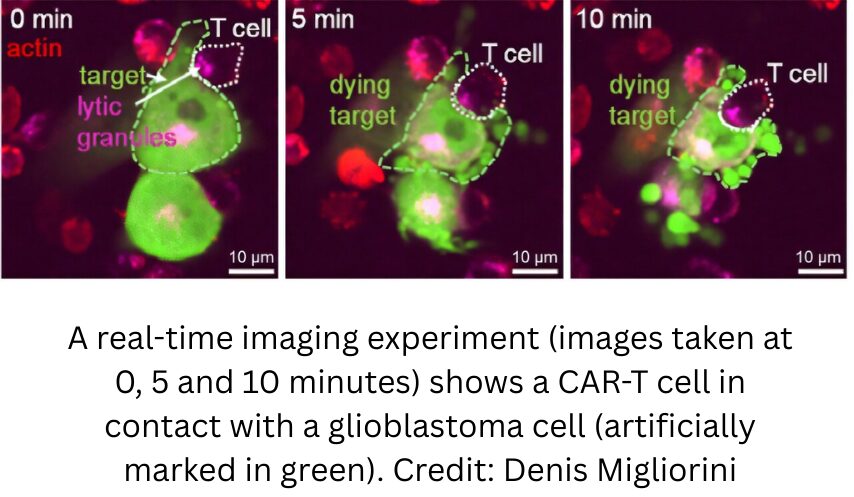
With a five-year survival rate of less than 5%, glioblastoma is one of the most aggressive types of brain cancer. Until now, all available treatments, including immunotherapy—which involves strengthening the immune system to fight cancer—have proved disappointing. CAR-T cells are genetically modified immune cells manufactured in the laboratory and designed to identify and destroy cancer cells.

By targeting a protein present in the tumor environment, a team from the University of Geneva (UNIGE) and the Geneva University Hospital (HUG) has developed CAR-T cells capable of destroying glioblastoma cells. Their efficacy in an animal model of the disease paves the way for clinical trials in humans.

The results are published in the Journal for ImmunoTherapy of Cancer.

Glioblasto...

Read More