
Category Biology/Biotechnology

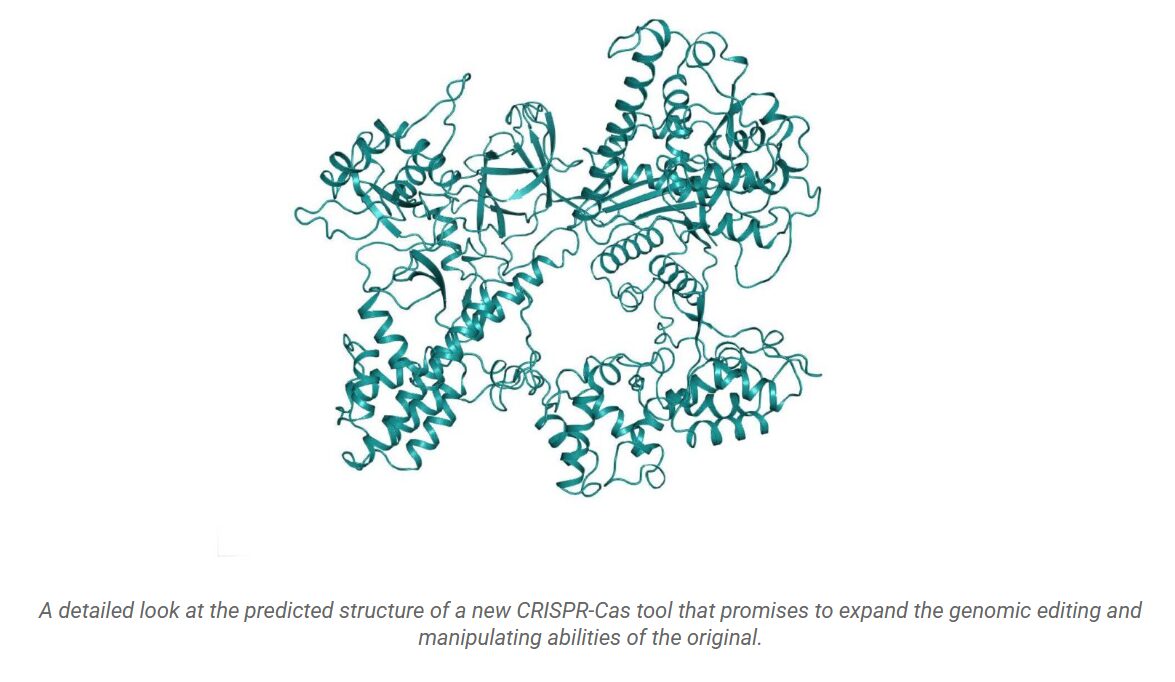
New CRISPRs expand upon the original’s abilities

Researchers at Duke University and North Carolina State University have discovered a handful of new CRISPR-Cas systems that could add to the capabilities of the already transformational gene editing and DNA manipulation toolbox.

Of the new recruits, one system from bacteria commonly found in dairy cows shows particular promise for human health. Its efficiency is on par with the original and most widely used CRISPR-Cas system, but its small size allows it to be more easily packaged for delivery to human cells. It also can target specific gene sequences that other systems cannot, and human immune systems are unlikely to have been exposed to it.

The results appear online March 14 in the Proceedings of the National Academy of Sciences (PNAS).

CRISPR-Cas9 burst onto the broader sc...

Read More
Wrong on skin care: keratinocytes, not fibroblasts, make collagen for healthy skin

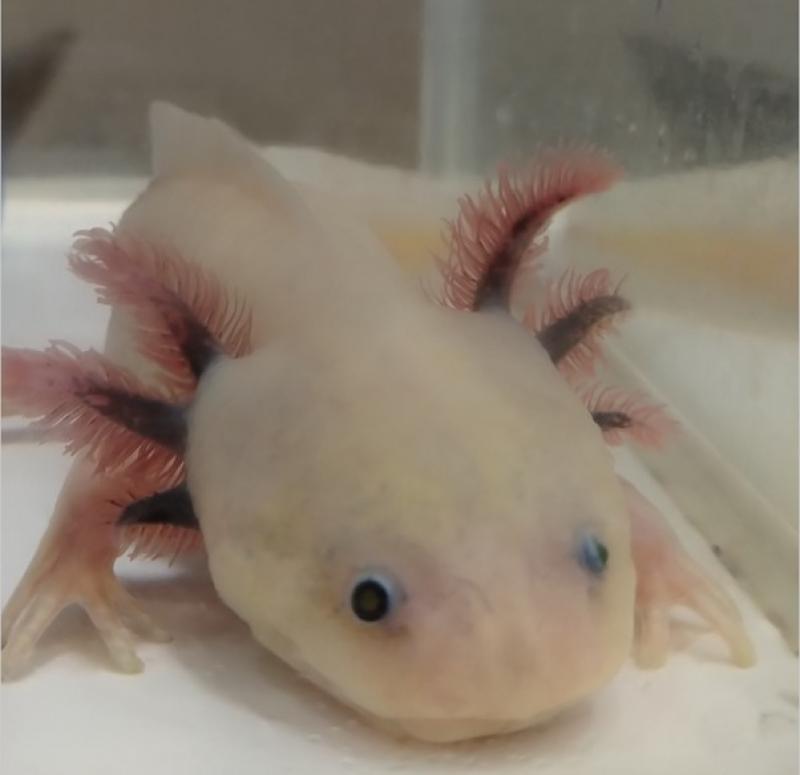
Axolotl, an amphibian with a natural ‘glass skin’

Keratinocytes produce collagen fibers, while deeper fibroblasts later modify the collagen fibers initially formed by keratinocytes. Challenging the long-standing belief that fibroblasts produce skin collagen, researchers at Okayama University have investigated collagen formation in the ‘glass-skinned’ amphibian axolotl and other vertebrates. They discovered that keratinocytes, the surface cells of the skin, are responsible for producing collagen, which is then transferred deeper to form the dermis. Later, fibroblasts migrate into this collagen layer, modifying and reinforcing its structure.

The skin consists of two primary layers...

Read More

NASA continues BioNutrients space-fermented food research

NASA astronaut and Expedition 72 Commander Suni Williams displays a set of BioNutrients production packs during an experiment aboard the International Space Station. The experiment uses engineered yeast to produce nutrients and vitamins to support future astronaut health.
NASA

NASA’s BioNutrients series of experiments is testing ways to use microorganisms to make nutrients that will be needed for human health during future long-duration deep space exploration missions.

Some vital nutrients lack the shelf-life needed to span multi-year human missions, such as a mission to Mars, and may need to be produced in space to support astronaut health. To meet this need, the BioNutrients project uses a biomanufacturing approach similar to making familiar fermented foods, such as yogurt...

Read More

Blood test shows promise for early detection of dementia

Research findings focus on people with a sleep disorder, but could have broader implications. For people with a certain sleep disorder, a simple blood test could help predict the development of dementia years before symptoms appear, a new study indicates.

Idiopathic REM sleep behaviour disorder (iRBD) causes people to physically act out their dreams while sleeping.

The disorder is also associated with a very high risk of Parkinson’s disease and a related condition called Dementia with Lewy Bodies.

This is a form of dementia that often causes memory and cognitive loss, as well as vivid visual hallucinations and movement difficulties similar to Parkinson’s.

McGill University researchers have discovered that a blood test, originally developed to detect Alzheimer’s disease, co...

Read More
