
Category Environment/Geology

Harvesting Light to Grow Food and Clean Energy Together

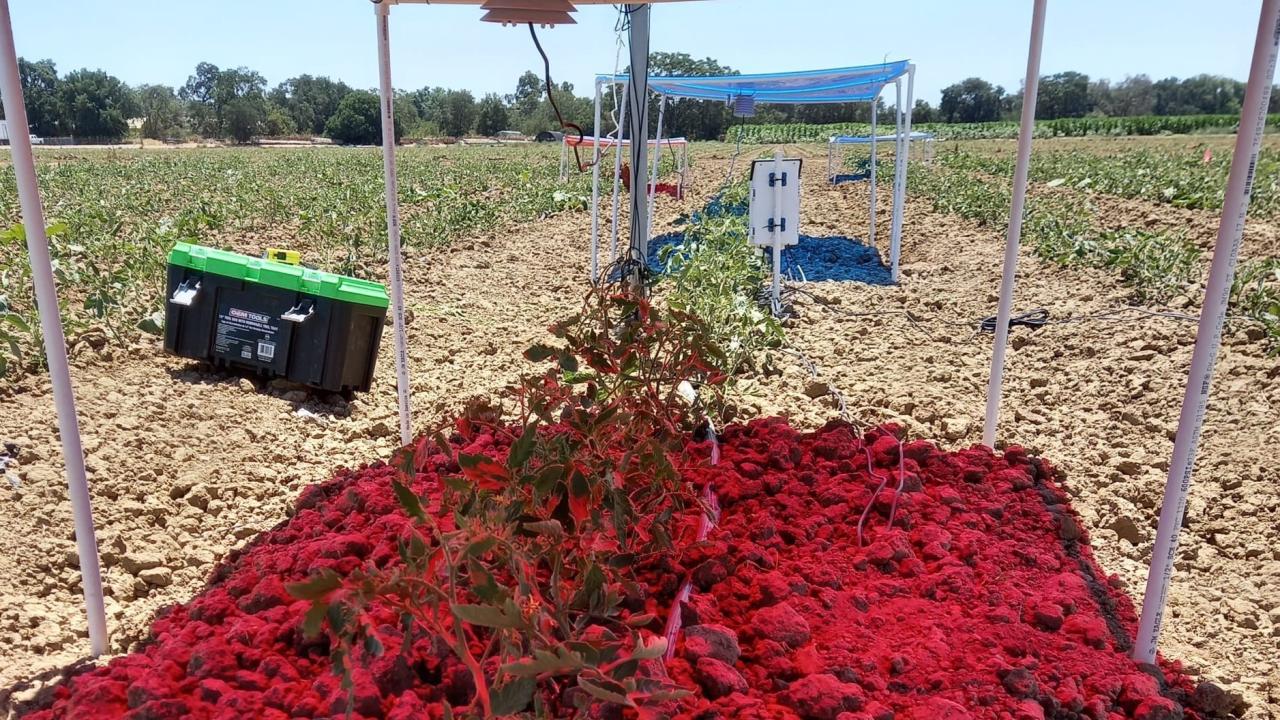
solar filters emit a red light over tomato plants in an outdoor research field at UC Davis
Solar filters emit a red light over tomato plants growing in a research field at UC Davis in 2022. The work further tests the findings of a UC Davis study showing plants in agrivoltaic systems respond best to the red spectrum of light while blue light is better used for energy production. (Andre Daccache/UC Davis)

Different light spectra serve different needs for agrivoltaics. People are increasingly trying to grow both food and clean energy on the same land to help meet the challenges of climate change, drought and a growing global population that just topped 8 billion. This effort includes agrivoltaics, in which crops are grown under the shade of solar panels, ideally with less water.

Now scientists from the University of California, Davis, are investigating how to better harvest ...

Read More
Impact that Killed the Dinosaurs Triggered ‘Mega-Earthquake’ that Lasted Weeks to Months

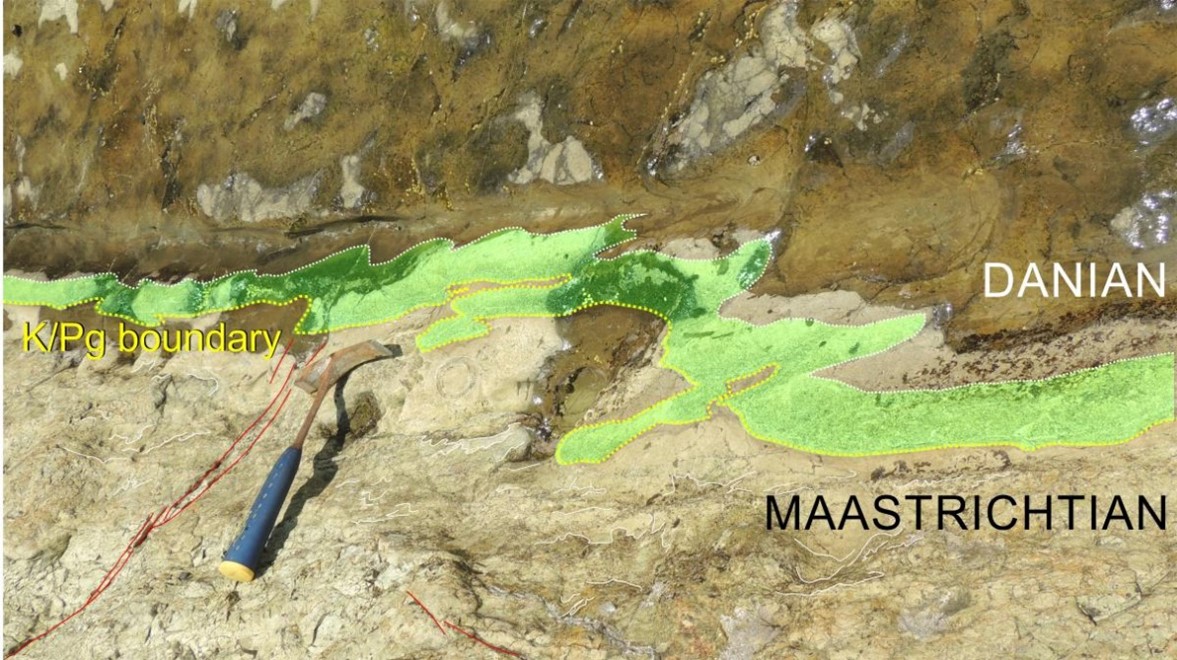
Deformed spherule-rich layer at Gorgonilla Island (Colombia) showing that seismic activity persisted for weeks or months after impact. Credit: Hermann Bermúdez. Click on the image for a larger version.

66 million years ago, a 10-kilometer asteroid hit Earth, triggering the extinction of the dinosaurs. New evidence suggests that the Chicxulub impact also triggered an earthquake so massive that it shook the planet for weeks to months after the collision. The amount of energy released in this mega-earthquake is estimated at 1023 joules, which is about 50,000 times more energy than was released in the magnitude 9.1 Sumatra earthquake in 2004.

Hermann Bermúdez will present evidence of this “mega-earthquake” at the upcoming GSA Connects meeting in Denver this Sunday, 9 October...

Read More

Propane – a Solution for more Sustainable Air Conditioning

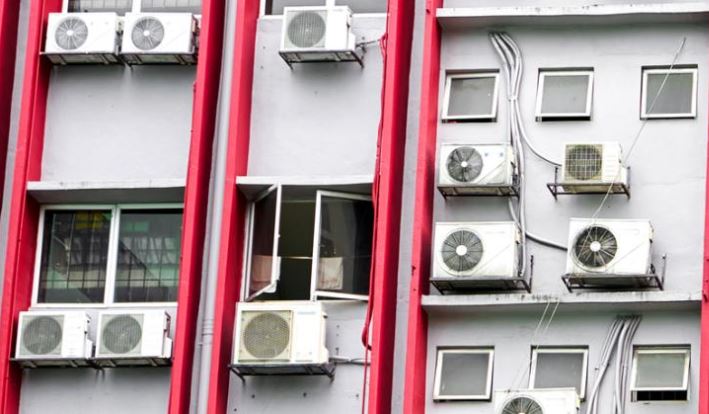
Current severe heatwaves that will likely increase in severity and frequency in the future are driving a rise in the use of air conditioners, threatening the environment with their high energy consumption and refrigerants with high warming potential. A new study finds that switching to propane as a refrigerant could lessen the global temperature increase from space cooling.

We spend enormous amounts of energy on fighting off the heat in the summer, or throughout the whole year at lower latitudes — about one-tenth of the total worldwide electricity supply. If current temperature trends continue, the energy demands of space-coolers will more than triple by 2050...

Read More

All-in-one Solar-powered Tower makes Carbon-Neutral Jet Fuel

•Entire process chain from H2O and CO2 to solar kerosene realized in a solar tower
•50-kW solar reactor demonstrated for ceria-based thermochemical redox splitting
•Consecutive redox cycling produced syngas suitable for FT synthesis
•4.1% solar-to-syngas energy efficiency achieved without implementing heat recovery

Researchers have designed a fuel production system that uses water, carbon dioxide (CO2), and sunlight to produce aviation fuel. They have implemented the system in the field, and the design, publishing July 20 in the journal Joule, could help the aviation industry become carbon neutral.

“We are the first to demonstrate the entire thermochemical process chain from water and CO2 to kerosene in a fully-integrated solar tower system,” says Aldo Steinfeld (@solarfuels), ...

Read More
