Category Health/Medical

Scientists create Novel Technique to form Human Artificial Chromosomes

Credit: CC0 Public Domain

Human artificial chromosomes (HACs) capable of working within human cells could power advanced gene therapies, including those addressing some cancers, along with many laboratory applications, though serious technical obstacles have hindered their development. Now a team led by researchers at the Perelman School of Medicine at the University of Pennsylvania has made a significant breakthrough in this field that effectively bypasses a common stumbling block.

In a study published in Science, the researchers explained how they devised an efficient technique for making HACs from single, long constructs of designer DNA...

Read More
New Brain Discovery could Help in the Fight Against Obesity

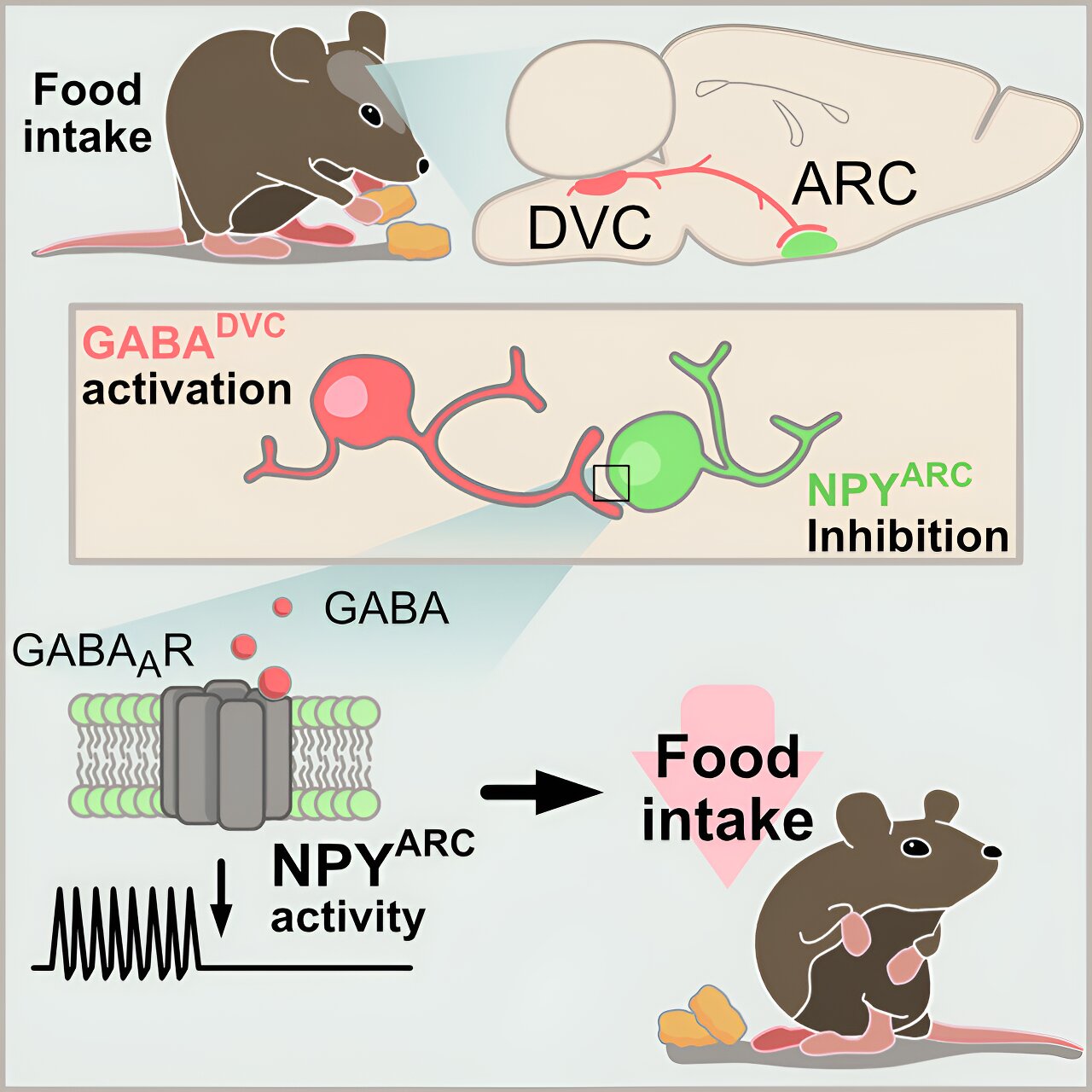
New brain discovery could help in the fight against obesity
Credit: Current Biology (2024). DOI: 10.1016/j.cub.2024.02.074

One of the largest threats to human health is obesity, but now researchers from the University of Aberdeen Rowett Institute have made an important discovery in how the brain controls food intake.

Obesity and being overweight have become the “new normal” in modern times and can lead to a multitude of health problems. We know that excess weight is primarily caused by eating more calories than the body needs; however, new research published in Current Biology has found a specific cluster of cells in the brain that control body weight.

How the brain controls hunger has not been fully defined. The researchers discovered a cluster of brain cells that can be harnessed to reduce food intake and body weight...

Read More

Revitalizing Vision: Metabolome Rejuvenation Can Slow Retinal Degeneration

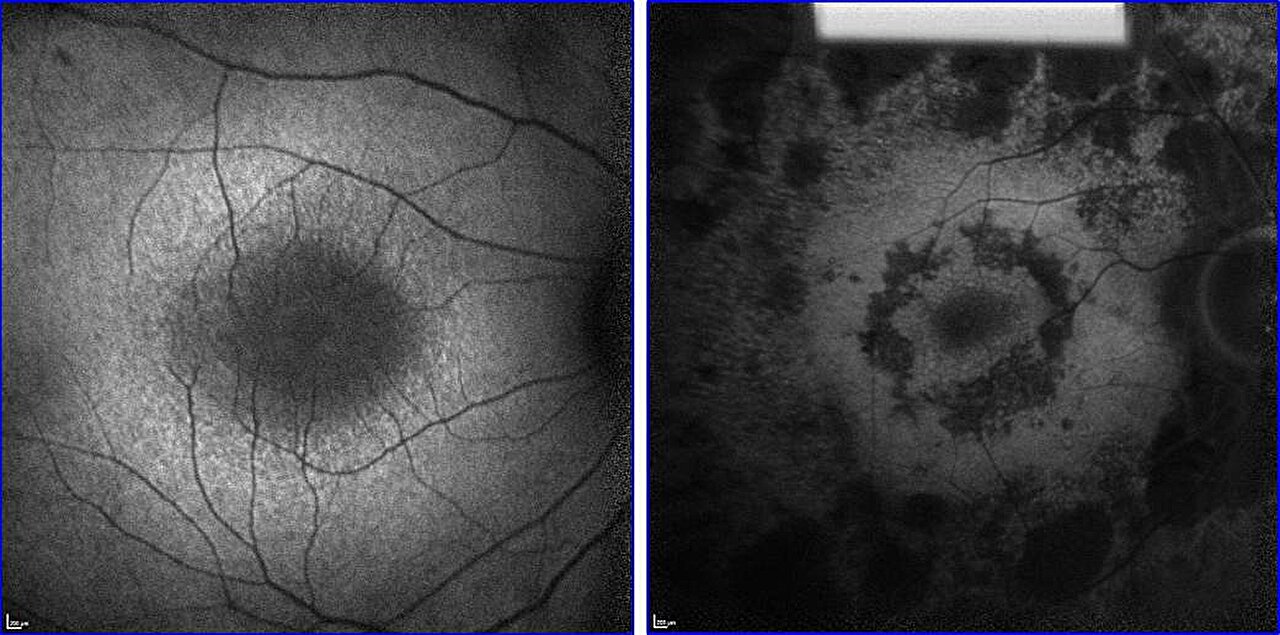
Revitalizing vision: Metabolome rejuvenation slows retinal degeneration
Different stages of retina degeneration in two people with RP. Credit: Photos provided by Stephen Tsang.

Gene therapy may be the best hope for curing retinitis pigmentosa (RP), an inherited condition that usually leads to severe vision loss and blinds 1.5 million people worldwide.

But there’s a huge obstacle: RP can be caused by mutations in over 80 different genes. To treat most RP patients with gene therapy, researchers would have to create a therapy for each gene—a nearly impractical task using current gene therapy strategies.

A more universal treatment may be forthcoming...

Read More

Craving Snacks After a Meal? It might be Food-Seeking Neurons, Not an Overactive Appetite

Four hands reaching for designer doughnuts
Tu Trinh/Unsplash
The discovery of a circuit in the brain of mice that makes them seek fatty food, even when they are not hungry, could have implications for future understanding of and treatment for human eating disorders

A new study has shown that food-seeking cells exist in a part of a mouse’s brain usually associated with panic — but not with feeding. Activating a selective cluster of these cells kicked mice into ‘hot pursuit’ of live and non-prey food, and showed a craving for fatty foods intense enough that the mice endured foot shocks to get them, something full mice normally would not do. If true in humans, who also carry these cells, the findings could help address the circuit that can circumvent the normal hunger pressures of ‘how, what and when to eat.’

People who find the...

Read More