Category Health/Medical

Lifespan Increases in Mice when Specific Brain Cells are Activated, study finds

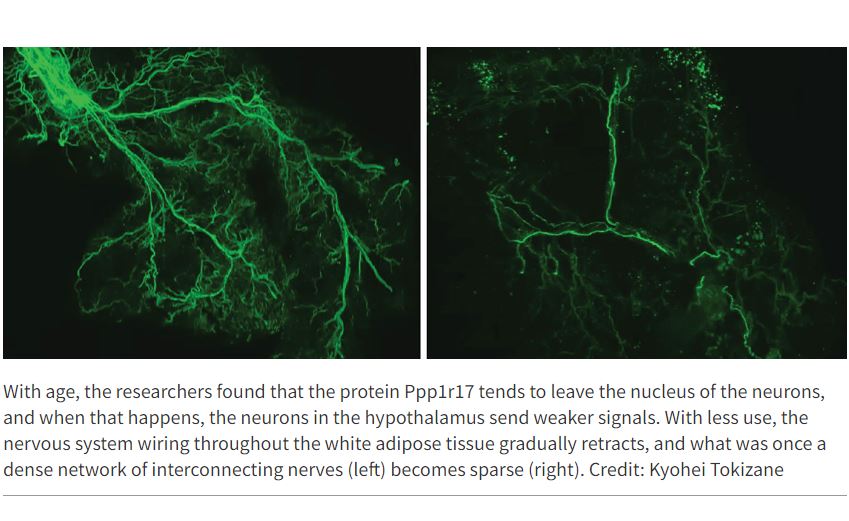
In recent years, research has begun to reveal that the lines of communication between the body’s organs are key regulators of aging. When these lines are open, the body’s organs and systems work well together. But with age, communication lines deteriorate, and organs don’t get the molecular and electrical messages they need to function properly.

A new study from Washington University School of Medicine in St. Louis identifies, in mice, a critical communication pathway connecting the brain and the body’s fat tissue in a feedback loop that appears central to energy production throughout the body. The research suggests that the gradual deterioration of this feedback loop contributes to the increasing health problems that are typical of natural aging.

The study—published in the jour...

Read More
Scientists Tame Chaotic Protein Fueling 75% of Cancers

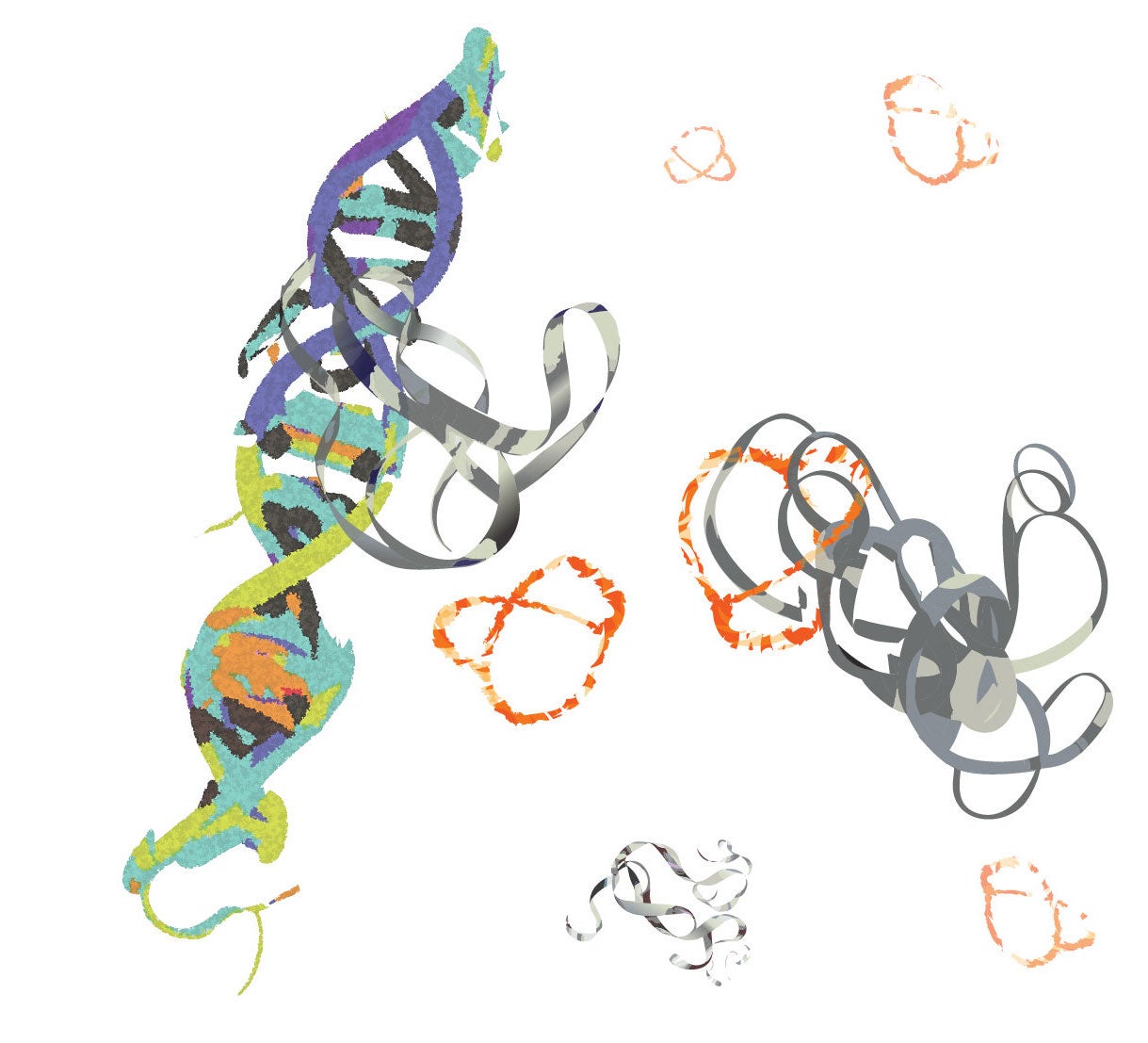
​The MYC proteins (grey ribbons) bind to DNA and promote cancer progression. UCR researchers developed a molecule (orange pretzel-like shape) that binds to MYC, inhibiting its cancer-promoting function. (Min Xue/UCR)

Discovery opens window to more effective treatment. Meet MYC, the shapeless protein responsible for making the majority of human cancer cases worse. UC Riverside researchers have found a way to rein it in, offering hope for a new era of treatments.

In healthy cells, MYC helps guide the process of transcription, in which genetic information is converted from DNA into RNA and, eventually, into proteins.

“Normally, MYC’s activity is strictly controlled...

Read More

Epilepsy Drug shows Promise in Slowing Joint Degeneration in Osteoarthritis

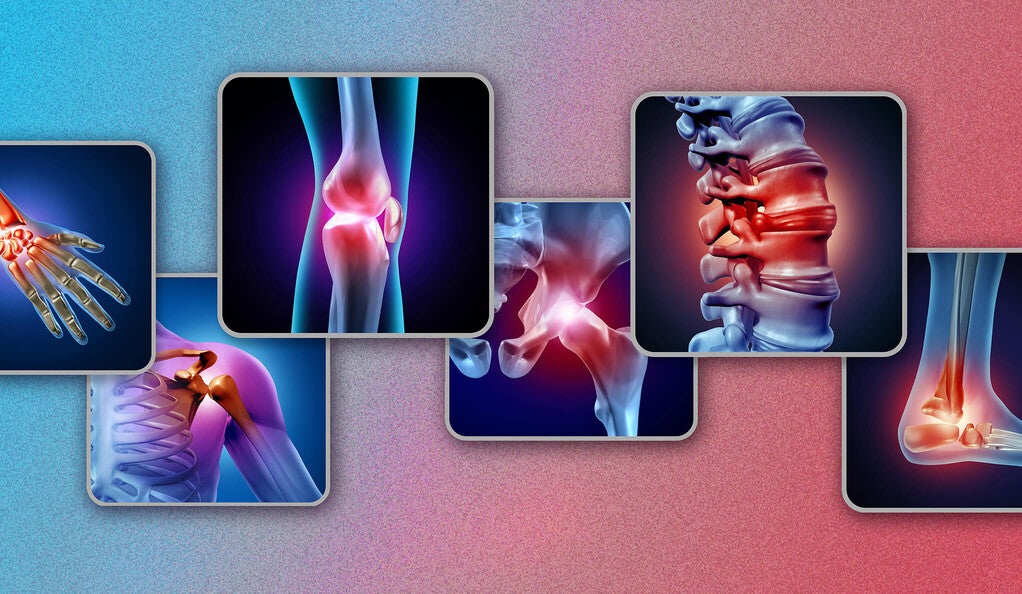
X-ray images of arthritis on various joints Nav1.7
(© stock.adobe.com)

Yale researchers have identified a drug target that may alleviate joint degeneration associated with osteoarthritis, a debilitating condition that afflicts as many as 30 million people in the United States alone, which they report on Jan. 3 in the journal Nature.

Pain relievers and lifestyle changes, such as exercise and reduced excess weight, have long been the therapies most commonly used to treat the joint stiffness and pain caused by degenerative disease, but there is a pressing need for therapies that can prevent joint breakdown that occurs in osteoarthritis.

It is known that specialized proteins known as sodium channels found in cell membranes produce electrical impulses in “excitable” cells within muscles, the nervous system, and the heart.

And in p...

Read More

Newly discovered Genetic Mutation Protects against Parkinson’s disease and offers hope for New Therapies

genetic mutation
Credit: Unsplash/CC0 Public Domain

A previously unidentified genetic mutation in a small protein provides significant protection against Parkinson’s disease and offers a new direction for exploring potential treatments, according to a new USC Leonard Davis School of Gerontology study.

The variant, located in a mitochondrial microprotein dubbed SHLP2, was found to be highly protective against Parkinson’s disease; individuals with this mutation are half as likely to develop the disease as those who do not carry it. The variant form of the protein is relatively rare and is found primarily in people of European descent.

The findings appear in the journal Molecular Psychiatry.

First discovered by Pinchas Cohen at the USC Leonard Davis School in 2016, SHLP2 is made within the cell’s...

Read More