Category Health/Medical

This tiny protein helps control how hungry you feel

A Hidden Protein That Controls Appetite
Scientists found that appetite control relies on a helper protein that keeps hunger signals running smoothly. When this support breaks down, the body’s energy balance can be thrown off. Credit: Shutterstock

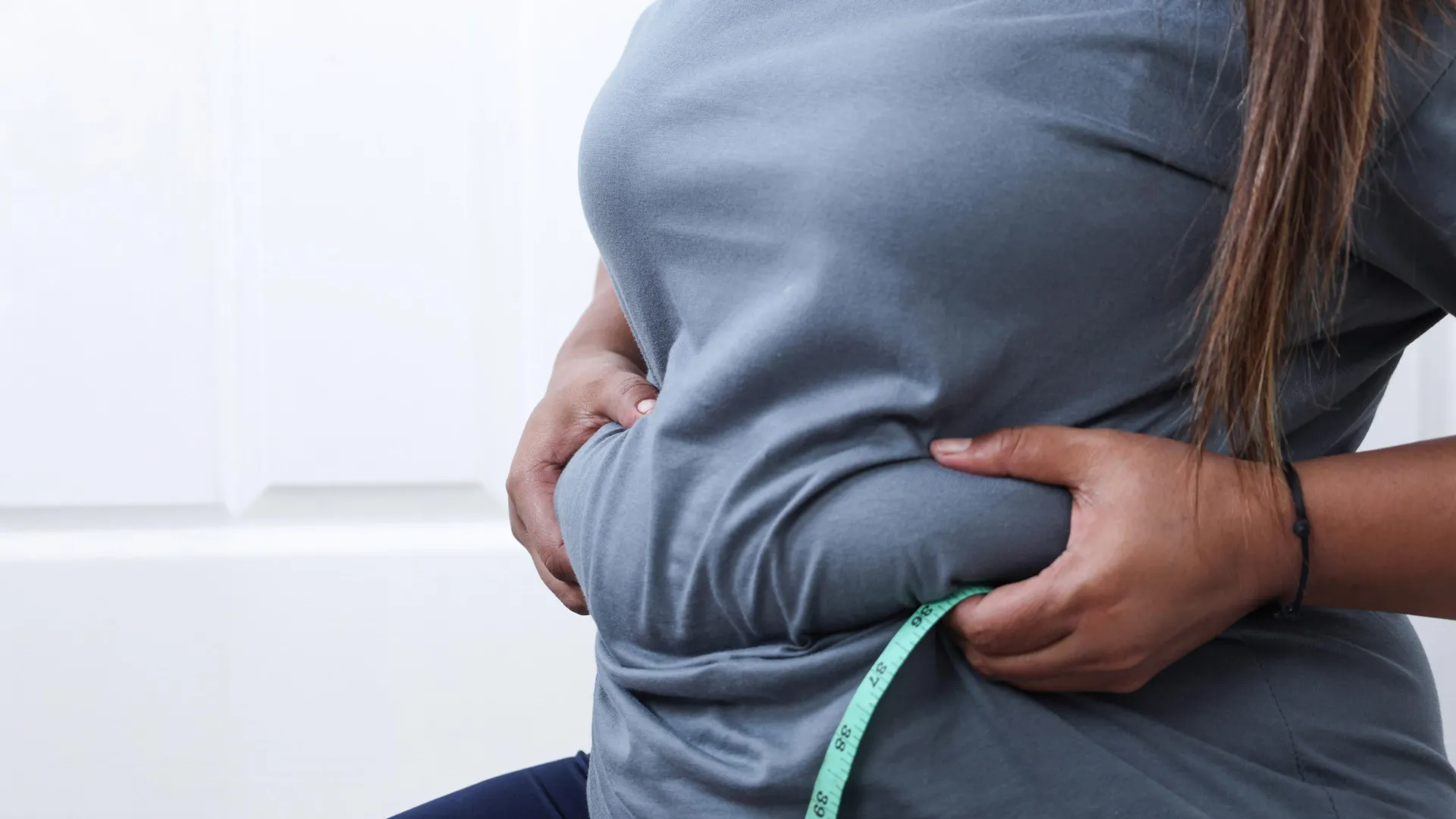
A hidden protein helper may play a key role in why hunger control works for some people but not others. Researchers have identified a previously overlooked protein that helps regulate appetite and energy use in the body. This “helper” protein supports a key system that decides whether the body burns energy or stores it, and when it does not function properly, appetite signals can weaken.

New research suggests that a protein the body relies on to manage appetite and energy levels cannot function on its own. Instead, it depends on a partner protein to work properly...

Read More
Ultra-low power, fully biodegradable artificial synapse offers record-breaking memory

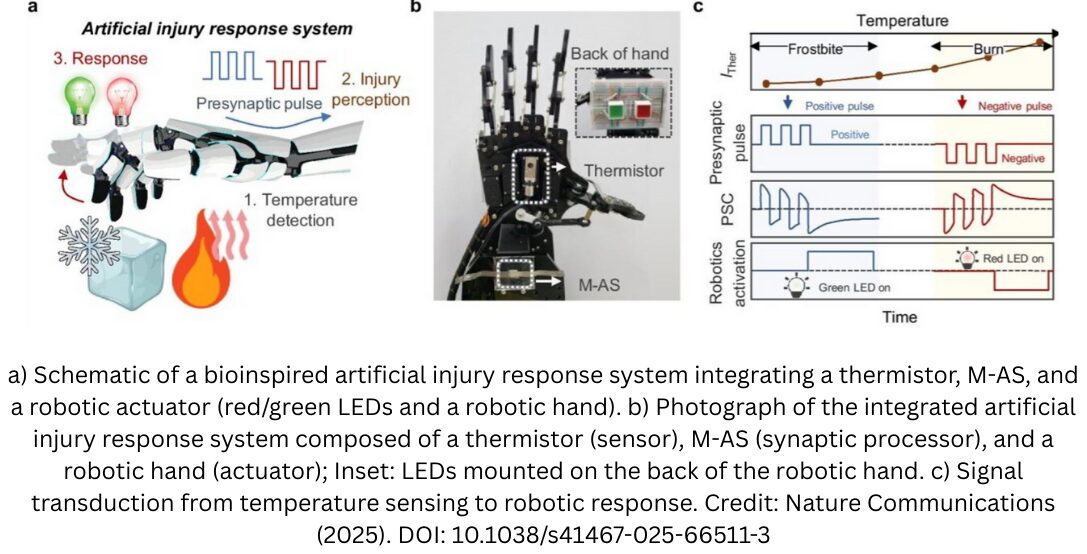
In Nature Communications, a research team affiliated with UNIST present a fully biodegradable, robust, and energy-efficient artificial synapse that holds great promise for sustainable neuromorphic technologies. Made entirely from eco-friendly materials sourced from nature—such as shells, beans, and plant fibers—this innovation could help address the growing problems of electronic waste and high energy use.

Traditional artificial synapses often struggle with high power consumption and limited lifespan. Led by Professor Hyunhyub Ko from the School of Energy and Chemical Engineering, the team aimed to address these issues by designing a device that mimics the brain’s synapses while being environmentally friendly.

How the biodegradable synapse works
The result is a layered struct...

Read More

A hormone can access the brain by ‘hitchhiking’ on extracellular vesicles, researchers discover

brain
Credit: CC0 Public Domain

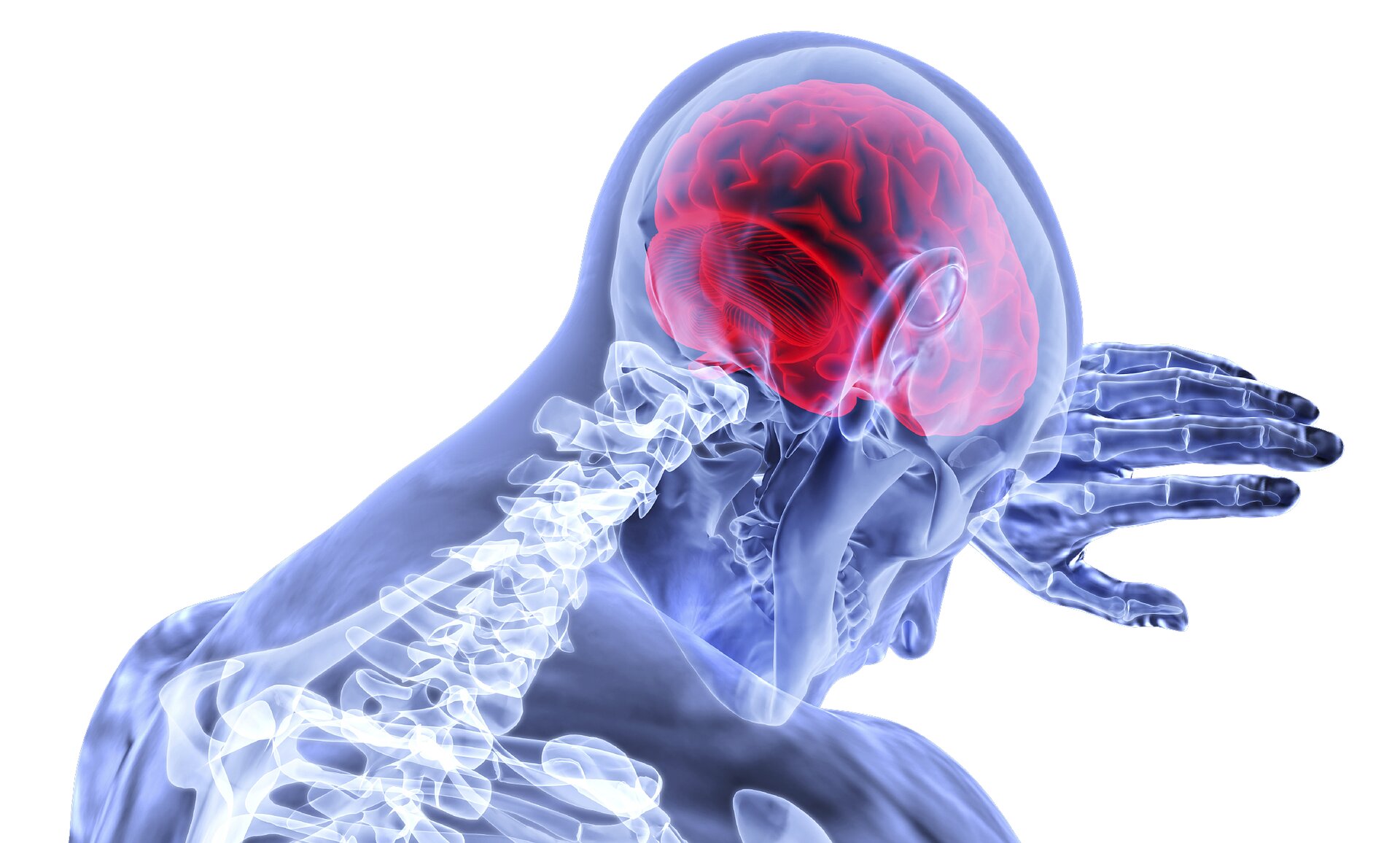
Researchers at Touro University Nevada have discovered that tiny particles in the blood, called extracellular vesicles (EVs), are a major player in how a group of hormones are shuttled through the body. Physical exercise can stimulate this process.

The findings, published in the journal Proceedings of the National Academy of Sciences, open the door to deeper understanding of hormone circulation and access to the brain, how exercise may trigger changes in energy balance, mental health, and immune function, and circulation of certain drugs.

Blood and other body fluids are teeming with EVs—tiny particles that exist outside of cells...

Read More

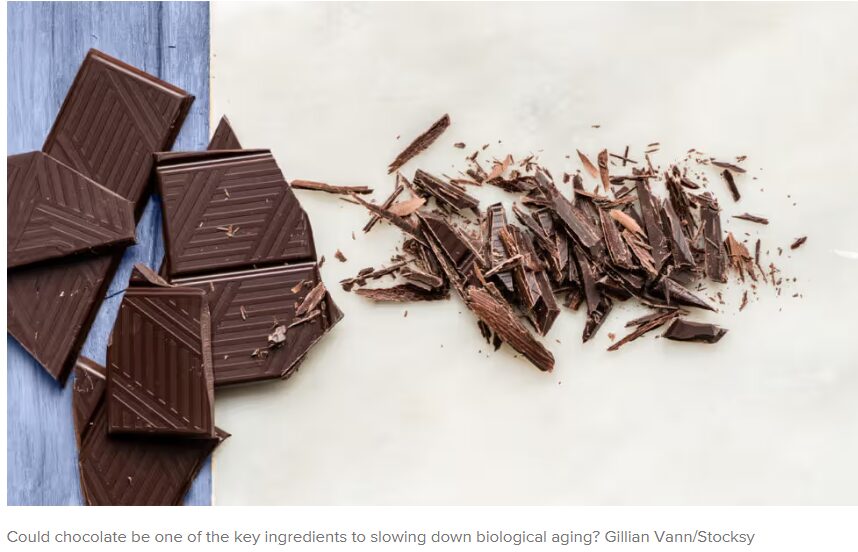
Could eating more dark chocolate help slow down biological aging?

Theobromine is found in cocoa and, to a lesser extent, coffee. It is chemically similar to caffeine but does not have such a pronounced stimulant effect.

A new study, published in the journal Aging, measured levels of this compound in people’s blood.

They found that those with the highest levels had epigenetic markers associated with slower biological aging.

But what is theobromine?
Theobromine is a bioactive phytochemical, meaning that it comes from a plant, and it can influence human physiology.

The primary sources of theobromine in the human diet are chocolate and, to a lesser extent, coffee.

This compound is a major component of cocoa beans, comprising around 3.3% by weight. It is molecularly similar to caffeine and shares some of its effects.

However, experts c...

Read More