
Category Health/Medical

The way to Better Mental Health may go through your Stomach

A cup of granola and yogurt on a fragmented background of orange, tan, and blue
Yogurt could help your mood as well as your gut. UVA researchers say a bacterium in fermented foods may help change the way you feel, opening a realm of possible treatments for mental health and other medical issues. (Illustration by Emily Faith Morgan, University Communications)

University of Virginia School of Medicine researchers have discovered how Lactobacillus, a bacterium found in fermented foods and yogurt, helps the body manage stress and may help prevent depression and anxiety.

The findings open the door to new therapies to treat anxiety, depression and other mental health conditions.

UVA researcher Alban Gaultier and collaborators say the discovery is notable because it pinpoints the role of Lactobacillus, separating it out from all the other microorganisms that natura...

Read More
Mice Eating Less of Specific Amino Acid – overrepresented in diet of obese people – Live Longer, Healthier

Study: Mice that ate less of an obesity-associated amino acid lived longer, healthier
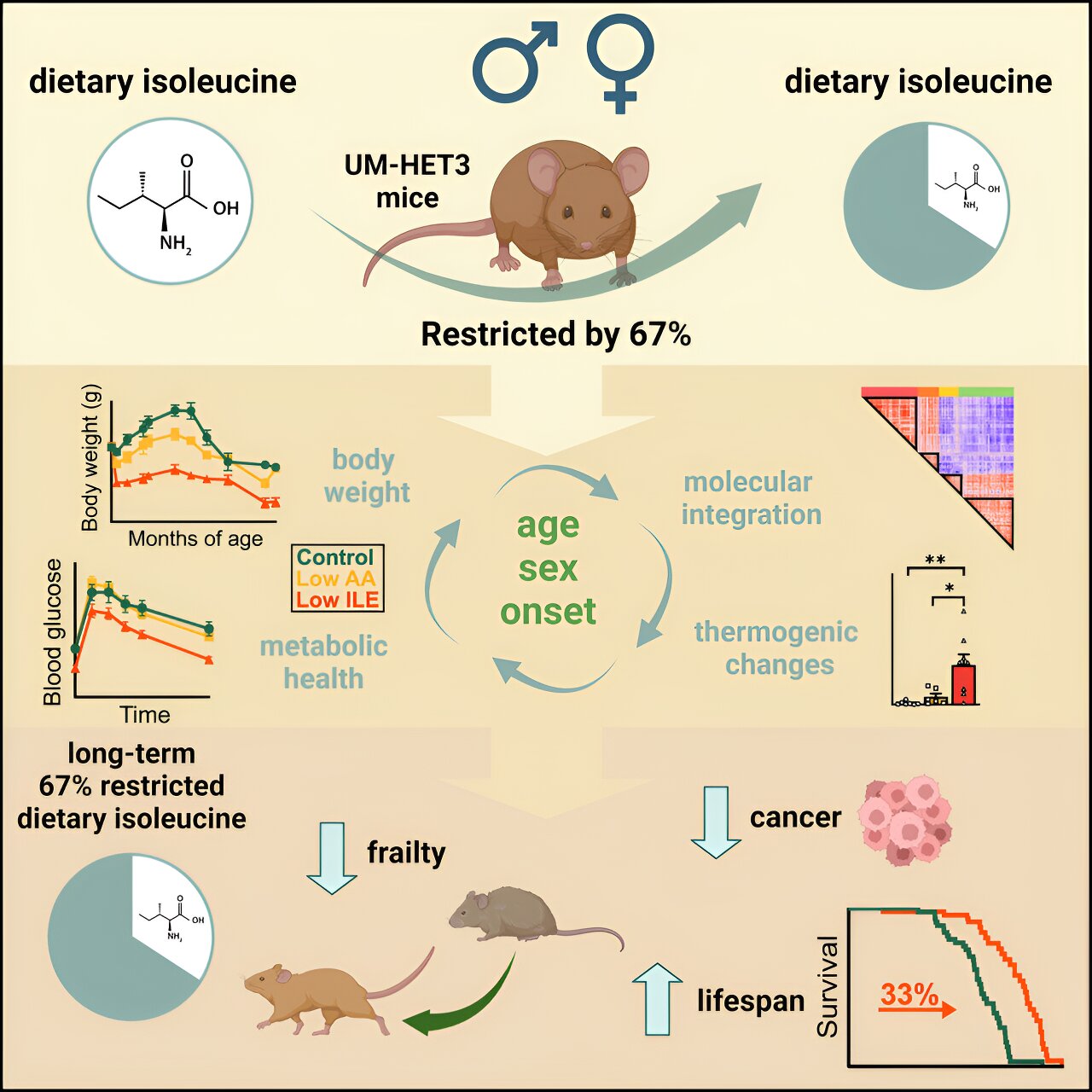
Credit: Cell Metabolism (2023). DOI: 10.1016/j.cmet.2023.10.005

A new study in mice, published recently in the journal Cell Metabolism, shows that cutting down the amount of a single amino acid called isoleucine can, among other benefits, extend their lifespan, make them leaner and less frail as they age and reduce cancer and prostate problems, all while the mice ate more calories.

There’s a popular saying in some circles that “a calorie is a calorie,” but science shows that it may not be true. In fact, it may be possible to eat more of some kinds of calories while also improving your health.

“We like to say a calorie is not just a calorie,” says Dudley Lamming, a professor and metabolism researcher at the University of Wisconsin School of Medicine and Public Health...

Read More

Certain Skin Bacteria can Inhibit Growth of Antibiotic-Resistant Bacteria

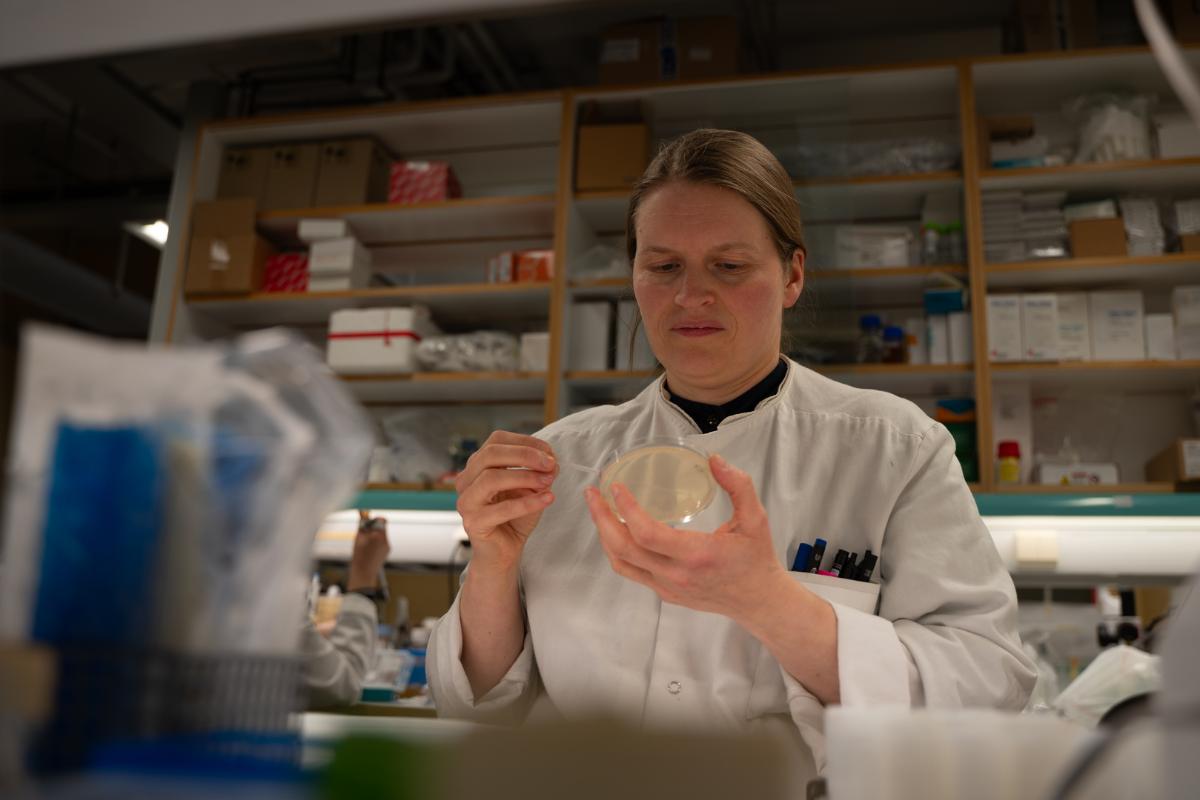
Runa Wolden in the lab.
Runa Wolden in the lab.FOTO: JØRN BERGER-NYVOLL/UIT

Researchers have found a bacteriocin that can help inhibit the growth of antibiotic-resistant bacteria. Infections with antibiotic-resistant bacteria are a growing global problem. Part of the solution may lie in copying the bacteria’s own weapons. The research environment in Tromsø has found a new bacteriocin, in a very common skin bacterium. Bacteriocin inhibits the growth of antibiotic-resistant bacteria that are often the cause of disease and can be difficult to treat.

One million deaths each year

The fact that we have medicines against bacterial infections is something many people take for granted.

But increasing resistance among bacteria means that more and more antibiotics do not work.

When the bacteria become resi...

Read More

Personalized Cancer Medicine: Humans make Better Treatment Decisions than AI

Organoid model of a tumor. © Ana Cristina Afonseca Pestana
Organoid model of a tumor. Unchecked cell growth and targeted treatments can be simulated in these models. © Ana Cristina Afonseca Pestana

Limits of large language models in precision medicine. Treating cancer is becoming increasingly complex, but also offers more and more possibilities. After all, the better a tumor’s biology and genetic features are understood, the more treatment approaches there are. To be able to offer patients personalized therapies tailored to their disease, laborious and time-consuming analysis and interpretation of various data is required. Researchers at Charité — Universitätsmedizin Berlin and Humboldt-Universität zu Berlin have now studied whether generative artificial intelligence (AI) tools such as ChatGPT can help with this step...

Read More
