Category Health/Medical

Study shows that Common Supplements may Reduce Natural Hearing Loss

Common supplements might reduce natural hearing loss
Prestin expression in OHCs from control, efavirenz, and efavirenz plus phytosterols-treated mice. Credit: Sodero AO et al., 2023, PLOS Biology, CC-BY 4.0 (creativecommons.org/licenses/by/4.0/)

Researchers report that age-related hearing loss is associated with a decrease of cholesterol in the inner ear.

Experiments published August 24 in the open access journal PLOS Biology show that phytosterols supplements were able to act in place of the lost cholesterol and prevent sensory dysfunction in mice.

Sensory cells in the inner ear called outer hair cells (OHCs) amplify sounds by changing their length. As we age, these cells lose their ability to stretch in response to sound, preventing sound amplification and leading to age-related hearing loss...

Read More
New findings show how the Brain prepares to make Choices during Decision-Making

New findings show how the brain prepares for making choices during decision-making
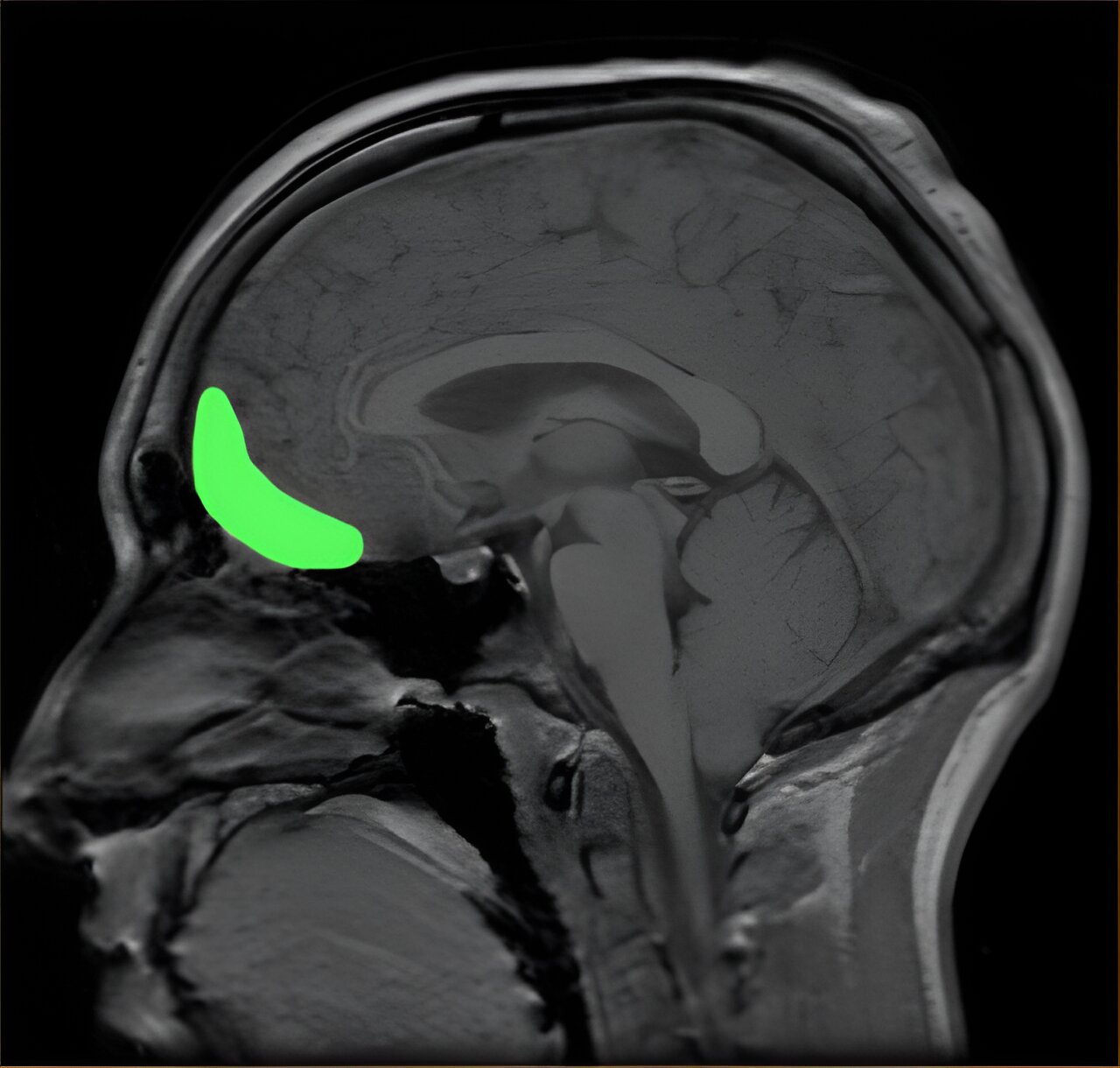
Region highlighted = approximate location of the orbitofrontal cortex. Credit: PaulWicks, Wikimedia

Neuroscientists and psychologists have been trying for decades to better understand how humans make decisions, in the hope to devise more effective interventions to promote healthy and beneficial lifestyle choices. Two brain regions that have been linked to decision-making are the orbitofrontal cortex (OFC) and the anterior cingulate cortex (ACC).

Researchers at University of California, Berkeley (UC Berkeley), have been conducting extensive research focusing on these two areas of the brain and exploring their involvement in decision-making...

Read More

Brain-computer interface enables woman with Severe Paralysis to speak through Digital Avatar

Brain-computer interface enables woman with severe paralysis to speak through digital avatar
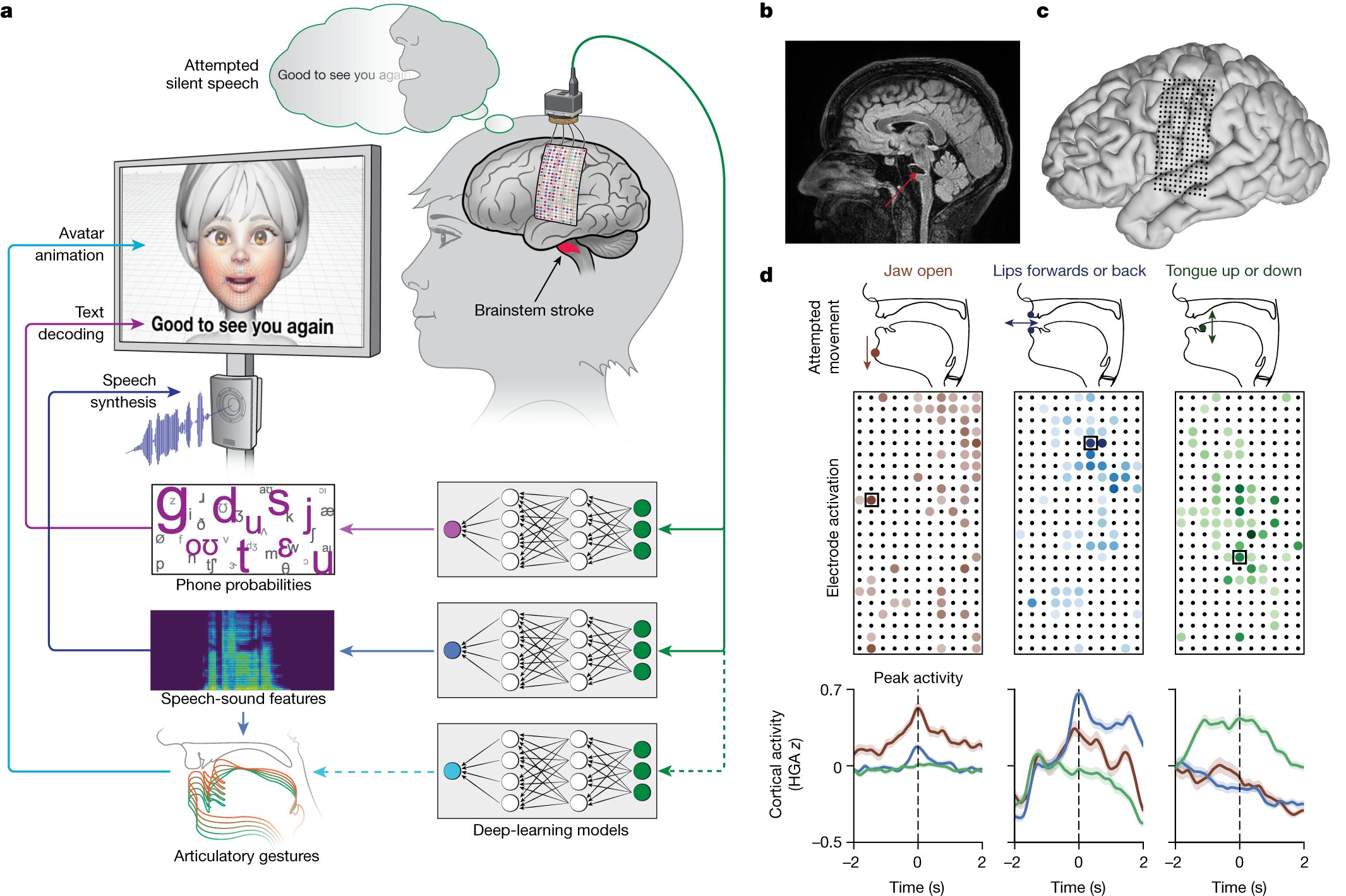
Multimodal speech decoding in a participant with vocal-tract paralysis. Credit: Nature (2023). DOI: 10.1038/s41586-023-06443-4

Researchers at UC San Francisco and UC Berkeley have developed a brain-computer interface (BCI) that has enabled a woman with severe paralysis from a brainstem stroke to speak through a digital avatar.

It is the first time that either speech or facial expressions have been synthesized from brain signals. The system can also decode these signals into text at nearly 80 words per minute, a vast improvement over commercially available technology.

Edward Chang, MD, chair of neurological surgery at UCSF, who has worked on the technology, known as a brain computer interface, or BCI, for more than a decade, hopes this latest research breakthrough, appearing Aug...

Read More

Deficiency in Certain Brain Proteins shown to Promote Compulsive Behavior

Credit: Claudia Knorr/FMP

Our behavior is controlled through neural circuits in the brain. Molecular disturbances can lead to stereotypical behavior, as seen in neuropsychiatric disorders such as obsessive-compulsive and autism spectrum disorders.

A research team has now demonstrated that the absence of two proteins, Intersectin1 and Intersectin2, in mice leads to disrupted neural signaling and compulsive repetitive behavior, which is also observed in patients with Intersectin 1 mutations. This supports the idea that such defects can cause neuropsychiatric diseases. The study is published in Proceedings of the National Academy of Sciences.

Our brain is essentially our body’s computer...

Read More