Category Health/Medical

Dopamine Controls Movement, not just Rewards

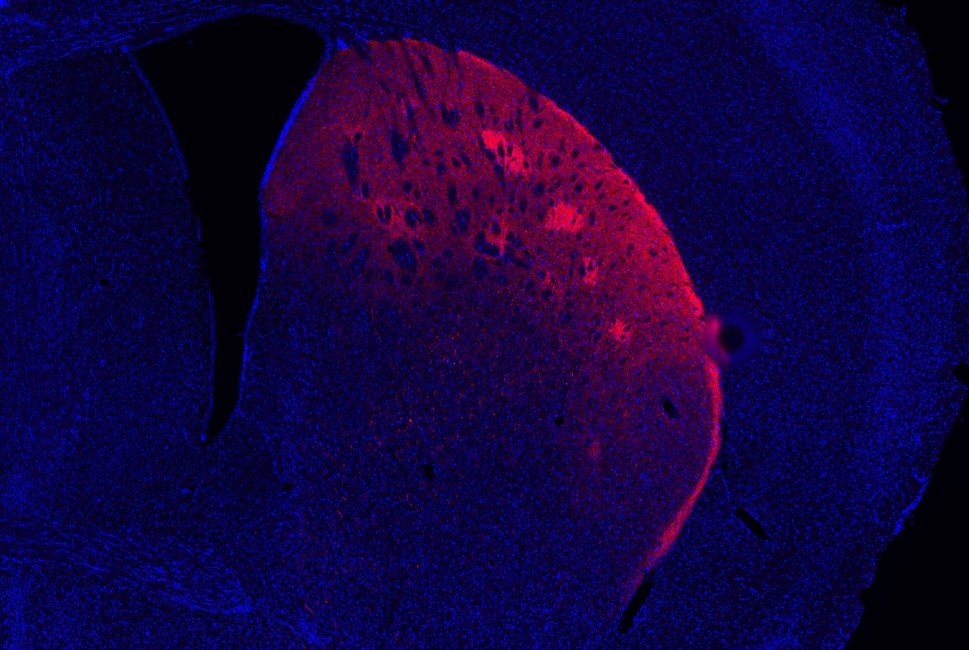
Microscopy image of a dopamine neuron subtype that displays activity correlated to locomotion but no response to rewards. Image by Maite Azcorra and Zachary Gaertner

New study finds dopamine neurons are more diverse than previously thought. Although there is a long-standing, common assumption that most – if not all – dopamine neurons solely respond to rewards or reward-predicting cues, researchers instead discovered that one genetic subtype fires when the body moves and does not respond to rewards at all. The discovery could help explain why loss of dopamine neurons leads to Parkinson’s disease.

In a new Northwestern University-led study, researchers identified and recorded from three genetic subtypes of dopamine neurons in the midbrain region of a mouse model.

Although there is ...

Read More
New Research Shines Light on How COVID-19 Vaccination Reduces Severity and Mortality after Breakthrough Infections

COVID-19 vaccine
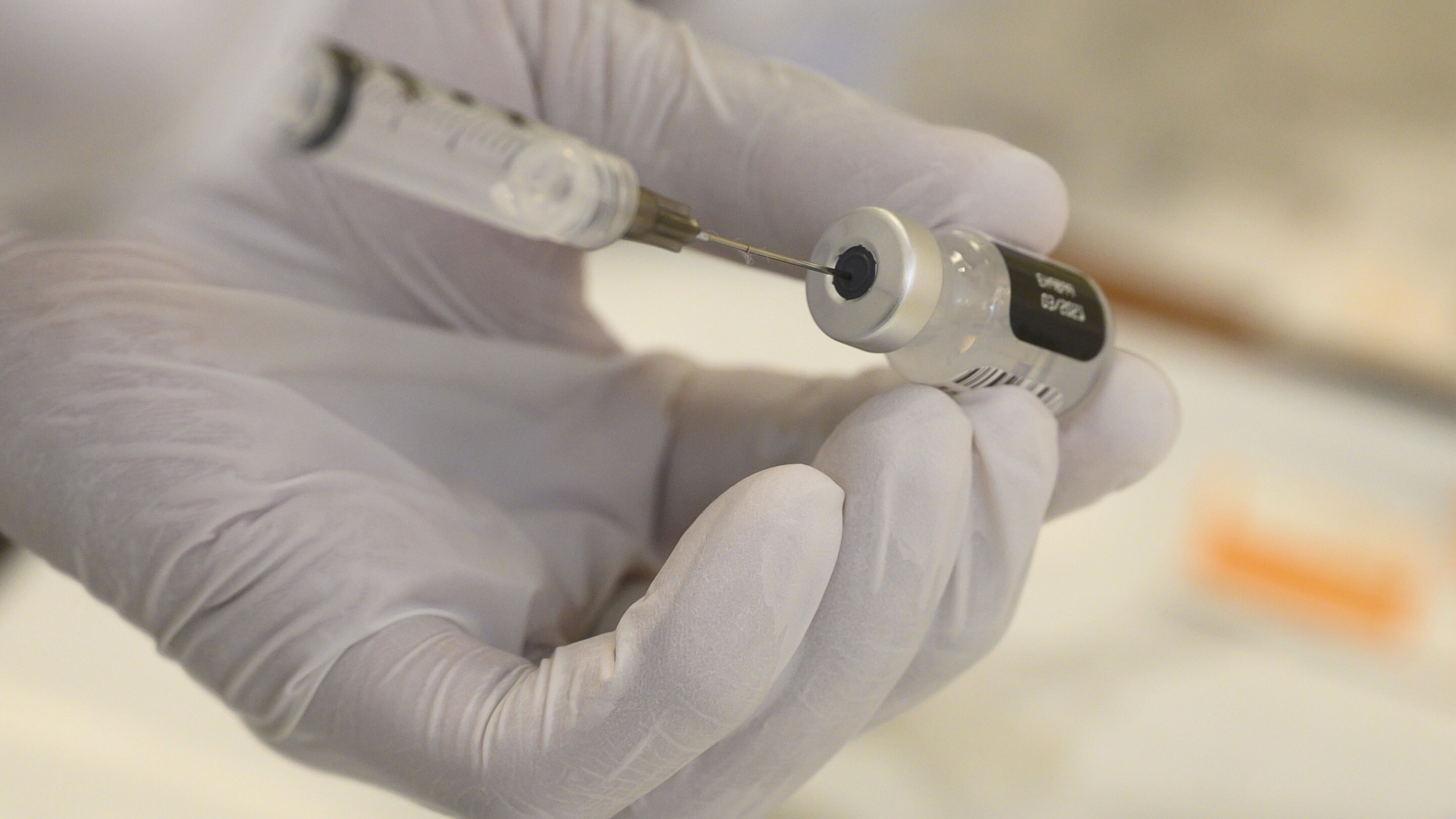
A medical assistant prepares a dose of a COVID-19 vaccine to be administered to a patient. Credit: Public domain image courtesy of Lisa Ferdinando, U.S. Department of Defense

In one of the largest studies of its kind, researchers provide answers to whether COVID-19 vaccinations reduce sickness and mortality following infection with SARS-CoV-2.

The study published in The Lancet Microbe found among individuals recently infected with SARS-CoV-2, those who were fully vaccinated had lower concentrations of almost all inflammation markers (cytokines and chemokines) than those who were unvaccinated in the short-term and long-term after symptomatic SARS-CoV-2 infection.

While vaccinations don’t entirely prevent infection, this study demonstrates that vaccination significantly reduces mor...

Read More

New Study Links Brain Waves directly to Memory

brain wave
Credit: Pixabay/CC0 Public Domain

Neurons produce rhythmic patterns of electrical activity in the brain. One of the unsettled questions in the field of neuroscience is what primarily drives these rhythmic signals, called oscillations. University of Arizona researchers have found that simply remembering events can trigger them, even more so than when people are experiencing the actual event.

The researchers, whose findings are published in the journal Neuron, specifically focused on what are known as theta oscillations, which emerge in the brain’s hippocampus region during activities like exploration, navigation and sleep. The hippocampus plays a crucial role in the brain’s ability to remember the past.

Prior to this study, it was believed that the external environment played a mo...

Read More

Scrambler Therapy may offer Lasting Relief for Chronic Pain, review paper suggests

Cancer
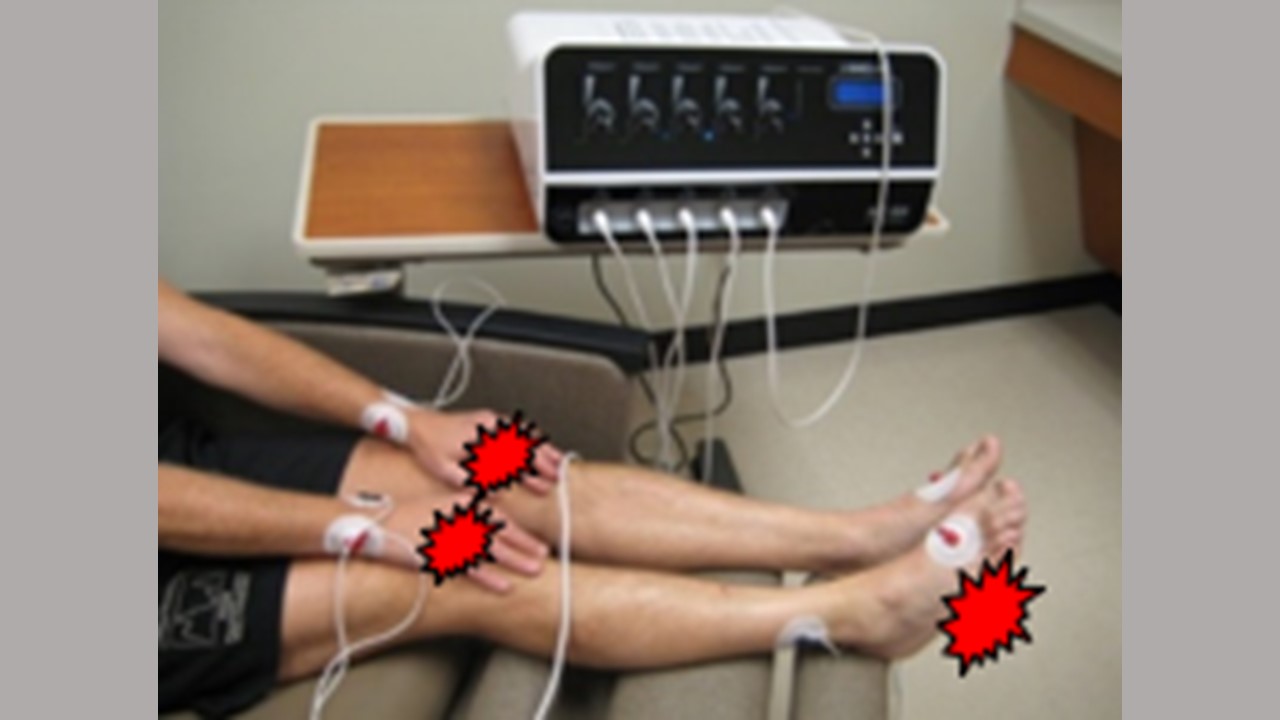
Scrambler therapy used for a patient with chemotherapy-induced peripheral neuropathy. The red bursts represent areas where the patient is experiencing pain. Credit: Photo courtesy of Thomas Smith

A new review paper co-authored by two Johns Hopkins pain experts suggests that scrambler therapy, a noninvasive pain treatment, can yield significant relief for approximately 80%-90% of patients with chronic pain, and it may be more effective than another noninvasive therapy: transcutaneous electrical nerve stimulation (TENS). The write-up was published online July 13 in The New England Journal of Medicine.

Scrambler therapy, approved by the U.S...

Read More