
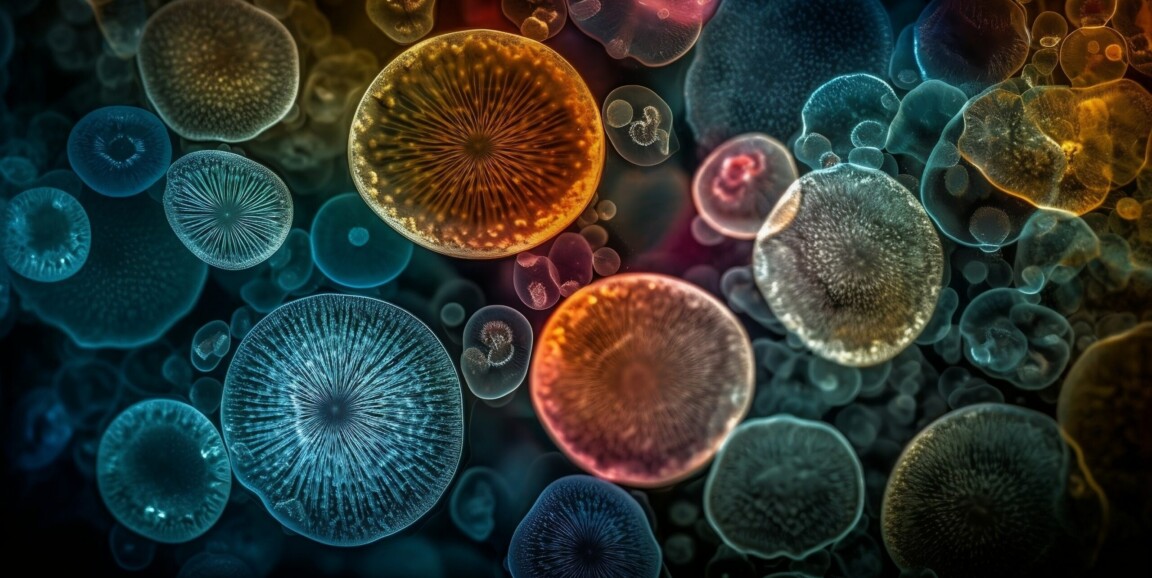
Category Health/Medical

How an Ultrasensitive On-Off Switch helps Axolotls Regrow Limbs

It’s one of the mysteries of nature: How does the axolotl, a small salamander, boast a superhero-like ability to regrow nearly any part of its body? For years, scientists have studied the amazing regenerative properties of the axolotl to inform wound healing in humans.

Now, Stanford Medicine researchers have made a leap forward in understanding what sets the axolotl apart from other animals. Axolotls, they discovered, have an ultra-sensitive version of mTOR, a molecule that acts as an on-off switch for protein production. And, like survivalists who fill their basements with non-perishable food for hard times, axolotl cells stockpile messenger RNA molecules, which contain genetic instructions for producing proteins.

The combination of an easily activated mTOR molecule and a repos...

Read More
Lifespan of Aging Science’s Model Organism driven by Reproductive Self-destruction

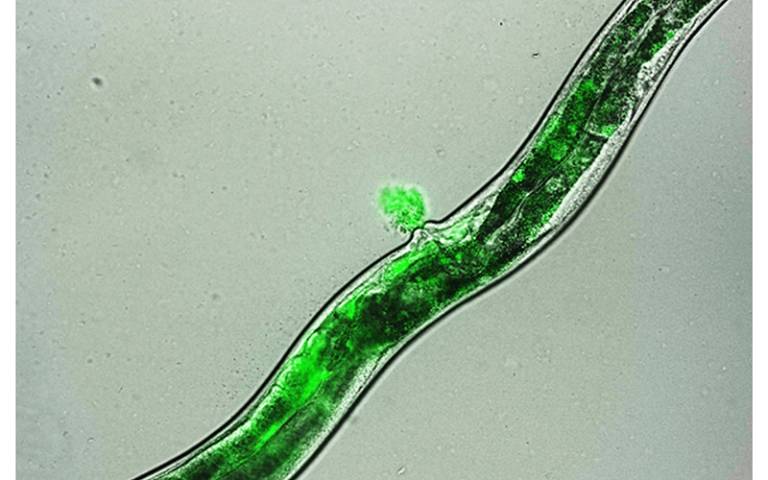
C elegans worm venting

The lifespan of a small roundworm that has been used as a key model organism in ageing research is limited by how it self-sacrifices to feed its young, finds a new study led by UCL researchers.

The authors of the new Nature Communications paper say their findings raise questions about how well insights from the Caenorhabditis elegans (C. elegans) worm can be translated to human ageing advances.

C. elegans is widely used as a laboratory animal, and has been central to ageing research for 40 years thanks to discoveries of genes that can be supressed to produce up to a tenfold increase in the worm’s lifespan.

The UCL research team investigated what drives the lifespan of C...

Read More

Why we Lose Fat and Muscle during Infection

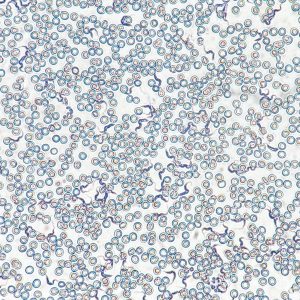
Parasitic Trypanosoma brucei parasites (dark blue) among mouse blood cells (light blue and white).
Parasitic Trypanosoma brucei parasites (dark blue) among mouse blood cells (light blue and white).

Scientists discover role immune system’s T cells play in regulating fat and muscle loss during infection in mice. Scientists discovered that 1) the wasting response to T. brucei infection in mice occurs in two phases, each regulated by different immune cells and 2) fat loss did not benefit the fight against infection, but muscle loss did. The findings inform the development of more effective therapeutics that spare people from wasting and increase our understanding of how wasting influences survival and morbidity across infections, cancers, chronic illnesses, and more.

Although infections can present with many different symptoms, one common symptom is the loss of fat and muscle, a proc...

Read More

AI can ask another AI for a second opinion on medical scans

AI-annotated medical image showing enhanced tumour, tumour core and edema regions

Researchers at Monash University have designed a new co-training AI algorithm for medical imaging that can effectively mimic the process of seeking a second opinion.

Published recently in Nature Machine Intelligence, the research addressed the limited availability of human annotated, or labelled, medical images by using an adversarial, or competitive, learning approach against unlabelled data.

This research, by Monash University faculties of Engineering and IT, will advance the field of medical image analysis for radiologists and other health experts.

PhD candidate Himashi Peiris of the Faculty of Engineering, said the research design had set out to create a competition between the two components...

Read More
