



- Communication-aware neural networks could advance edge computing
- Physicists trace the sun’s magnetic engine, 200,000 kilometers below its surface
- Ryugu asteroid samples contain all DNA and RNA building blocks, bolstering origin-of-life theories
- New genetic risk score better predicts diabetes, obesity and downstream complications
Category Health/Medical
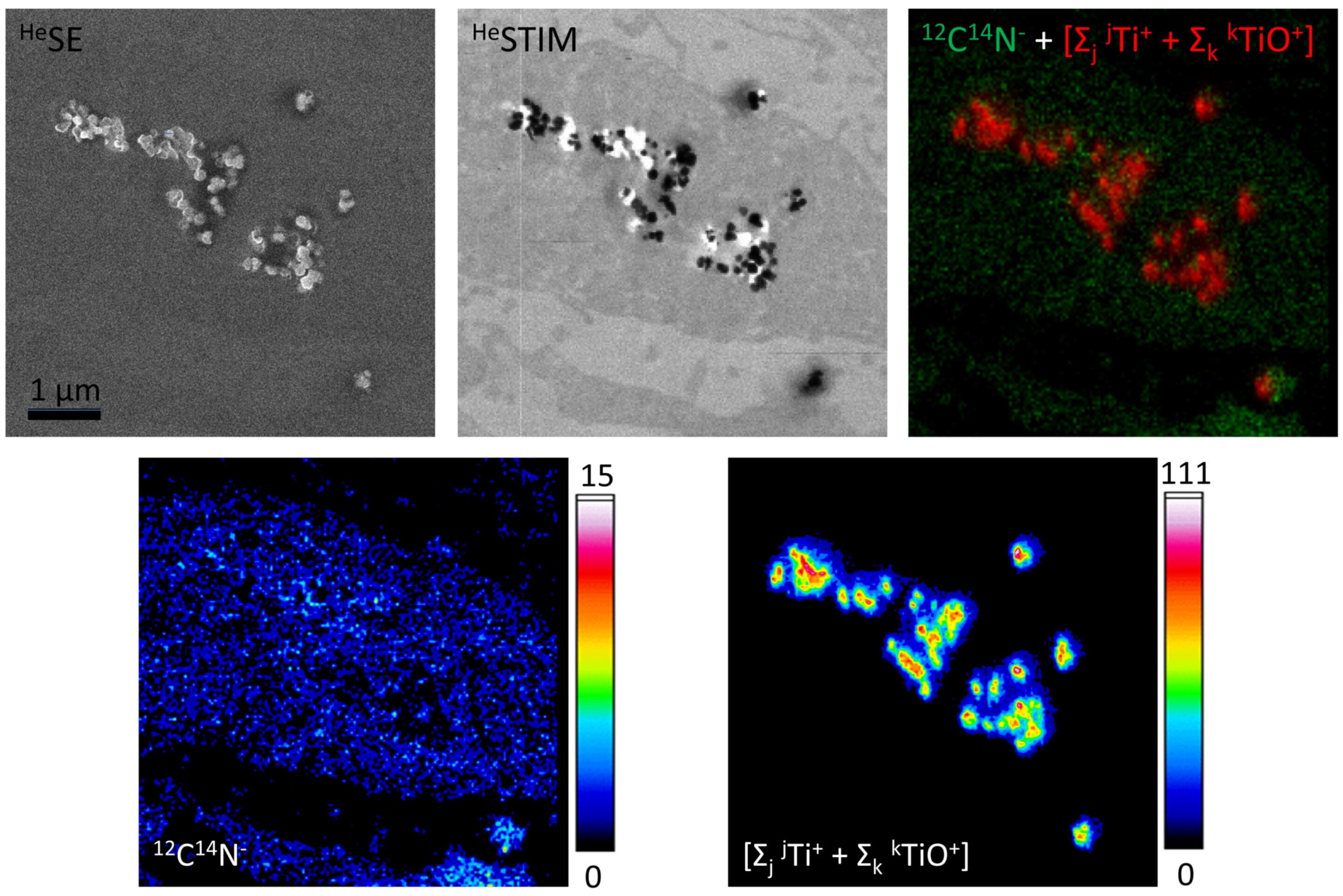
Titanium Dioxide: E171 first enters the Blood via the Mouth
May 24, 2023,
 Biology/Biotechnology, Health/Medical
A Giant Leap Forward in Wireless Ultrasound Monitoring for Subjects in Motion
May 24, 2023,
Biology/Biotechnology, Health/Medical

A team of engineers at the University of California San Diego has developed the first fully integrated wearable ultrasound system for deep-tissue monitoring, including for subjects on the go. It facilitates potentially life-saving cardiovascular monitoring and marks a major breakthrough for one of the world’s leading wearable ultrasound labs. The paper, “A fully integrated wearable ultrasound system to monitor deep tissues in moving subjects,” is published in the May 22, 2023 issue of Nature Biotechnology.
“This project gives a complete solution to wearable ultrasound technology — not only the wearable sensor, but also th...
Read MoreBreaking through Bacterial Barriers in Chronic Treatment-Resistant Wounds
May 23, 2023,
Biology/Biotechnology, Health/Medical
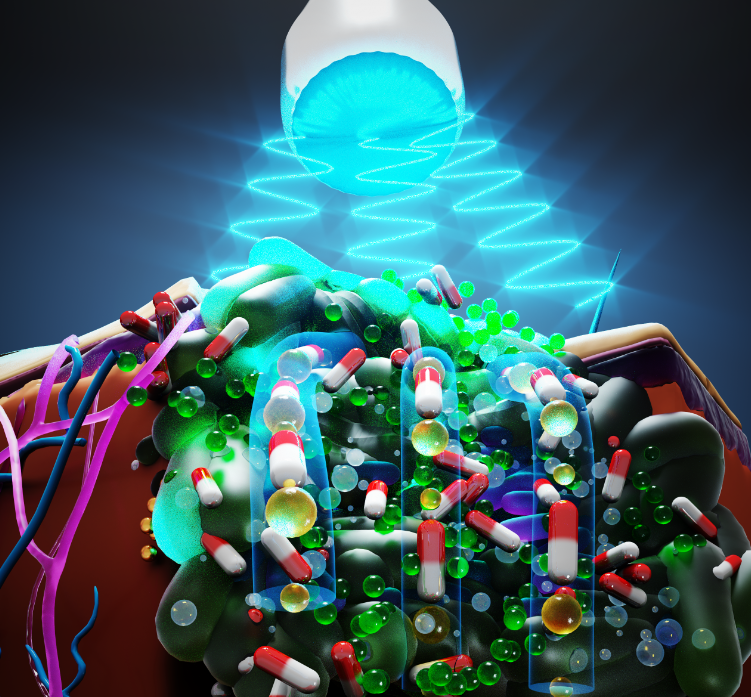
Using a new strategy, researchers were able to reduce the challenging MRSA infection in the wounds of diabetic mice by 94%. They were able to completely sterilize the wounds in several of the mice, and the rest had significantly reduced bacterial burden.
Chronic wounds are open sores or injured tissue that fail to heal properly. These types of wounds are notoriously challenging to treat because of bacterial infections like Staphylococcus aureus, or S. aureus. Additionally, bacterial infections that are highly resistant to antibiotics, such as methicillin-resistant S...
Read MoreExercise seems to Protect against Major Brain Hemorrhage
May 23, 2023,
Biology/Biotechnology, Health/Medical

Regular physical activity and exercise may reduce bleeding in individuals with intracerebral hemorrhage, a University of Gothenburg study shows. The researchers emphasize the importance of physical activity to protect the brain.
The study, published in the journal Stroke and Vascular Neurology, analyzed data on 686 people treated for intracerebral hemorrhage at Sahlgrenska University Hospital in Gothenburg during the years 2014 to 2019.
The results are based on a retrospective analysis. Causal connections cannot be identified, but the findings are nonetheless clear: Those who reported regular physical activity had smaller hemorrhages than those who reported being inactive.
Physically active was defined as engaging in at least light physical activity, such a...
Read More

Recent Comments