Category Health/Medical

Human brains explore more to avoid losses than to seek gains

Human brains explore more to avoid losses than to seek gains
Paradigm and learning behavior in loss versus gain conditions. Credit: Nature (2025). DOI: 10.1038/s41586-025-09466-1

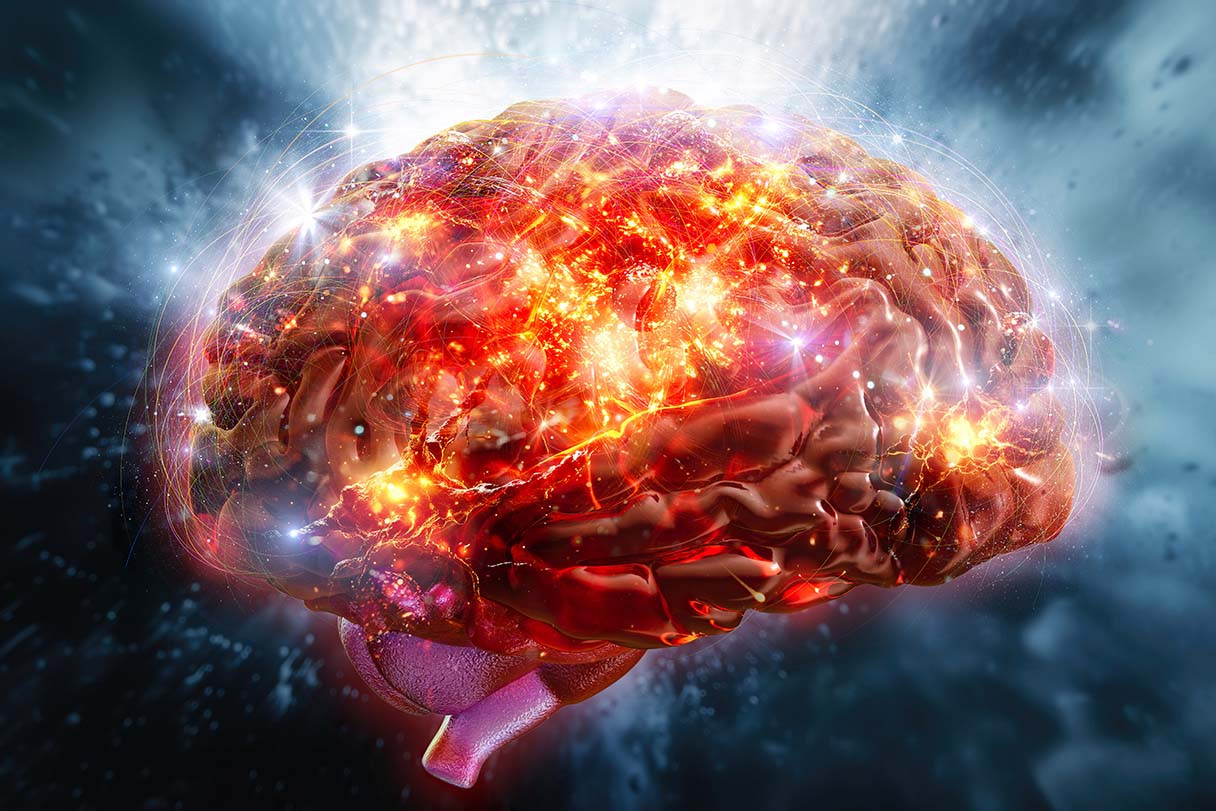
Researchers at the Weizmann Institute of Science traced a neural mechanism that explains why humans explore more aggressively when avoiding losses than when pursuing gains. Their work reveals how neuronal firing and noise in the amygdala shape exploratory decision-making.

Human survival has its origins in a delicate balance of exploration versus exploitation. There is safety in exploiting what is known, the local hunting grounds, the favorite foraging location, the go-to deli with the familiar menu...

Read More
Depression linked to presence of immune cells in the brain’s protective layer

Depression linked to presence of immune cells in the brain's protective layer
CSD stress leads to increased numbers of LysM+ myeloid cells in vascular channels connecting skull BM to meninges. Credit: Nature Communications (2025). DOI: 10.1038/s41467-025-62840-5

Immune cells released from bone marrow in the skull in response to chronic stress and adversity could play a key role in symptoms of depression and anxiety, say researchers.

The discovery—found in a study in mice—sheds light on the role that inflammation can play in mood disorders and could help in the search for new treatments, in particular for those individuals for whom current treatments are ineffective.

Around 1 billion people will be diagnosed with a mood disorder such as depression or anxiety at some point in their life...

Read More

DNA-based neural network learns from examples to solve problems

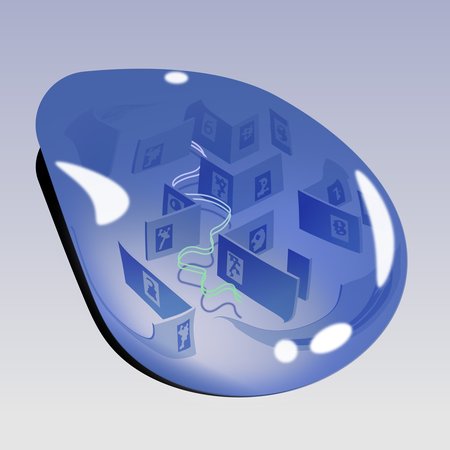
A blue droplet containing a maze of images and a green strand representing DNA
An abstract representation of DNA computation and learning in a droplet.Credit: Olivier Wyart & Ailadi Cortelletti

Neural networks are computing systems designed to mimic both the structure and function of the human brain. Caltech researchers have been developing a neural network made out of strands of DNA instead of electronic parts that carries out computation through chemical reactions rather than digital signals.

An important property of any neural network is the ability to learn by taking in information and retaining it for future decisions. Now, researchers in the laboratory of Lulu Qian, professor of bioengineering, have created a DNA-based neural network that can learn. The work represents a first step toward demonstrating more complex learning behaviors in chemical systems.

Read More

‘Young’ immune cells reverse signs of neurodegenerative brain changes in preclinical study

Cedars-Sinai investigators used “young” immune cells created from stem cells to reverse signs of aging in the brain. Image by Getty.

“Young” immune cells created by Cedars-Sinai investigators reversed signs of aging and Alzheimer’s disease in the brains of laboratory mice, according to a study published in the journal Advanced Science.

The immune cells, which were produced from human stem cells, could be used to develop new treatments for neurological conditions in humans.

“Previous studies have shown that transfusions of blood or plasma from young mice improved cognitive decline in older mice, but that is difficult to translate into a therapy,” said Clive Svendsen, Ph.D...

Read More