
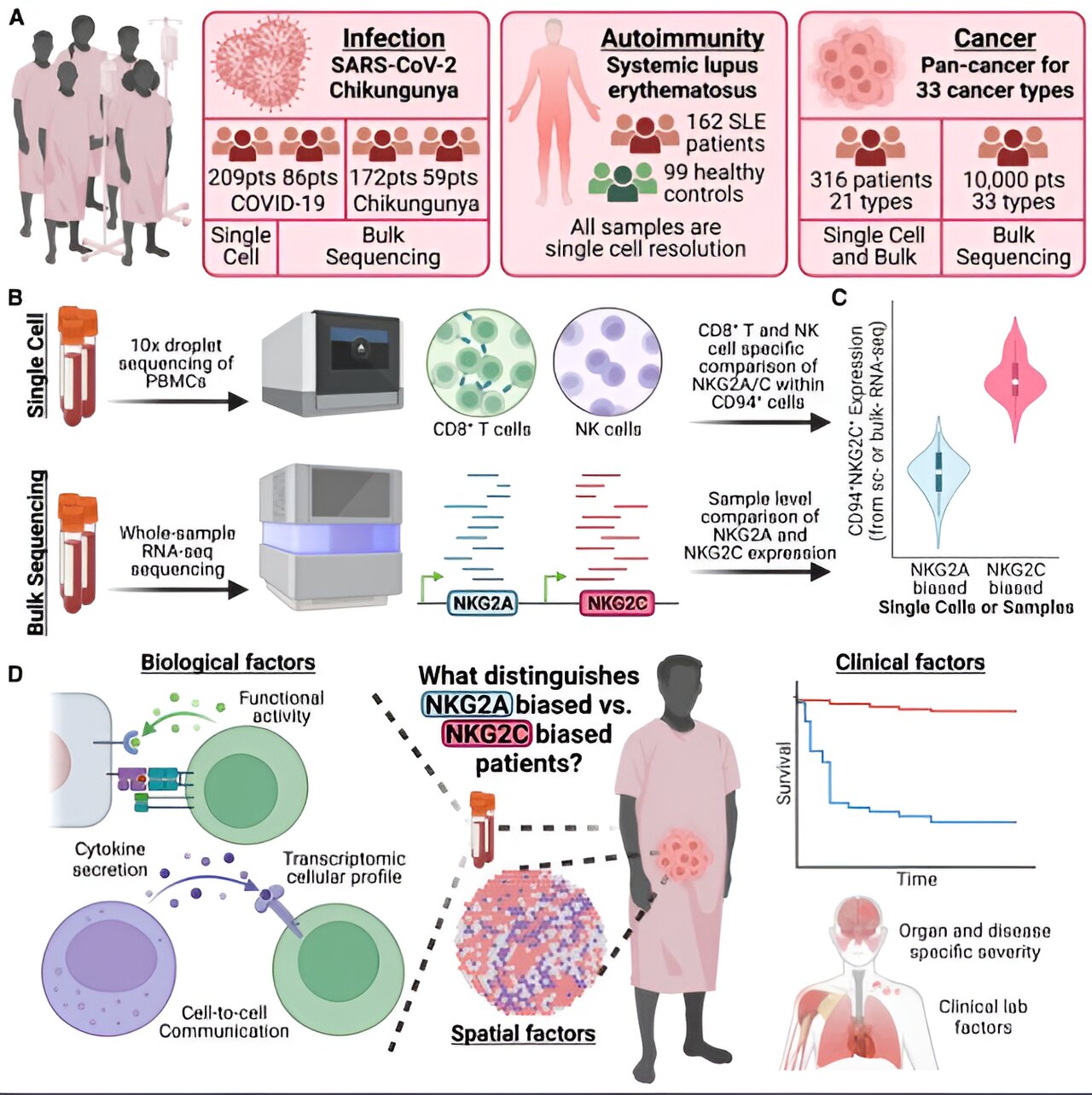
Combined, infection, autoimmunity and cancer account for 4 out of every 10 deaths worldwide, and represent major global health challenges...
Read More



March 5, 2024,
 Biology/Biotechnology, Health/Medical
Combined, infection, autoimmunity and cancer account for 4 out of every 10 deaths worldwide, and represent major global health challenges...
Read More
March 5, 2024,
Biology/Biotechnology, Health/Medical
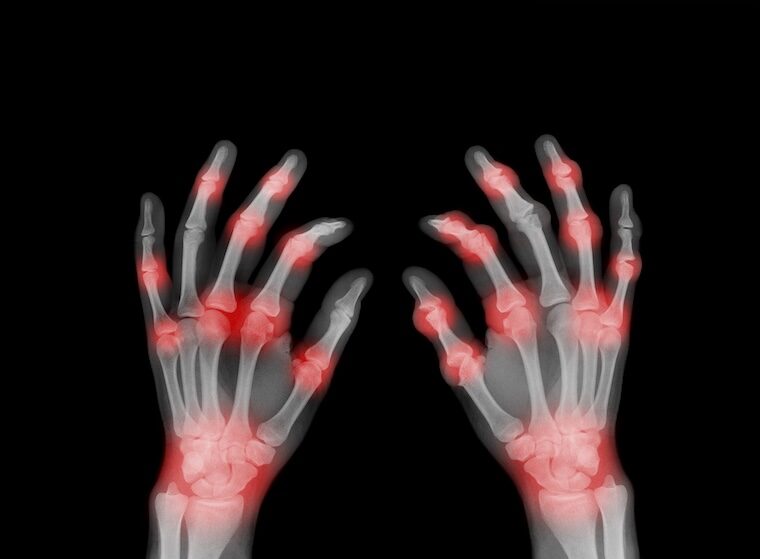
The new findings could lead to better treatments for rheumatoid arthritis, lupus and other inflammatory diseases – and may even help us slow aging.
Researchers have discovered how “leaky” mitochondria can drive harmful inflammation responsible for diseases such as lupus and rheumatoid arthritis. Scientists may be able to leverage the findings to develop better treatments for those diseases, improve our ability to fight off viruses and even slow aging.
The new discovery reveals how genetic material can escape from our cellular batteries, known as mitochondria, and prompt the body to launch a damaging immune response...
Read More
March 4, 2024,
Biology/Biotechnology, Health/Medical
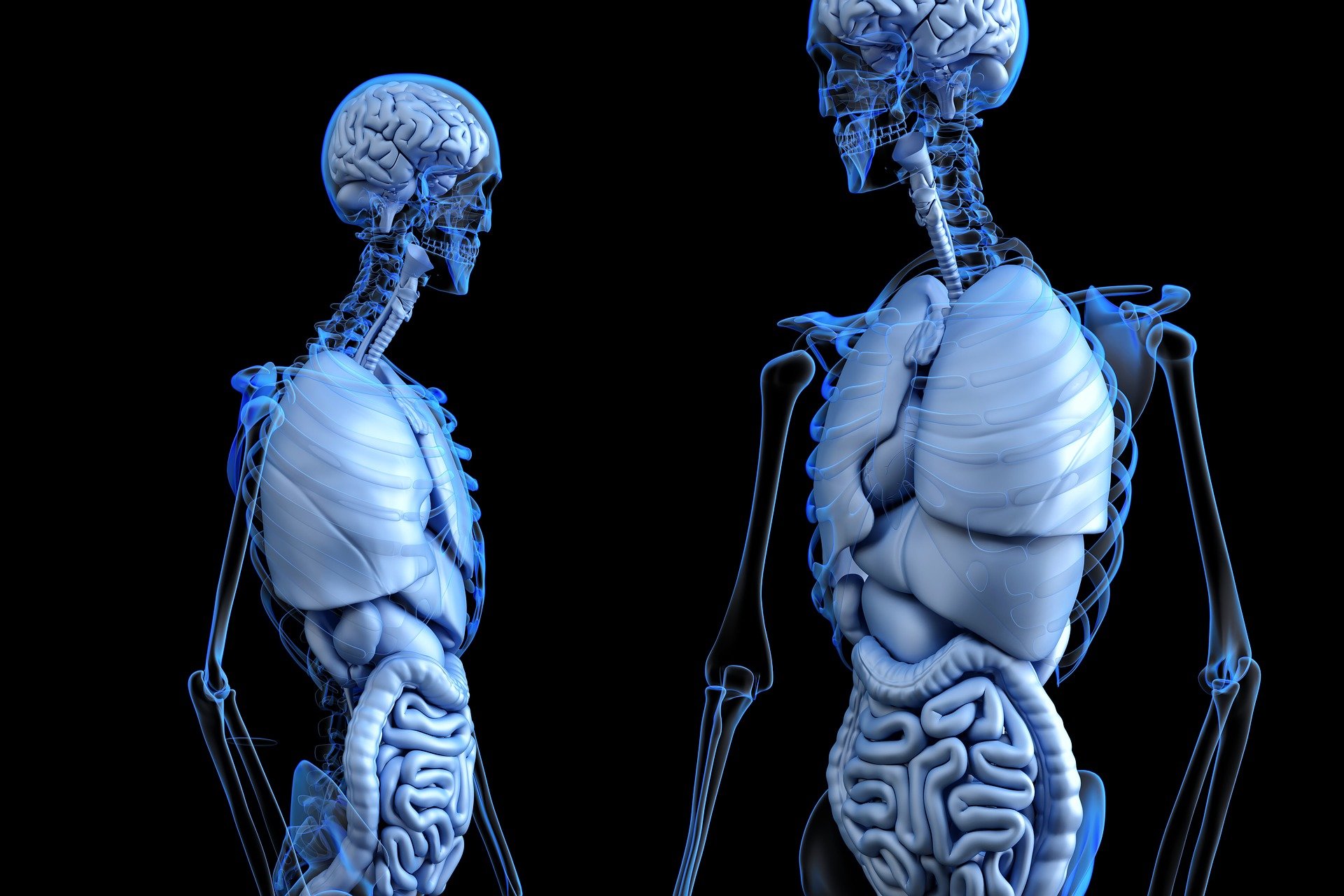
Study identifies multi-organ response to seven days without food. New findings reveal that the body undergoes significant, systematic changes across multiple organs during prolonged periods of fasting. The results demonstrate evidence of health benefits beyond weight loss, but also show that any potentially health-altering changes appear to occur only after three days without food.
The study, published in Nature Metabolism, advances our understanding of what’s happening across the body after prolonged periods without food.
By identifying the potential health benefits from fasting and their underlying molecular basis, researchers from Queen Mary University of London’s Precision Healthcare University Research Institute (PHURI) and the Norwegian School of S...
Read More
March 1, 2024,
Biology/Biotechnology, Health/Medical
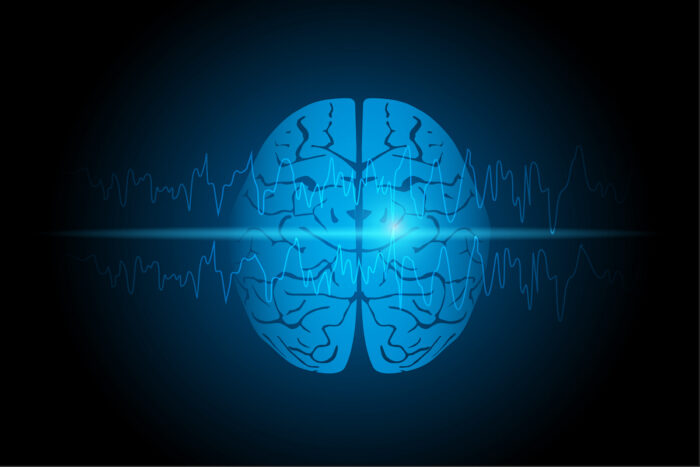
Researchers have found that brain cell activity during sleep is responsible for propelling fluid into, through and out of the brain, cleaning it of debris. Findings could lead to new approaches for Alzheimer’s, other neurological conditions.
There lies a paradox in sleep. Its apparent tranquility juxtaposes with the brain’s bustling activity. The night is still, but the brain is far from dormant. During sleep, brain cells produce bursts of electrical pulses that cumulate into rhythmic waves — a sign of heightened brain cell function.
But why is the brain active when we a...
Read More

Recent Comments