Category Health/Medical

Discovery of Mitochondrial Mechanism could provide New Options for Treating Inflammatory Diseases

Cellular 'power plants' control inflammation
Credit: Immunity (2024). DOI: 10.1016/j.immuni.2024.10.012

Whether cells in the human body survive or die under stress depends, among other things, on their mitochondria. Scientists at the Faculty of Medicine at the University of Freiburg have now shown that a sudden stop in energy production in mitochondria prevents normal cell death or so-called apoptosis and instead triggers an inflammatory response. The results of this research were published in the journal Immunity.

“We found that mitochondria provide a kind of decision-making aid: they regulate whether a cell undergoes clean, silent apoptosis or releases pro-inflammatory messenger substances,” explains Prof. Dr...

Read More
Reward-based Learning— Neuroscientists demonstrate Dopamine and Serotonin Work in Opposition to Shape Learning

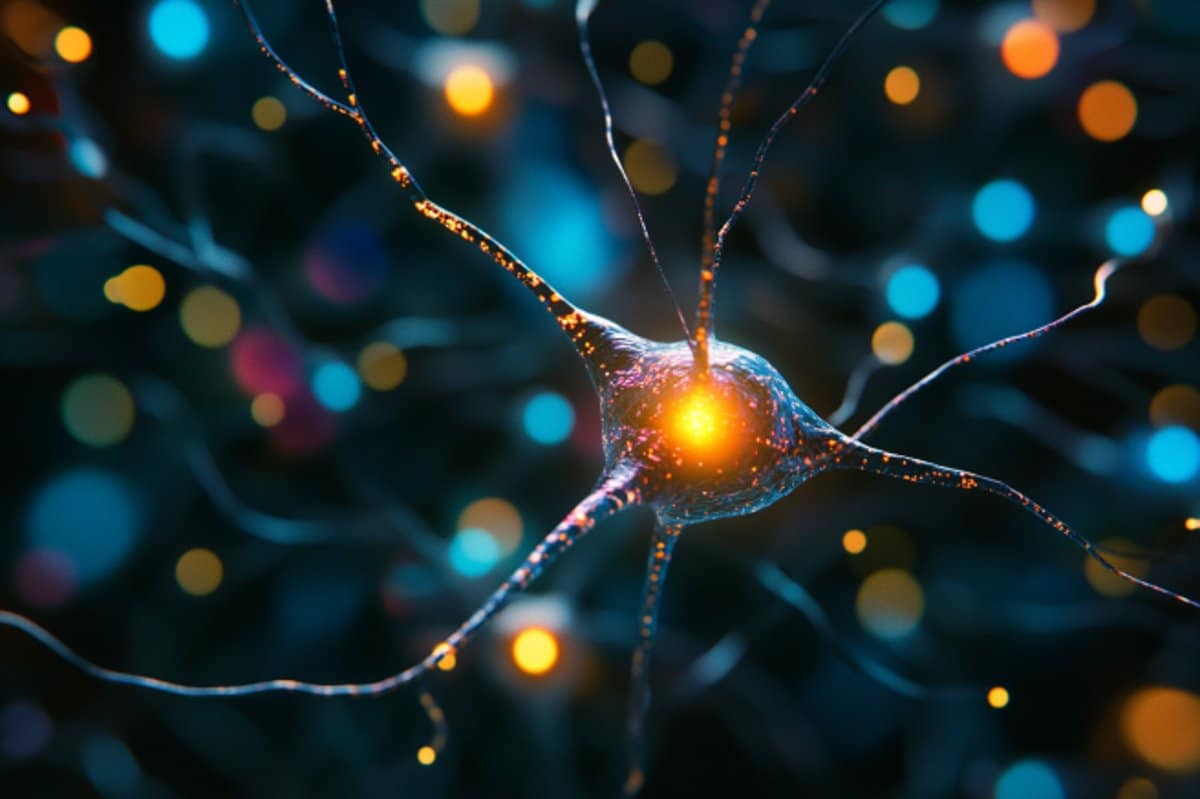
This shows a neuron.
They found that the dopamine and serotonin systems responded in opposite directions — dopamine signaling jumped up in response to the reward, while serotonin signaling fell. Credit: Neuroscience News

If you’ve heard of two of the brain’s chemical neurotransmitters, it’s probably dopamine and serotonin. Never mind that glutamate and GABA do most of the work—it’s the thrill of dopamine as the “pleasure chemical” and serotonin as a tender mood-stabilizer that attract all the headlines.

Of course, the headlines mostly get it wrong. Dopamine’s role in shaping behavior goes way beyond simple concepts like “pleasure” or even “reward”...

Read More

New insights into sleep uncover mechanisms with broad implications for boosting brainpower

Credit: AI-generated image

Discovery suggests broad implications for giving brain a boost. While it’s well known that sleep enhances cognitive performance, the underlying neural mechanisms, particularly those related to nonrapid eye movement (NREM) sleep, remain largely unexplored. A new study by a team of researchers at Rice University and Houston Methodist’s Center for Neural Systems Restoration and Weill Cornell Medical College, coordinated by Rice’s Valentin Dragoi, has nonetheless uncovered a key mechanism by which sleep enhances neuronal and behavioral performance, potentially changing our fundamental understanding of how sleep boosts brainpower.

The research, published in Science, reveals how NREM sleep — the lighter sleep one experiences when taking a nap, for example — fost...

Read More

Probiotic Delivers Anti-cancer Drug to the Gut

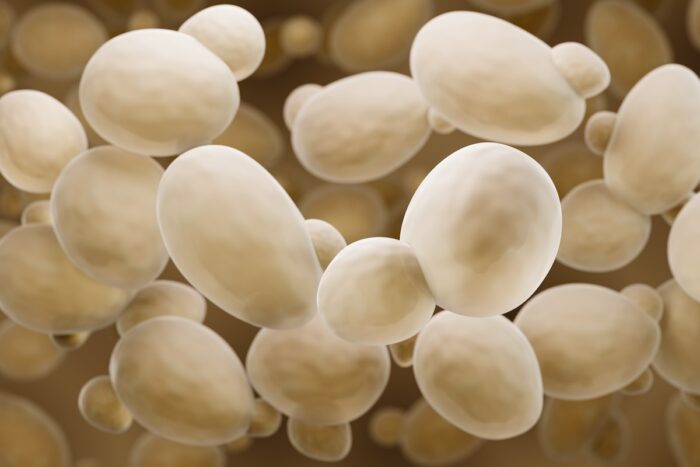
illustration of yeast Saccharomyces cerevisiae
Researchers at WashU Medicine shrink gastrointestinal tumors in mice using a yeast probiotic to deliver immunotherapy to the gut, offering a potentially novel strategy to target hard-to-reach gut cancers.

Oral immunotherapy shrinks gastrointestinal tumors in mouse study

Immunotherapy is a promising treatment that recruits the immune system to help fight cancer, but it has had limited success in gastrointestinal cancers. Now, researchers at Washington University School of Medicine in St. Louis have engineered a probiotic that delivers immunotherapy directly to the gut to shrink tumors in mice, offering a potentially promising oral drug for hard-to-reach cancers.

The probiotic cancer treatment, described Nov...

Read More