Category Health/Medical

Smart Fabric Converts Body Heat into Electricity

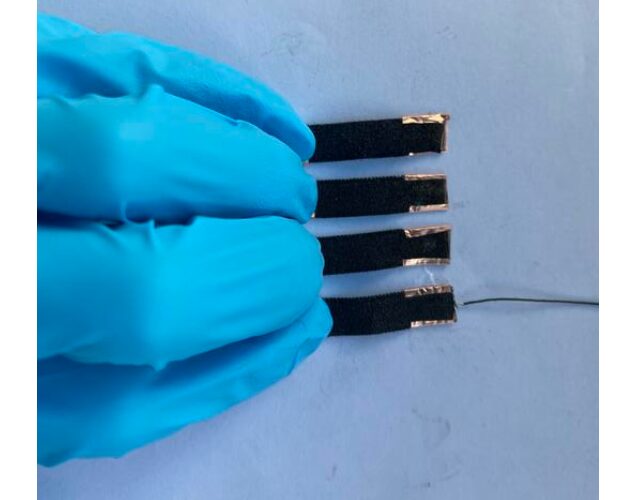
Black strip of fibre is coated with MXene that allows the fabric to absorb sunlight and body heat and convert it to energy.
Credit
University of Waterloo

Breakthrough in smart fabric for sensing and energy harvesting. Researchers have developed a smart fabric that can convert body heat and solar energy into electricity, potentially enabling continuous operation with no need for an external power source. Different sensors monitoring temperature, stress, and more can be integrated into the material.

Imagine a coat that captures solar energy to keep you cozy on a chilly winter walk, or a shirt that can monitor your heart rate and temperature.Picture clothing athletes can wear to track their performance without the need for bulky battery packs.

University of Waterloo researchers have d...

Read More
Significant Link found between Heme Iron, found in Red Meat and other Animal Products, and Type 2 Diabetes Risk

Study Overview: https://www.nature.com/articles/s42255-024-01109-5

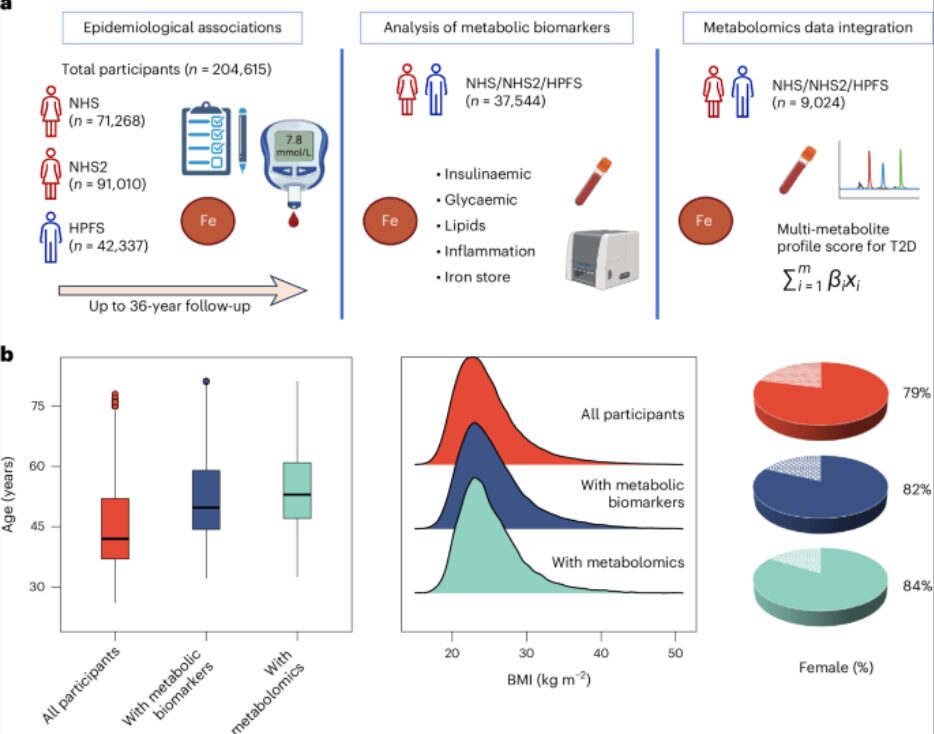
Higher intake of heme iron, the type found in red meat and other animal products — as opposed to non-heme iron, found mostly in plant-based foods — was associated with a higher risk of developing type 2 diabetes (T2D) in a new study led by researchers at Harvard T.H. Chan School of Public Health. While the link between heme iron and T2D has been reported previously, the study’s findings more clearly establish and explain the link.

“Compared to prior studies that relied solely on epidemiological data, we integrated multiple layers of information, including epidemiological data, conventional metabolic biomarkers, and cutting-edge metabolomics,” said lead author Fenglei Wang, research associate in the Department of Nutr...

Read More

Serotonin Changes how People Learn and Respond to Negative Information

Fig. 1
Selective serotonin releasing agent is not negated by 5-HT1A supersensitivity, resulting in a rapid onset of pro-serotonergic activity.

Increasing serotonin can change how people learn from negative information, as well as improving how they respond to it, according to a new study published in the journal Nature Communications.

The study by scientists at the University of Oxford’s Department of Psychiatry and the National Institute of Health and Care Research (NIHR) Oxford Health Biomedical Research Center (OH BRC) found people with increased serotonin levels had reduced sensitivity to punishing outcomes (for example, losing money in a game) without significantly affecting sensitivity to rewarding ones (winning money).

The study involved 26 participants who were given the drug t...

Read More

Do Plastics Cause Autism? Here’s what the latest study really says

A study out recently has prompted much media attention about the role of plastics in developing autism.

In particular, the study focused on exposure to a component of hard plastics—bisphenol A, or BPA—in the womb and the risk of boys developing this neurodevelopmental disorder.

Importantly, the study doesn’t show plastics containing BPA cause autism.

But it suggests BPA might play a role in estrogen levels in infant and school-aged boys, which can then affect their chance of being diagnosed with autism.

Let’s tease out the details.

Remind me, what is BPA?
BPA is a component of hard plastics that has been used for a few decades. Because BPA is found in plastics used for food and some drink containers, many people are exposed to low levels of BPA every day.

But conc...

Read More