
Category Uncategorized

You may be Breathing in More Tiny Nanoparticles from Your Gas Stove than from Car Exhaust

boor-portrait
Brandon Boor, a Purdue associate professor of civil engineering, studies how everyday activities like cooking on a gas stove can affect indoor air quality. (Purdue University image/Kelsey Lefever)

Gas stoves emit nanocluster aerosol that may get deep into your respiratory system, study shows. Cooking on your gas stove can emit more nano-sized particles into the air than vehicles that run on gas or diesel, possibly increasing your risk of developing asthma or other respiratory illnesses, a new Purdue University study has found.

Combustion remains a source of air pollution across the world, both indoors and outdoors...

Read More
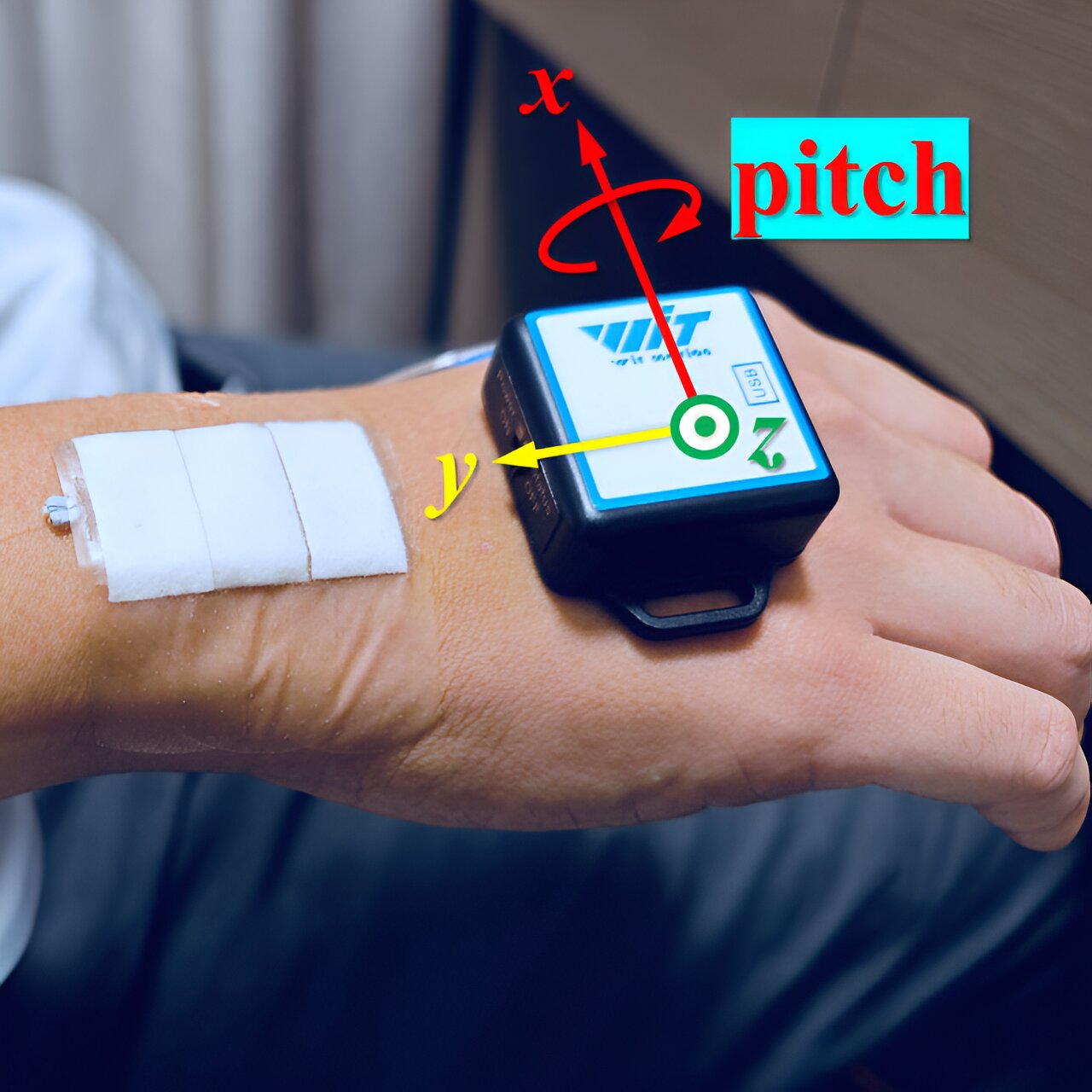

Wearable Sticker turns Hand Movements into Communication

Wearable sticker turns hand movements into communication
Researchers have developed a wearable PDMS sensor that uses a FBG to sense movements. The sensors could be used to monitor wrist, finger or even facial movements. Credit: Kun Xiao, Beijing Normal University in China

Imagine wearing a thin flexible sticker that can turn your hand or finger movement into communication without you having to say a word or tap a touch screen. Researchers have developed a new type of wearable sensor that can accomplish this futuristic feat and could open new possibilities for rehabilitation applications and help those with disabilities to communicate more easily.

The new sensor combines a soft and flexible material called polydimethylsiloxane, or PDMS, with an optical component known as a fiber Bragg grating (FBG)...

Read More

Metal Scar found on Cannibal Star

A bright white-blue sphere, a star, sits in the upper left of this image on a deep blue background. The top of the star is shaded darker, and it is accompanied by white-blue spherical curved lines that close on the star at its top and bottom. In front of this, in the bottom and right of the image, are many almost black rocky chunks. Parts of them are lighter, lit up where they are facing the star.
When a star like our Sun reaches the end of its life, it can ingest the surrounding planets and asteroids that were born with it. Now, using the European Southern Observatory’s Very Large Telescope (ESO’s VLT) in Chile, researchers have found a unique signature of this process for the first time — a scar imprinted on the surface of a white dwarf star. The results are published today in The Astrophysical Journal Letters.

When a star like our Sun reaches the end of its life, it can ingest the surrounding planets and asteroids that were born with it. Now, using the European Southern Observatory’s Very Large Telescope (ESO’s VLT) in Chile, researchers have found a unique signature of this process for the first time — a scar imprinted on the surface of a white dwarf star...

Read More

Long-term Analysis reveals SARS-CoV-2 Infection and Vaccine-induced Antibody Responses are Long-Lasting

research

A long-term analysis conducted by leading microbiologists at the Icahn School of Medicine at Mount Sinai reveals that antibody responses induced by COVID-19 vaccines are long-lasting. The study results, published online in the journal Immunity challenge the idea that mRNA-based vaccine immunity wanes quickly.

The emergence of SARS-CoV-2, the virus that causes COVID-19, in late 2019 sparked the global pandemic that is now in its fifth year. Vaccines that were developed at record speed have saved millions of lives. However, the emergence of SARS-CoV-2 variants and waning immunity have decreased the effectiveness of the vaccines against symptomatic disease. The common perception now is that mRNA-based vaccine-induced immunity wanes quickly.

However, this assumption is largely based...

Read More