Category Uncategorized

Immune Genes are Altered in Alzheimer’s Patients’ Blood

A new Northwestern Medicine study has found the immune system in the blood of Alzheimer’s patients is epigenetically altered. That means the patients’ behavior or environment has caused changes that affect the way their genes work.
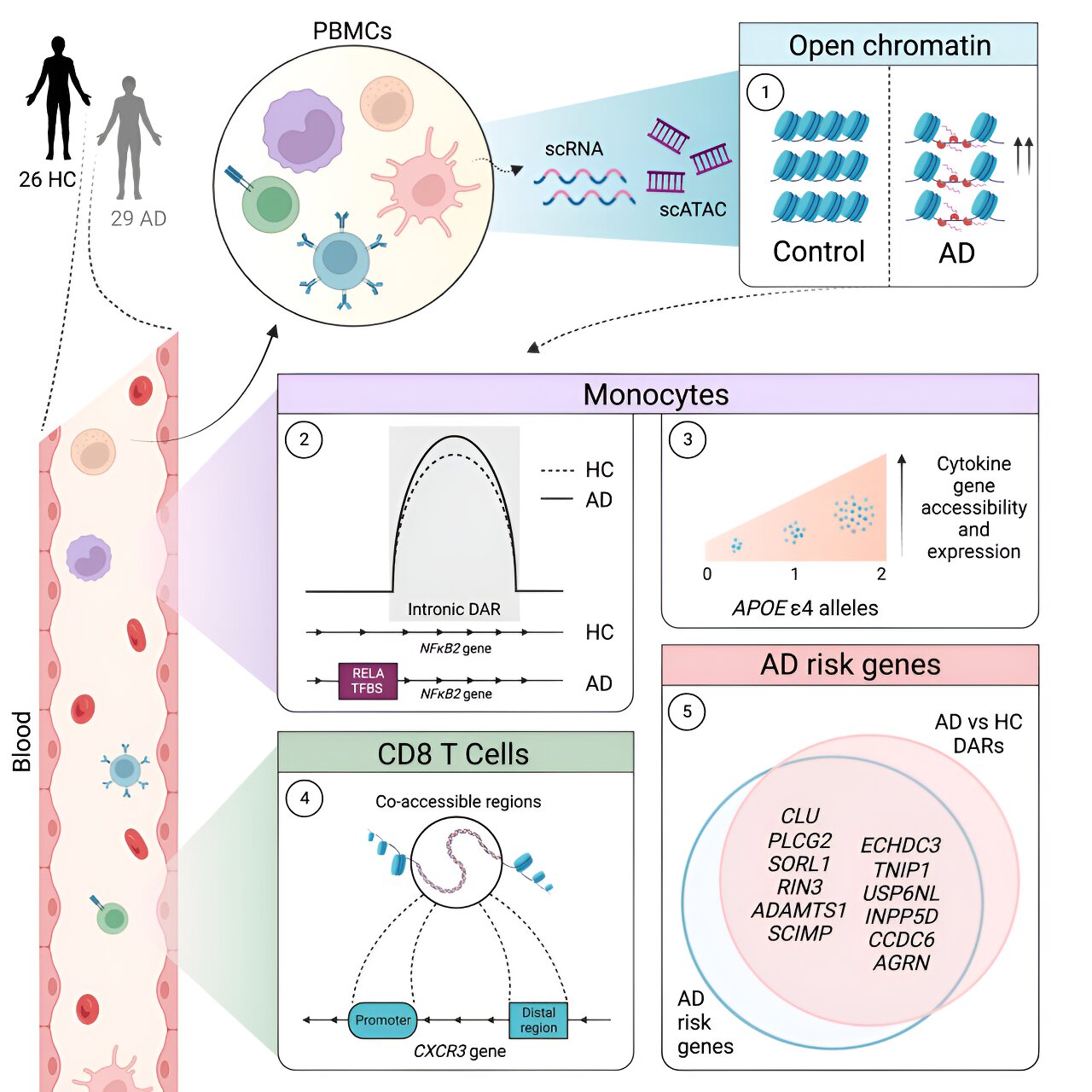
Immune genes are altered in Alzheimer's patients' blood
Credit: Neuron (2024). DOI: 10.1016/j.neuron.2024.01.013

Many of these altered immune genes are the same ones that increase an individual’s risk for Alzheimer’s. Northwestern scientists theorize the cause could be a previous viral infection, environmental pollutants or other lifestyle factors and behaviors.

“It is possible that these findings implicate the peripheral immune response in Alzheimer’s disease risk,” said lead investigator David Gate, assistant professor of neurology at Northwestern University Feinberg School of Medicine...

Read More
AI in the Developing World: How ‘Tiny Machine Learning’ can have a Big Impact

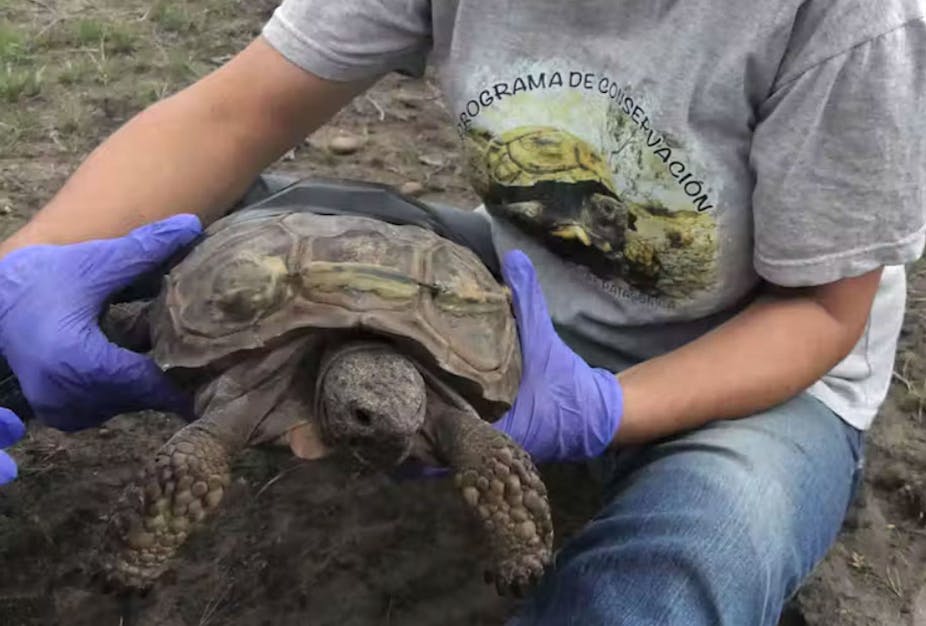
A team in Argentina is using sensors based on TinyML technology to study Chelonoidis chilensis tortoises. Little is known about its biology and the species is in a vulnerable state. The small sensors, in black on the shell, are small enough to allow the animal to move freely. Author provided

The landscape of artificial intelligence (AI) applications has traditionally been dominated by the use of resource-intensive servers centralized in industrialized nations. However, recent years have witnessed the emergence of small, energy-efficient devices for AI applications, a concept known as tiny machine learning (TinyML).

We’re most familiar with consumer-facing applications such as Siri, Alexa, and Google Assistant, but the limited cost and small size of such devices allow them to be d...

Read More

Researchers Discover Cosmic Dust Storms from Type 1a Supernova

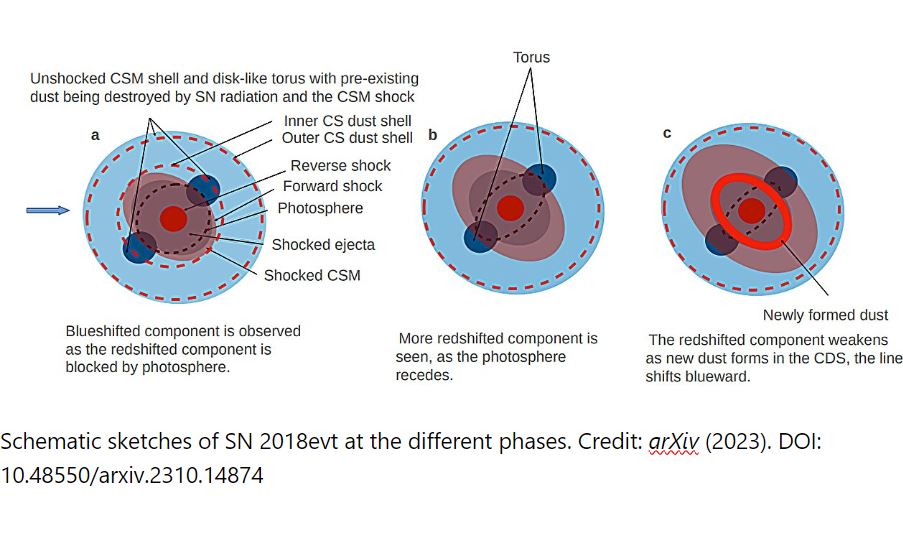
Cosmic dust—like dust on Earth—comprises groupings of molecules that have condensed and stuck together in a grain. But the exact nature of dust creation in the universe has long been a mystery. Now, however, an international team of astronomers from China, the United States, Chile, the United Kingdom, Spain, etc., has made a significant discovery by identifying a previously unknown source of dust in the universe: a Type 1a supernova interacting with gas from its surroundings.

The study was published in Nature Astronomy on Feb. 9, and was led by Prof. Wang Lingzhi from the South America Center for Astronomy of the Chinese Academy of Sciences.

Supernovae have been known to play a role in dust formation, and to date, dust formation has only been seen in core-collapse supernovae...

Read More

Hubble detects Celestial ‘String of Pearls’ Star Clusters in Galaxy Collisions

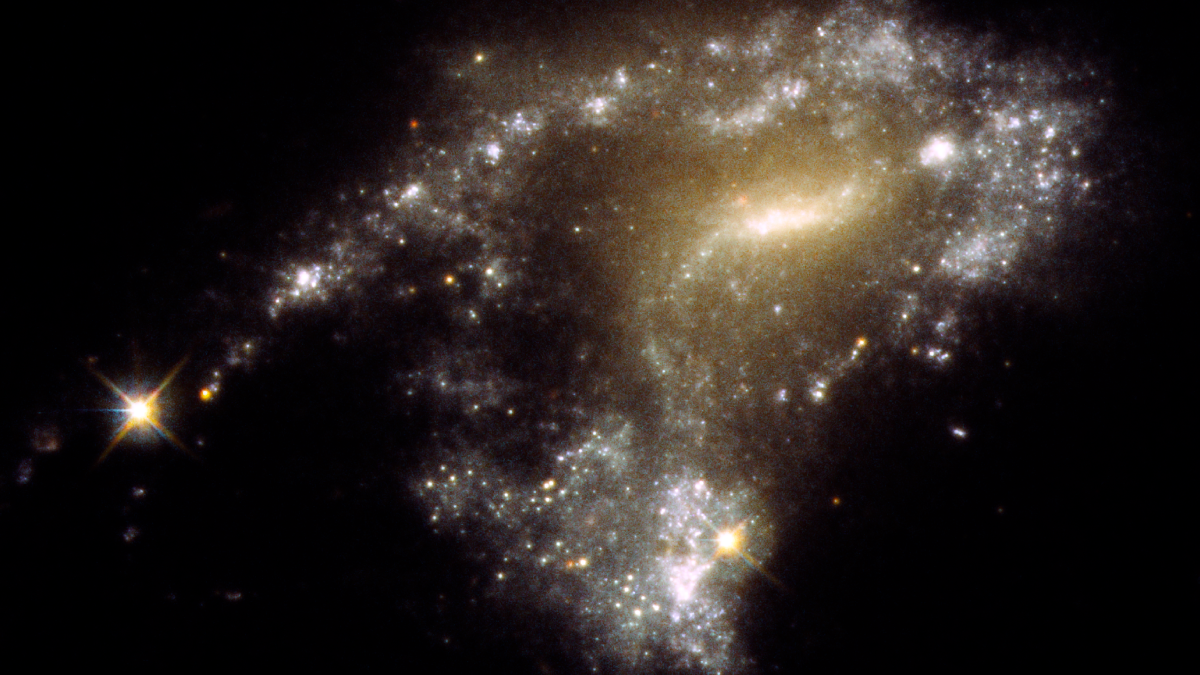
Image of galaxy collision in space
Galaxy AM 1054-325 has been distorted into an S-shape from a normal pancake-like spiral shape by the gravitational pull of a neighboring galaxy, seen in this Hubble Space Telescope image. A consequence of this is that newborn clusters of stars form along a stretched-out tidal tail for thousands of light-years, resembling a string of pearls. They form when knots of gas gravitationally collapse to create about 1 million newborn stars per cluster. Image credit: NASA, ESA, STScI, Jayanne English (University of Manitoba)

When spectacular cosmic events such as galaxy collisions occur, it sets off a reaction to form new stars, and possibly new planets that otherwise would not have formed...

Read More