Category Uncategorized

Light used to detect Quantum Information Stored in 100,000 Nuclear Quantum Bits

Quantum particles

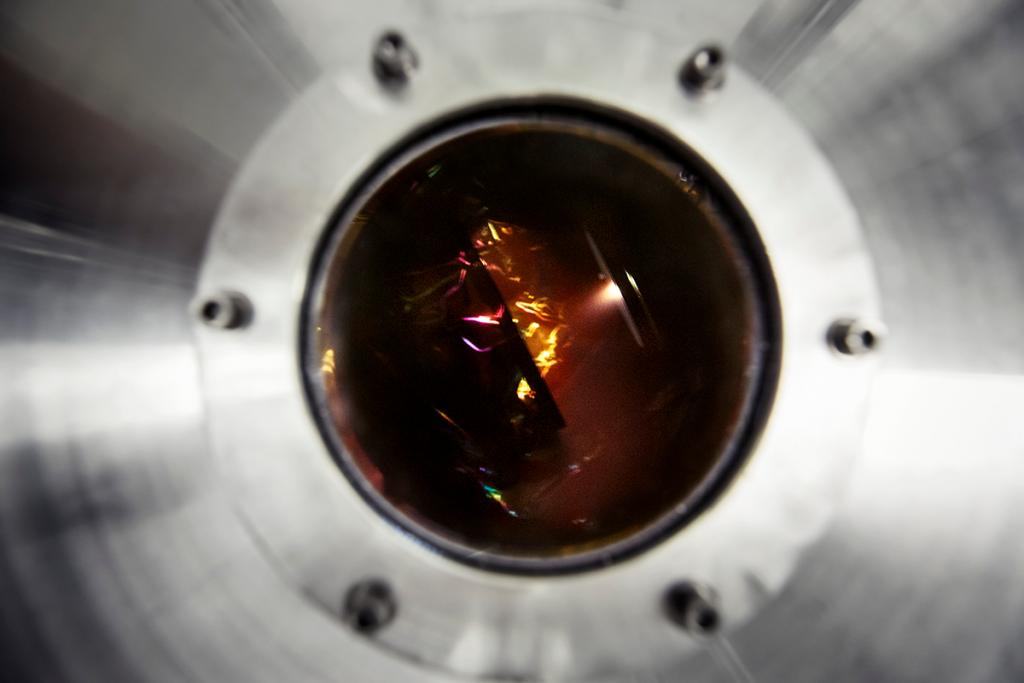
Researchers have found a way to use light and a single electron to communicate with a cloud of quantum bits and sense their behaviour, making it possible to detect a single quantum bit in a dense cloud.

The researchers, from the University of Cambridge, were able to inject a ‘needle’ of highly fragile quantum information in a ‘haystack’ of 100,000 nuclei. Using lasers to control an electron, the researchers could then use that electron to control the behaviour of the haystack, making it easier to find the needle. They were able to detect the ‘needle’ with a precision of 1.9 parts per million: high enough to detect a single quantum bit in this large ensemble.

The technique makes it possible to send highly fragile quantum information optically to a nuclear system for storage, and ...

Read More
Commuters are Inhaling Unacceptably High levels of Carcinogens

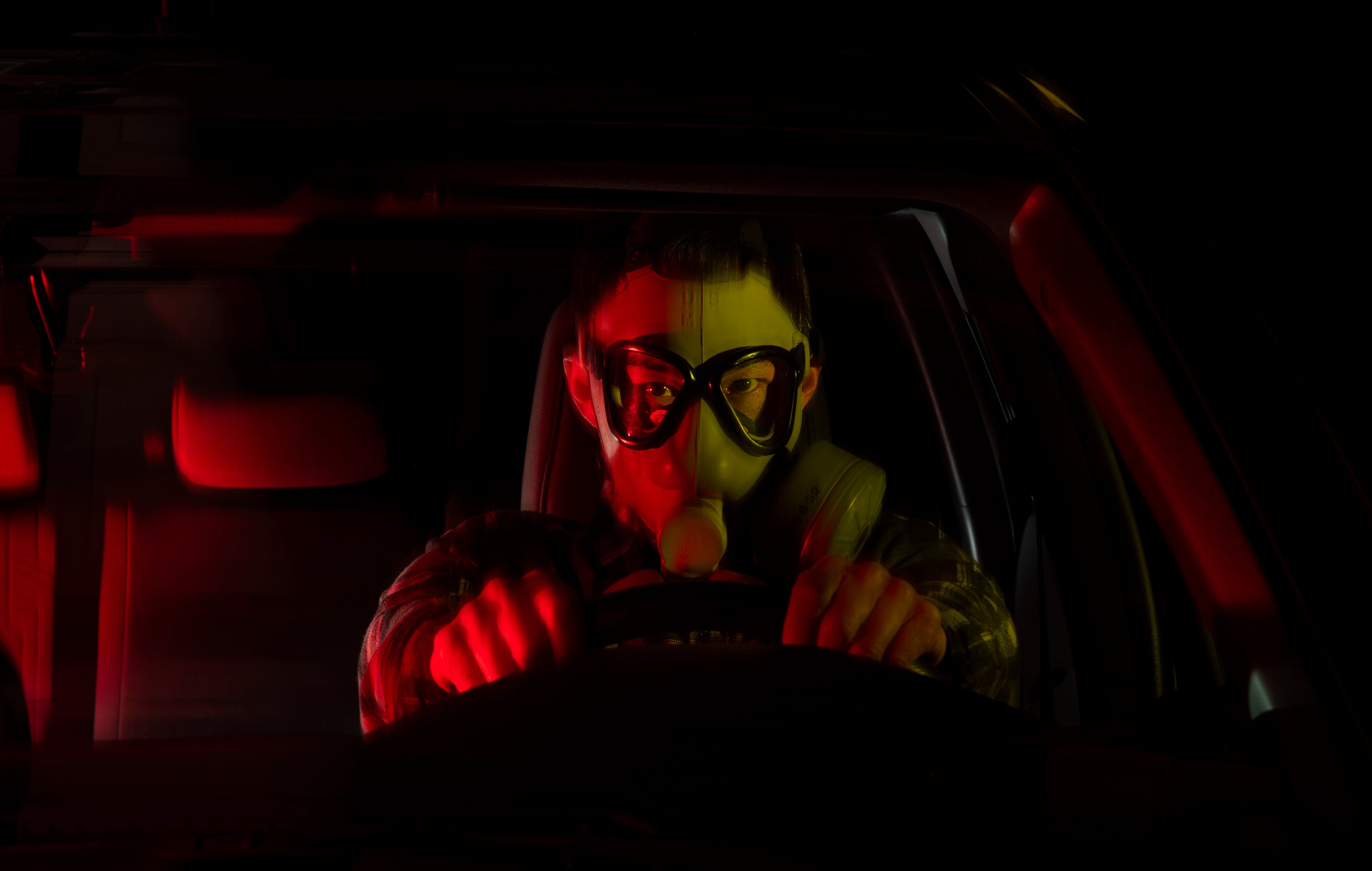
Driver wearing protective equipment. (Stan Lim/UCR)

Twenty minutes or longer in the car also raises risk of birth defects. A new study finds that California’s commuters are likely inhaling chemicals at levels that increase the risk for cancer and birth defects.

As with most chemicals, the poison is in the amount. Under a certain threshold of exposure, even known carcinogens are not likely to cause cancer. Once you cross that threshold, the risk for disease increases.

Governmental agencies tend to regulate that threshold in workplaces. However, private spaces such as the interior of our cars and living rooms are less studied and less regulated.

Benzene and formaldehyde — both used in automobile manufacturing — are known to cause cancer at or above certain levels of exposure and...

Read More

Astronomers confirm Solar System’s Most Distant known object is indeed Farfarout

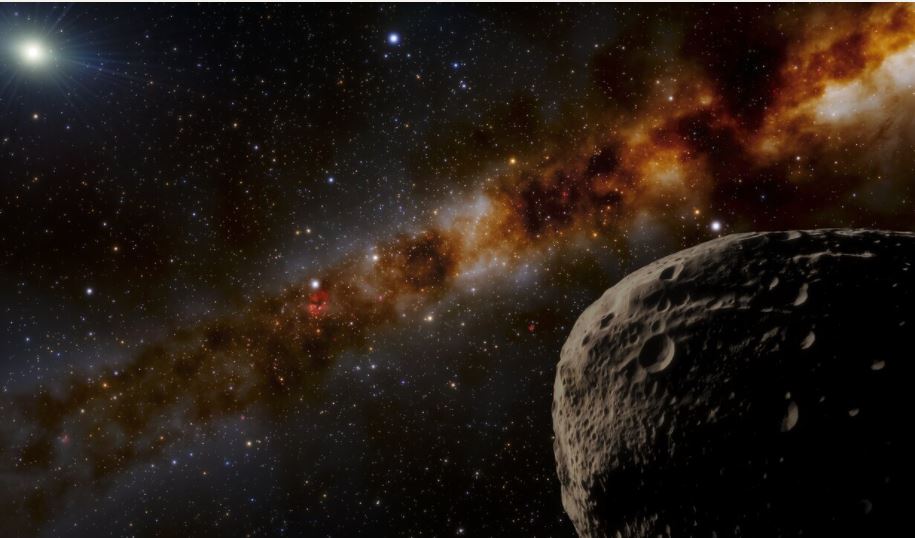
With the help of the international Gemini Observatory, a Program of NSF’s NOIRLab, and other ground-based telescopes, astronomers have confirmed that a faint object discovered in 2018 and nicknamed “Farfarout” is indeed the most distant object yet found in our Solar System. The object has just received its designation from the International Astronomical Union.

With the help of the international Gemini Observatory, a Program of NSF’s NOIRLab, and other ground-based telescopes, astronomers have confirmed that a faint object discovered in 2018 and nicknamed “Farfarout” is indeed the most distant object yet found in our Solar System. The object has just received its designation from the International Astronomical Union.

Farfarout was first spotted in January 2018 by the Subaru Tel...

Read More

Producing Green Hydrogen through the exposure of Nanomaterials to Sunlight

Sunlight and nanostructured electrodes are the two ingredients used by INRS Professor My Ali El Khakani and a team from ICPEES in France to produce green hydrogen.

A research team from the Institut national de la recherche scientifique (INRS) has joined forces with French researchers from the Institute of Chemistry and Processes for Energy, Environment and Health (ICPEES), a CNRS-University of Strasbourg joint research lab, to pave the way towards the production of green hydrogen. This international team has developed new sunlight-photosensitive-nanostructured electrodes. The results of their research were published in the November 2020 issue of the journal of Solar Energy Materials and Solar Cells.

Hydrogen is being considered by several countries of the Organisation for Economic C...

Read More