One Fruit, 1600 Compounds, Countless Health Benefits

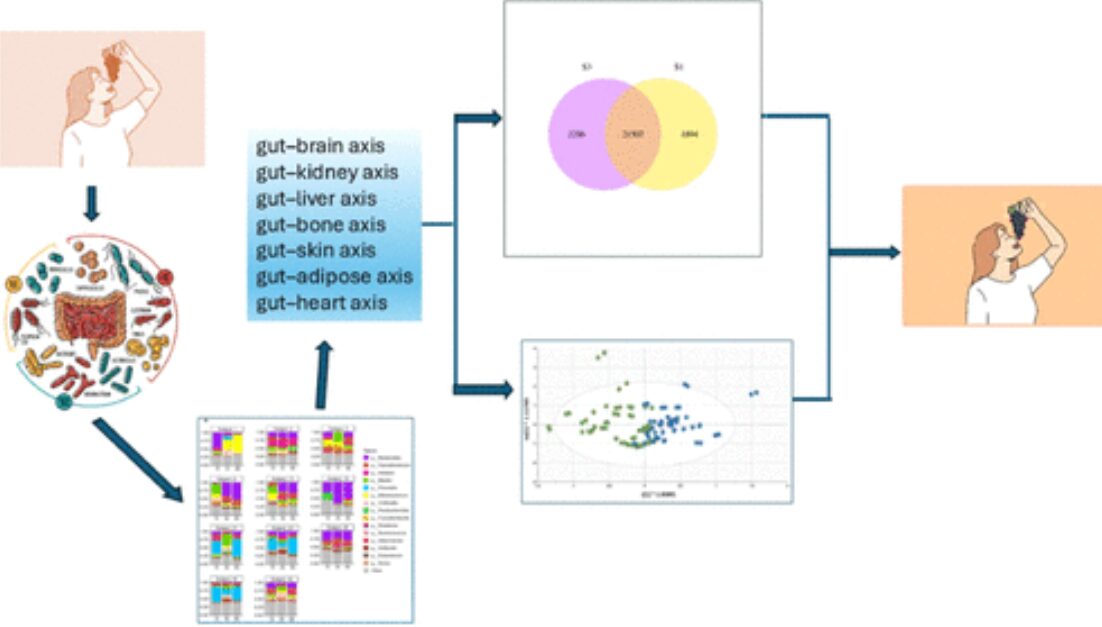
Fresh grapes contain a potent mix of over 1,600 compounds that benefit heart, brain, skin, and gut health. New evidence suggests they deserve official superfood recognition, with benefits even at the genetic level.

A new article appearing in the current issue of the peer-reviewed Journal of Agriculture and Food Chemistry explores the concept of “superfoods” and makes a case that fresh grapes have earned what should be a prominent position in the superfood family. The author, leading resveratrol and cancer researcher John M. Pezzuto, Ph.D., D.Sc., Dean of the College of Pharmacy and Health Sciences at Western New England University, brings forth an array of evidence to support his perspective on this issue.

As noted in the article, the term “superfood” is a common word without an...

Read More
Organic molecule achieves both strong light emission and absorption for displays and imaging

Dual-function organic molecule may advance display technologies and medical imaging
This image depicts the structure of the proposed organic molecule, alongside the energy level diagrams of two-photon absorption (left side) and thermally activated delayed fluorescence (right side). Credit: Youhei Chitose/Kyushu University

Researchers at Kyushu University have developed a novel organic molecule that simultaneously exhibits two highly sought-after properties: efficient light emission suitable for advanced displays and strong light absorption for deep-tissue bioimaging. This breakthrough addresses a long-standing challenge in molecular design, paving the way for next-generation multifunctional materials.

Their study, published online in the journal Advanced Materials on July 29, 2025, was conducted in collaboration with the National Taipei University of Technology and...

Read More

A laser-propelled mini spacecraft could travel to a nearby black hole, astrophysicist says

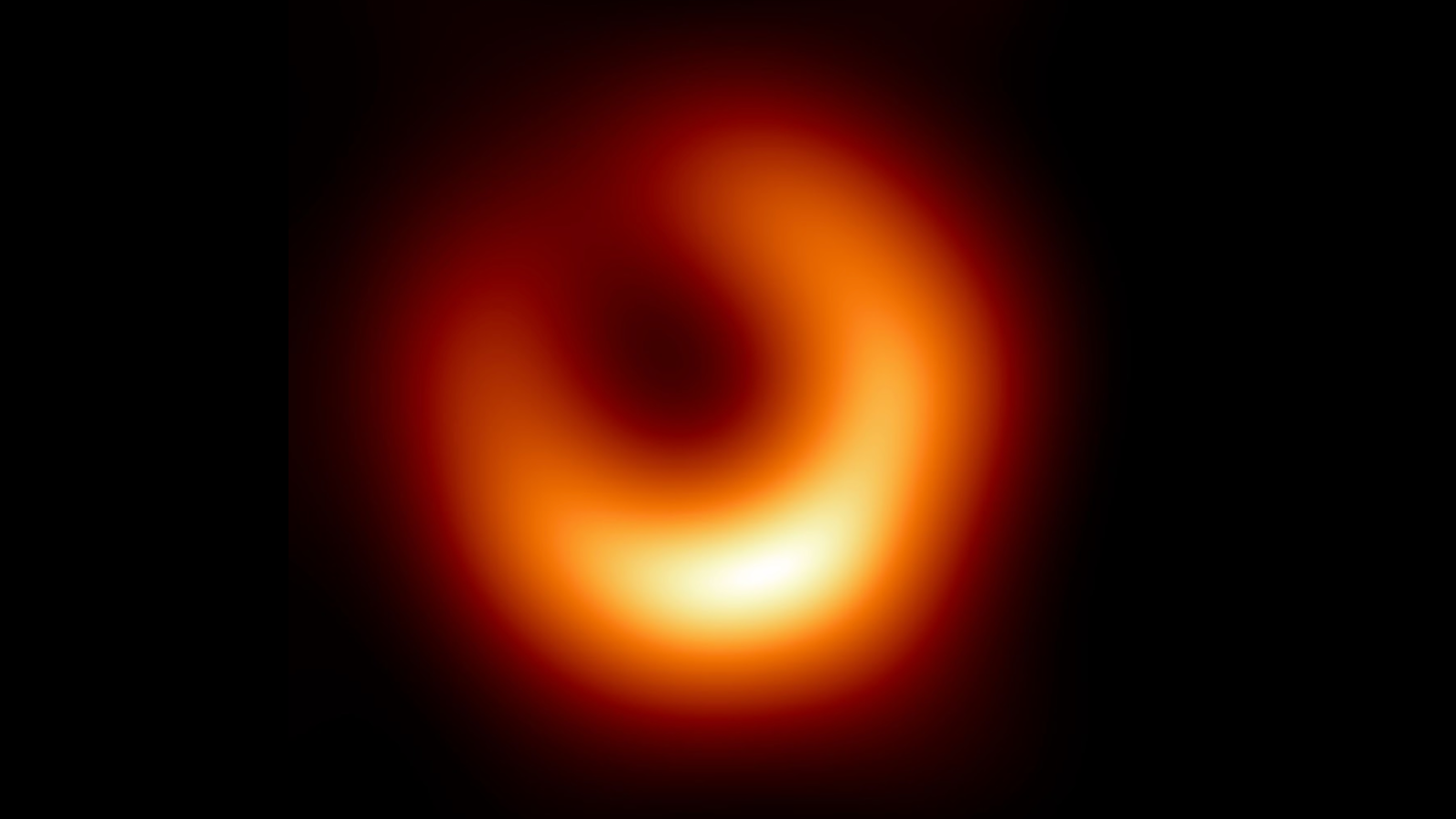
A fuzzy golden ring against a dark background
A second image of M87* the first black hole seen by humanity as it appeared in April 2018 (Image credit: EHT Collaboration) 

Future technology could one day allow a miniature, laser-propelled spacecraft — no heavier than a paperclip — to travel to a nearby black hole, according to a bold new proposal published on Thursday (Aug. 7).

The ambitious mission would aim to test the limits of Albert Einstein’s theory of general relativity in one of the universe’s most extreme environments. It may sound like the plot of a sci-fi novel, but to cosmologist Cosimo Bambi, this idea is rooted in real physics — and could be achievable within our lifetime.

“It may sound really crazy, and in a sense closer to science fiction,” Bambi, who is a researcher in the department of physics at Fud...

Read More

Move over Mercury—Chiron is in retrograde: What even is Chiron?

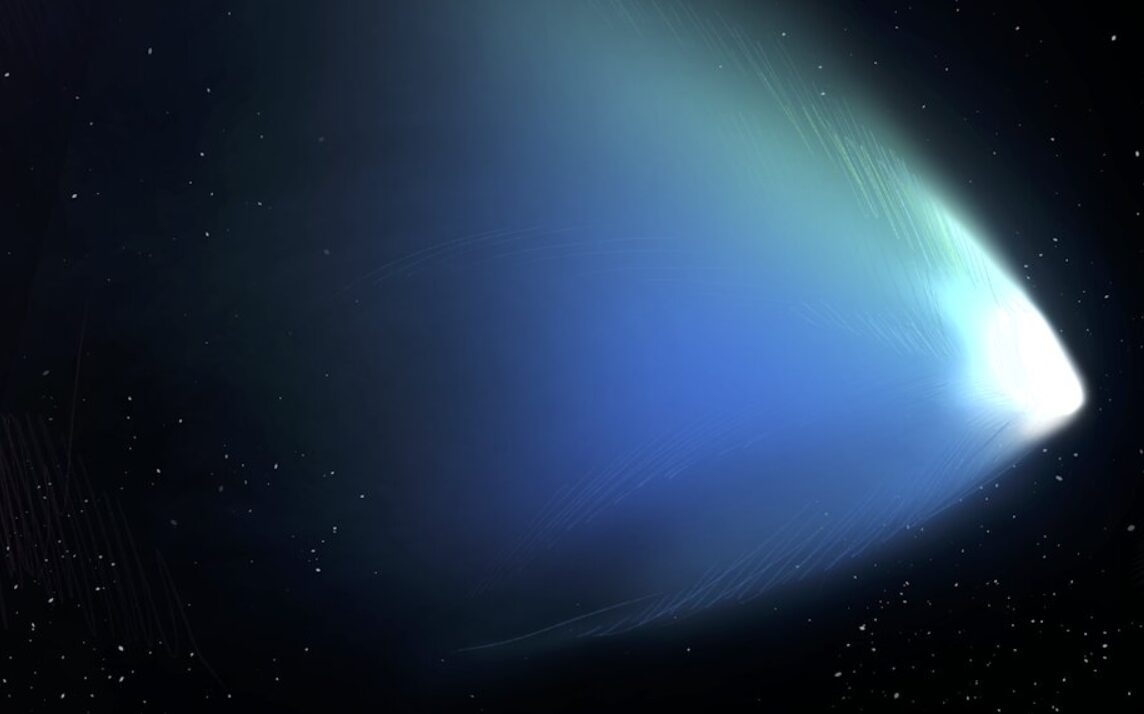
An artist’s impression of Chiron and its coma of gas. William Gonzalez Sierra / UCF

You might have seen an interesting phrase popping up in your social media feeds lately: “Chiron is in retrograde.” If you’re anything like me, you’ve never heard of Chiron before—and I’m a professional astronomer.

So what is Chiron, and what does it mean to be in retrograde? The short answer is that Chiron is an asteroid-slash-comet orbiting somewhere past Jupiter and Saturn. And until January 2026, it’s going to look like it’s going backwards in the sky. If you can spot it.

But there’s a bit more to the story.

What is Chiron?
Chiron’s official name is (2060) Chiron. First things first: it’s pronounced “kai-ruhn,” with a hard K sound.

It was discovered by astronomer Charles Kowal in 1977...

Read More