






New sound-based 3D-printing method enables finer, faster microdevices

New sound-based 3D-printing method enables finer, faster microdevices
PSP concept and 3D printed objects. Credit: Microsystems & Nanoengineering (2026). DOI: 10.1038/s41378-025-01035-w

Concordia researchers have developed a new 3D-printing technique that uses sound waves to directly print tiny structures onto soft polymers like silicone with far greater precision than before. The approach, called proximal sound printing, opens new possibilities for manufacturing microscale devices used in health care, environmental monitoring and advanced sensors. It is described in the journal Microsystems & Nanoengineering.

The technique relies on focused ultrasound to trigger chemical reactions that solidify liquid polymers exactly where printing is needed...

Read More
Microbes harvest metals from meteorites aboard space station

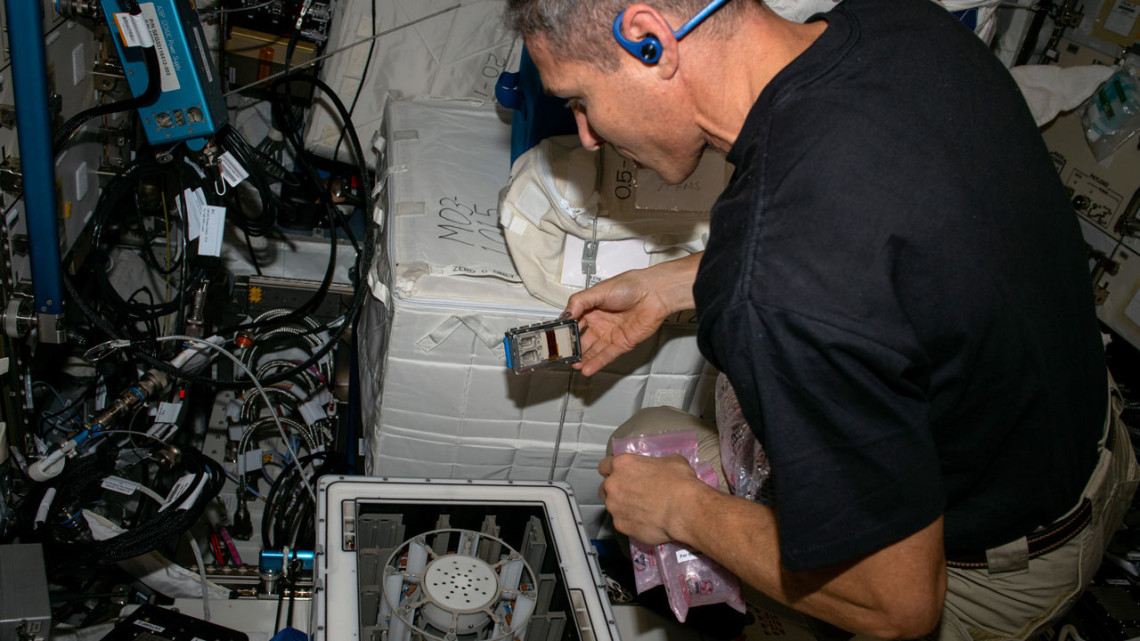
Michael Scott Hopkins performs a microgravity experiment on the International Space Station.

If humankind is to explore deep space, one small passenger should not be left behind: microbes. In fact, it would be impossible to leave them behind, since they live on and in our bodies, surfaces and food. Learning how they react to space conditions is critical, but they could also be invaluable fellows in our endeavor to explore space.

Microorganisms such as bacteria and fungi can harvest crucial minerals from rocks and could provide a sustainable alternative to transporting much-needed resources from Earth.

Researchers from Cornell and the University of Edinburgh collaborated to study how those microbes extract platinum group elements from a meteorite in microgravity, with an experimen...

Read More

Gut bacteria can sense their environment and it’s key to your health

Gut Bacteria Can Sense Their Environment
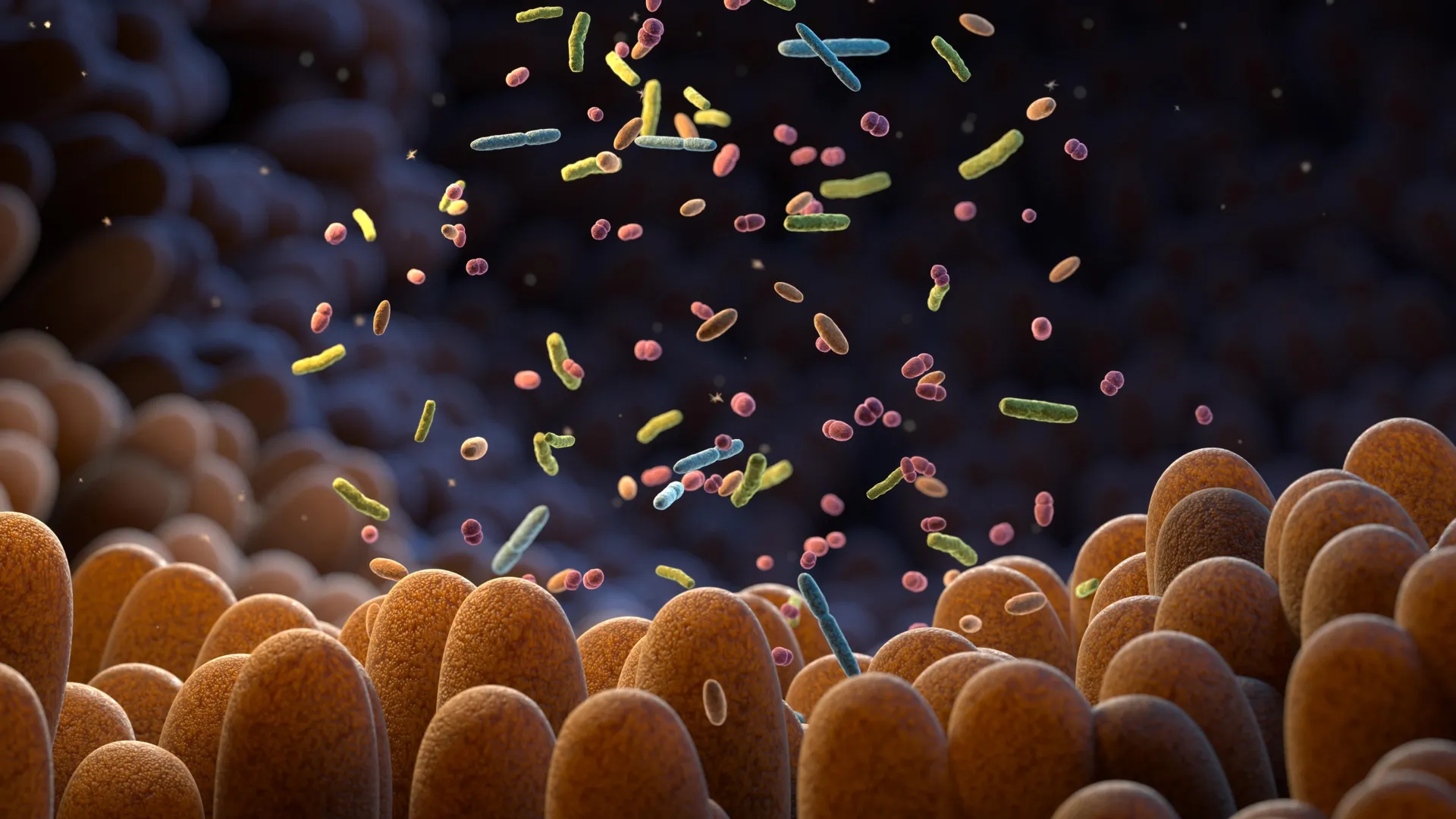
Researchers discovered that beneficial gut bacteria can sense a wide array of nutrients and chemical signals, guiding them toward the best food sources. Credit: Shutterstock

Your gut bacteria are chemical detectives—sniffing out nutrients and even feeding each other to keep your microbiome thriving. Your gut is home to trillions of bacteria that constantly “sense” their surroundings to survive and thrive. New research shows that beneficial gut microbes, especially common Clostridia bacteria, can detect a surprisingly wide range of chemical signals produced during digestion, including byproducts of fats, proteins, sugars, and even DNA. These microbes use specialized sensors to move toward valuable nutrients, with lactate and formate standing out as especially important fuel sources...

Read More

Bio-inspired chip helps robots and self-driving cars react faster to movement

Bio-inspired chip helps robots and self-driving cars react faster to movement
Neuromorphic motion extraction hardware and its application. Credit: Nature Communications (2026). DOI: 10.1038/s41467-026-68659-y

Robots and self-driving cars could soon benefit from a new kind of brain-inspired hardware that can allegedly detect movement and react faster than a human. A new study published in the journal Nature Communications details how an international team built their neuromorphic temporal-attention hardware system to speed up automated driving decisions.

The problem with current robotic vision and self-driving vehicles is a significant delay in processing what they see. While today’s top AI programs can recognize objects accurately, the calculations are so complex that they can take up to half a second to complete...

Read More
