A new open-source program for quantum physics helps researchers obtain results in record time

Photo (Paderborn University, Stefan Rohde): Otus: The new supercomputer at Paderborn University

Scientists at the Institute for Photonic Quantum Systems (PhoQS) and the Paderborn Center for Parallel Computing (PC2) at Paderborn University have developed a powerful open-source software tool that allows them to simulate light behavior in quantum systems.

The unique feature of this tool, named “Phoenix,” is that researchers can use it to very quickly investigate complex effects to a level of detail that was previously unknown, and all without needing knowledge of high-performance computing. The results have now been published in Computer Physics Communications.

Phoenix solves equations that describe how light interacts with material at the quantum level, which is essential for under...

Read More
Seismic activity on the moon could pose risk to long-term lunar infrastructure

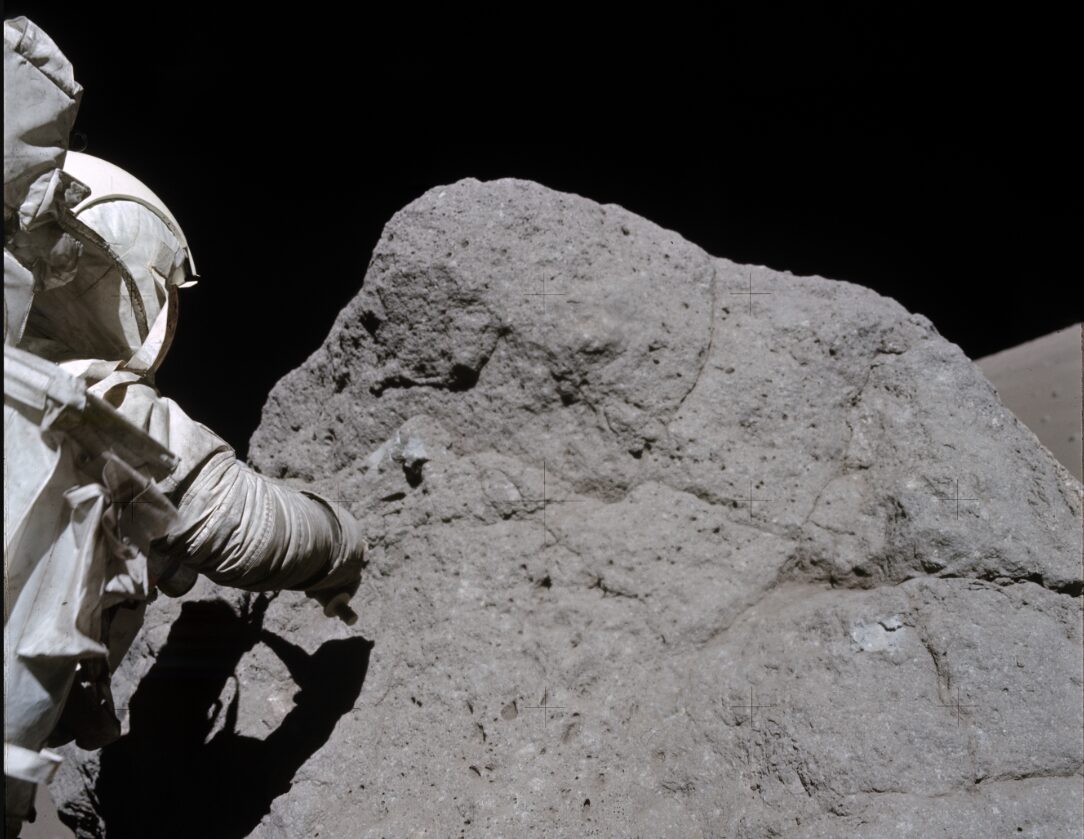
Apollo 17 astronaut Harrison H. Schmitt samples the boulder at Station 7 located at the base of North Massif in the Taurus-Littrow valley. This large boulder was dislodged by a strong moonquake that occurred about 28.5 million years ago. Credit: NASA/JSC/ASU.

A new paper reveals that ground acceleration from moonquakes, rather than meteor impacts, was responsible for shifting lunar landscapes at the moon’s Taurus-Littrow valley, where Apollo 17 astronauts landed in 1972. The study also pinpointed a possible cause for those surface changes and assessed damage risk using new models of the quakes—findings that may impact the safety of future lunar missions and the establishment of long-term bases on the moon.

The paper, authored by Smithsonian Senior Scientist Emeritus Thomas R...

Read More

This bedtime snack swap could rewire your gut and help prevent diabetes

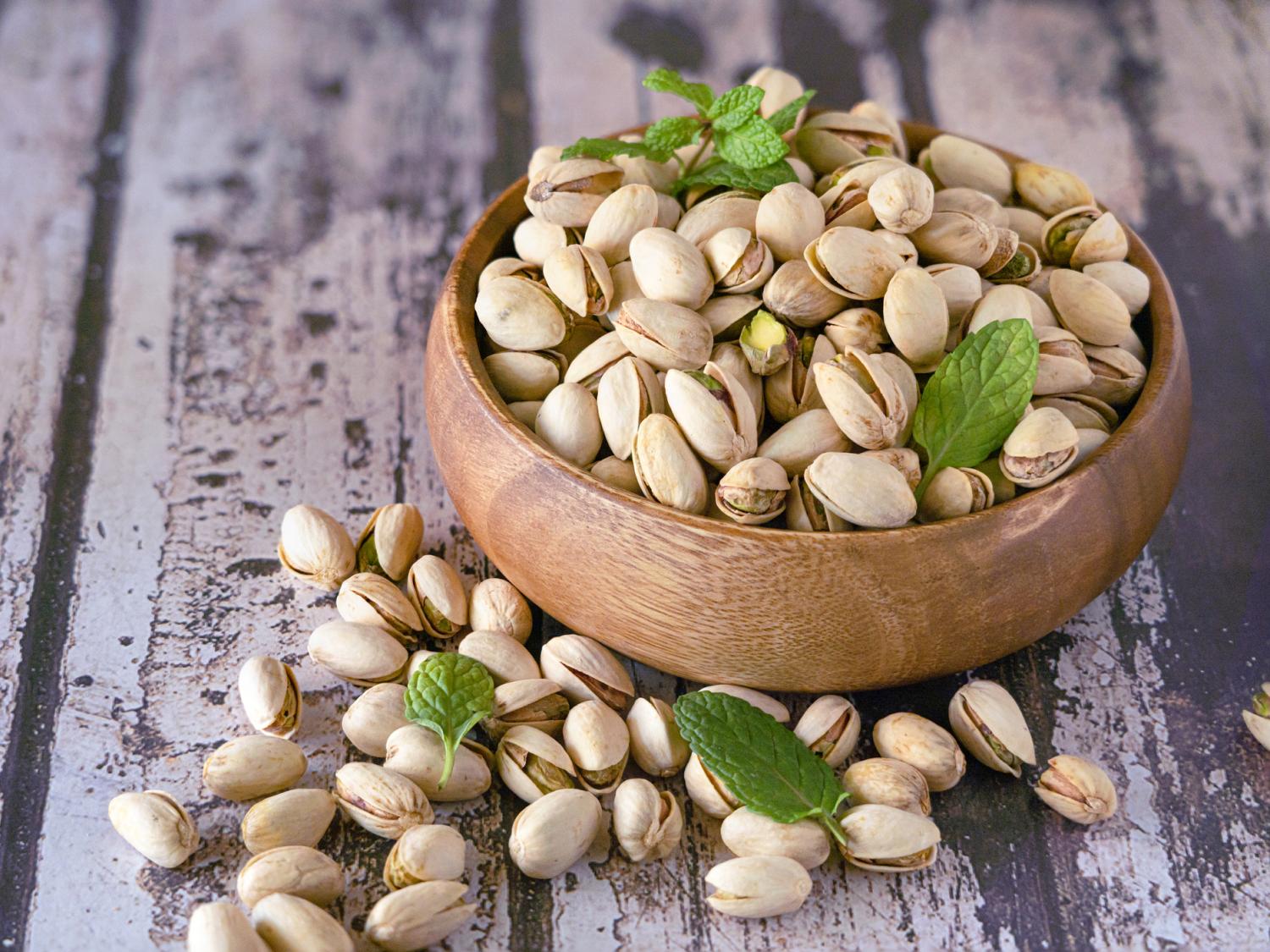
A small wooden bowl overflowing with pistachios and topped with sprigs of mint
Eating pistachios as a nightly snack for 12 weeks altered which bacteria lived in the digestive system of people with prediabetes, according to a new study by researchers at Penn State. Credit: Jose Calatrava Cano/Getty Images. All Rights Reserved.

Eating pistachios every night for 12 weeks altered bacteria in the gut, according to new study. A new study reveals that swapping a typical nighttime carbohydrate snack for pistachios may beneficially alter gut bacteria in people with prediabetes. Conducted by Penn State researchers, the 12-week clinical trial found that pistachio consumption increased beneficial gut microbes like Roseburia and reduced harmful ones such as Blautia hydrogenotrophica...

Read More

Quantum tunneling mystery solved after 100 years—and it involves a surprise collision

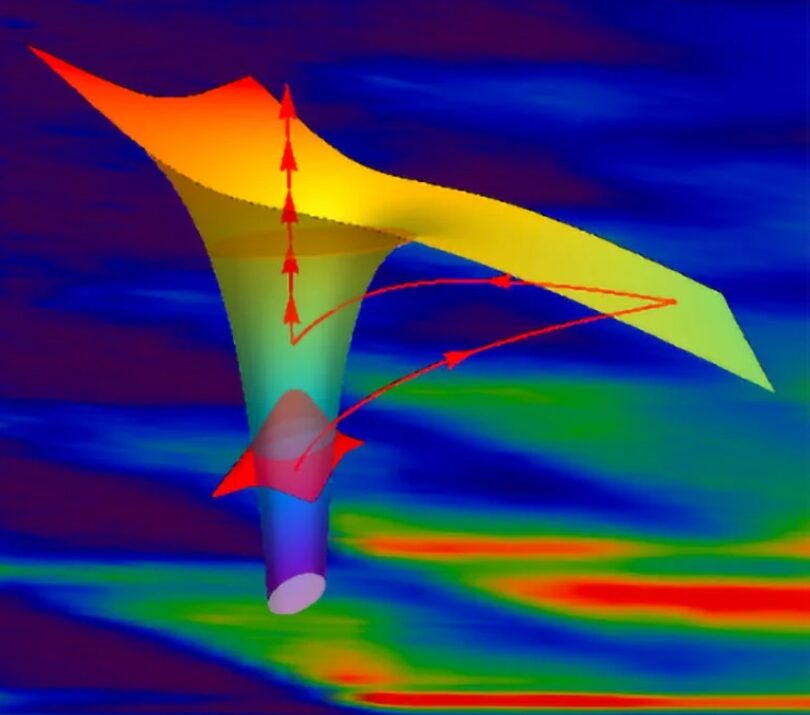
Spatiotemporal trajectory of an electron tunneling through Coulomb barrier under strong laser field. Credit: POSTECH

For the first time ever, scientists have watched electrons perform a bizarre quantum feat: tunneling through atomic barriers by not just slipping through, but doubling back and slamming into the nucleus mid-tunnel. This surprising finding, led by POSTECH and Max Planck physicists, redefines our understanding of quantum tunneling—a process that powers everything from the sun to your smartphone.

Recently, Professor Dong Eon Kim from POSTECH’s Department of Physics and Max Planck Korea-POSTECH Initiative and his research team have succeeded in unraveling for the first time the mystery of the ‘electron tunneling’ process, a core concept in quantum mechanics, and confirm...

Read More