Simple insulin resistance test may also predict cognitive decline in Alzheimer’s patients

blood test
Credit: Artem Podrez from Pexels

Insulin resistance detected by routine triglyceride-glucose (TyG) index can flag people with early Alzheimer’s who are four times more likely to present rapid cognitive decline, according to new research presented at the European Academy of Neurology (EAN) Congress 2025.

Neurologists at the University of Brescia reviewed records of 315 non-diabetic patients with cognitive deficits, including 200 with biologically confirmed Alzheimer’s disease. All subjects underwent an assessment of insulin resistance using the TyG index and a clinical follow-up of three years.

The work is published in the journal Alzheimer’s & Dementia.

When patients were divided according to the TyG index, those in the highest third of the Mild Cognitive Impairment AD subgrou...

Read More
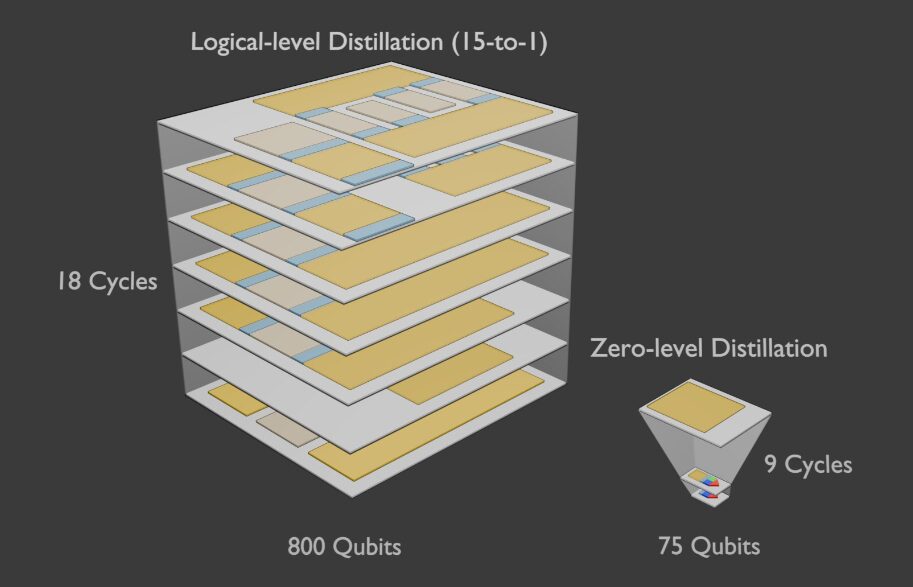
Magically reducing errors in quantum computers: Researchers invent technique to decrease overhead

Comparison of zero-level distillation (right) and logical-level distillation (left). Credit: PRX Quantum (2025). DOI: 10.1103/thxx-njr6

For decades, quantum computers that perform calculations millions of times faster than conventional computers have remained a tantalizing yet distant goal. However, a new breakthrough in quantum physics may have just sped up the timeline.

In an article titled “Efficient Magic State Distillation by Zero-Level Distillation” published in PRX Quantum, researchers from the Graduate School of Engineering Science and the Center for Quantum Information and Quantum Biology at the University of Osaka devised a method that can be used to prepare high-fidelity “magic states” for use in quantum computers with dramatically less overhead and unprecedented accuracy...

Read More

The solar system’s greatest mystery may finally be solved

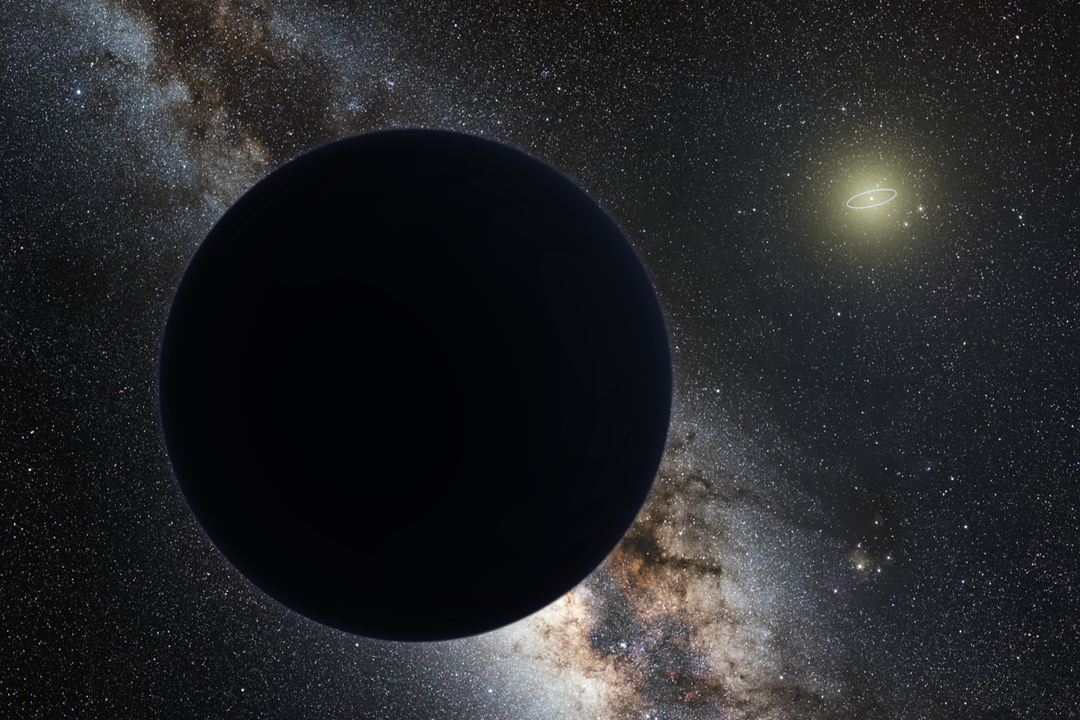
Artist's impression of Planet Nine as an ice giant eclipsing the central Milky Way, with a star-like Sun in the distance. Neptune's orbit is shown as a small ellipse around the Sun. (Credit : Nagual Design)
Artist’s impression of Planet Nine as an ice giant eclipsing the central Milky Way, with a star-like Sun in the distance. Neptune’s orbit is shown as a small ellipse around the Sun. (Credit : Nagual Design)

For years, astronomers have been searching for a mysterious ninth planet lurking in the dark outer reaches of our solar system. Now, a team of researchers have taken a completely different approach to this cosmic detective story—instead of looking for reflected sunlight, they’re hunting for the planet’s own heat signature.

The story begins with a puzzle in the outer solar system. Scientists noticed that small icy bodies called Kuiper Belt Objects, which orbit far beyond Neptune, seem to be clustered together in unusual ways...

Read More

Modified mRNA vaccine masquerades as a virus to trick the body into stronger immunity

Co-delivery of SpyC-mi3 and Pfs25-SpyT results in assembled particles displaying Pfs25 at high density. Credit: Nature Nanotechnology (2025). DOI: 10.1038/s41565-025-01889-1

A more effective vaccine technology may be on the horizon. In a new study in mice, researchers from the University of Copenhagen demonstrate that a simple addition to mRNA vaccines can significantly enhance their effectiveness. The innovation could become a powerful tool in the next pandemic. The next step is human trials.

During the COVID-19 pandemic, it wasn’t just face masks that became part of everyday conversation—so did a new vaccine technology: the mRNA vaccine.

As the first of its kind, the COVID-19 vaccine was developed using mRNA technology, which proved both highly effective against the virus a...

Read More