Clinical trial shows improvements for spinal cord injuries

The leadership group for the Texas Biomedical Device Center includes, from left, Dr. Michael Kilgard, Dr. Jane Wigginton, Dr. Seth Hays and Dr. Robert Rennaker.

Researchers demonstrated unprecedented rates of recovery for spinal cord injuries. Individuals with incomplete spinal cord injury safely received a combination of stimulation of a nerve in the neck with progressive, individualized rehabilitation. This approach, called closed-loop vagus nerve stimulation (CLV), produced meaningful improvements in arm and hand function in these individuals.

In a new clinical study, researchers from the Texas Biomedical Device Center (TxBDC) at The University of Texas at Dallas demonstrated unprecedented rates of recovery for spinal cord injuries.

In this study, published in the journal Natu...

Read More
Robots learning without us? New study cuts humans from early testing

Humans no longer have exclusive control over training social robots to interact effectively, thanks to a new study from the University of Surrey and the University of Hamburg.

The study, which will be presented at this year’s IEEE International Conference on Robotics and Automation (ICRA), introduces a new simulation method that lets researchers test their social robots without needing human participants, making research faster and scalable.

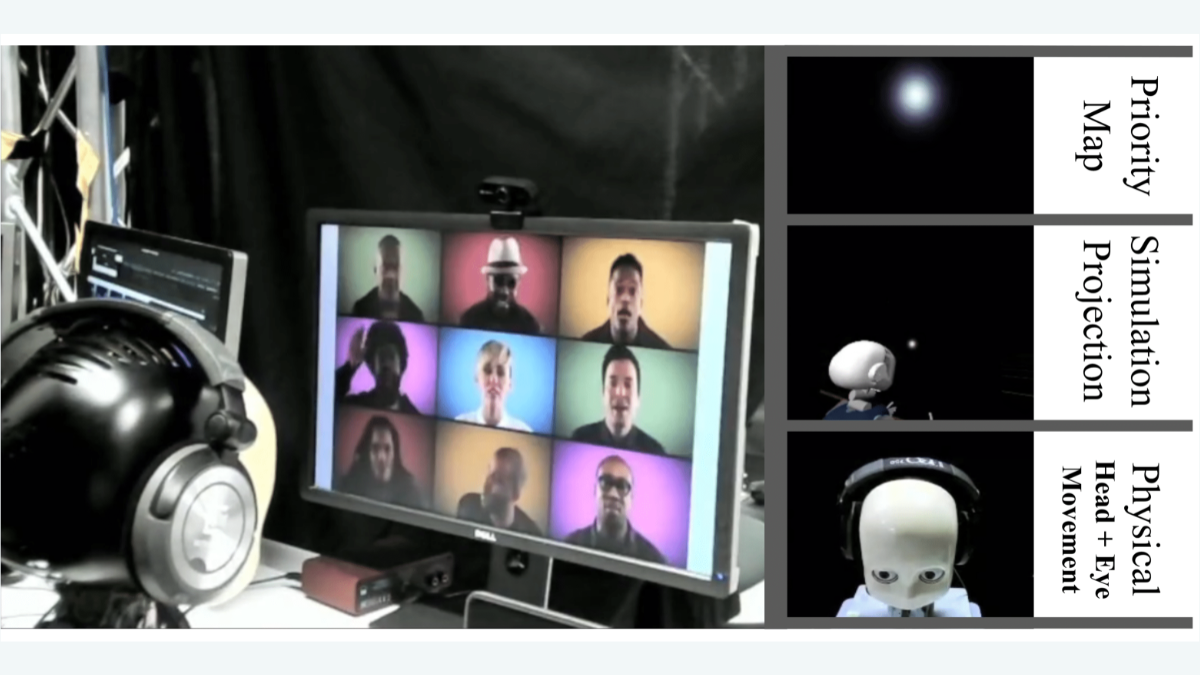
Using a humanoid robot, the research team developed a dynamic scanpath prediction model to help the robot predict where a person would look in a social setting.

The model was tested using two publicly available datasets, and the researchers demonstrated that humanoid robots were capable of mimicking human-like eye movements.

Dr Di Fu, ...

Read More

Gas location drives star formation in distant galaxies

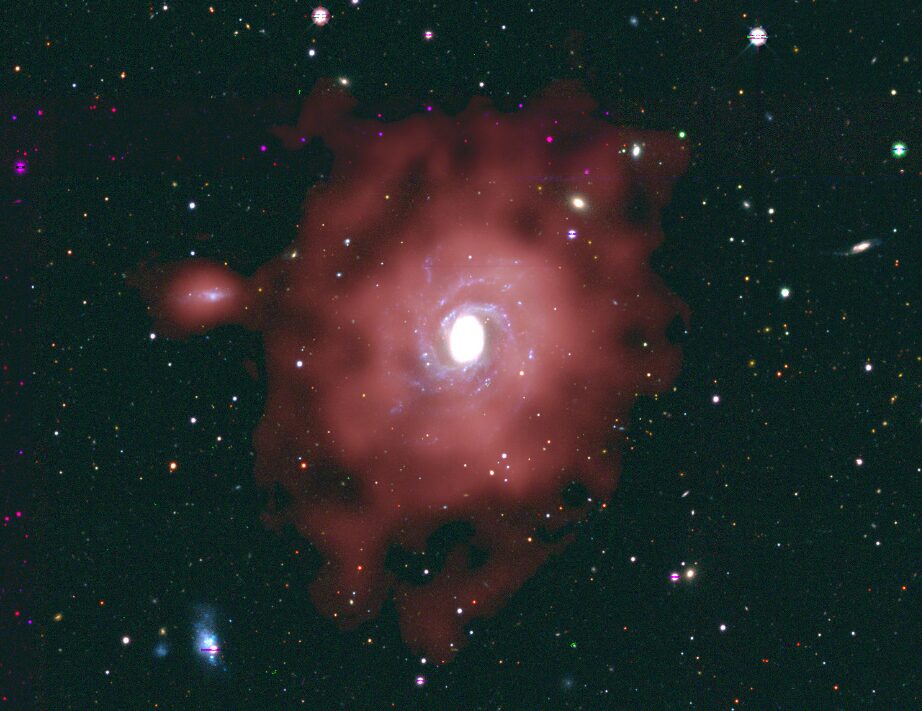
The red shade shows the atomic hydrogen gas content of the galaxy overlaid on the optical image. Credit: Legacy Surveys / D. Lang (Perimeter Institute)/ T. Westmeier – ICRAR

In the intriguing realm of star-forming galaxies, the key factor isn’t the total amount of gas but rather its strategic distribution within the galaxy.

Researchers at the International Centre for Radio Astronomy Research (ICRAR) made the discovery about galaxies by studying the gas distribution that helps create stars.

Using CSIRO’s ASKAP radio telescope located at Inyarrimanha Ilgari Bundara, the CSIRO Murchison Radio-astronomy Observatory, researchers explored the gas distribution in about 1,000 galaxies as part of the WALLABY survey.

Lead author Seona Lee, a PhD student at The University of Western Au...

Read More

New perspectives for wound healing and the treatment of chronic diseases

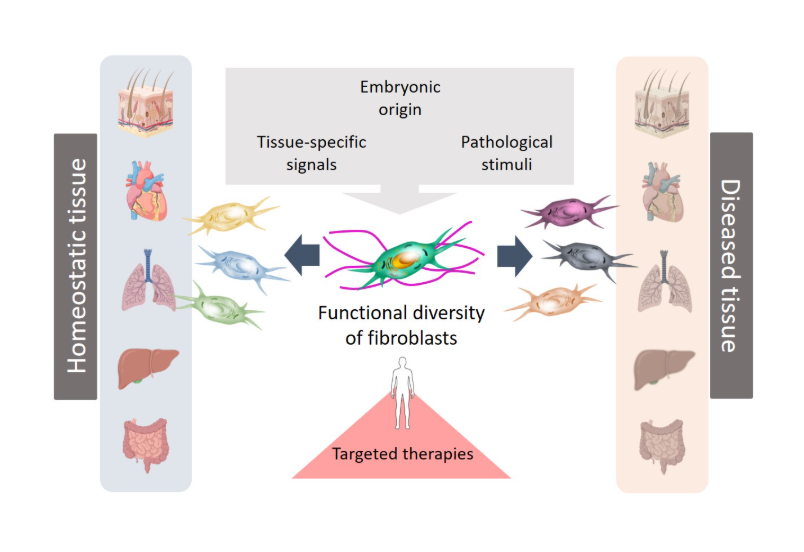
Human fibroblasts comprise diverse populations with specialized roles in tissue homeostasis and pathology that are controlled by developmental and environmental signals. Image: Professor Sandra Franz, Biorender.com

Fibroblasts are specialised connective tissue cells that play a key role in wound healing and tissue regeneration. The recent scientific publication from the University of Leipzig Medical Center shows that fibroblasts respond differently depending on the organ and disease context. Their functions are shaped by their embryonic origin, tissue-specific signals, and pathological stimuli...

Read More