Antibiotic tagged posts

Novel antibiotic targets IBD—and AI predicted how it would work before scientists could prove it

Two researchers pose in a university laboratory.
McMaster graduate student Denise Catacutan (left) and assistant professor Jon Stokes (right) have discovered a new antibiotic — and they leveraged cutting-edge AI to determine how it works.

Researchers at McMaster University and the Massachusetts Institute of Technology (MIT) have made two scientific breakthroughs at once: they not only discovered a brand-new antibiotic that targets inflammatory bowel diseases (IBD), but also successfully used a new type of AI to predict exactly how the drug works. To their knowledge, this is a global first for the AI.

Detailed in the journal Nature Microbiology, the discovery unveils a promising new treatment option for millions of people affected by Crohn’s disease and other related conditions, while also showcasing important new applications fo...

Read More
Possible Alternative Treatment for Lyme disease

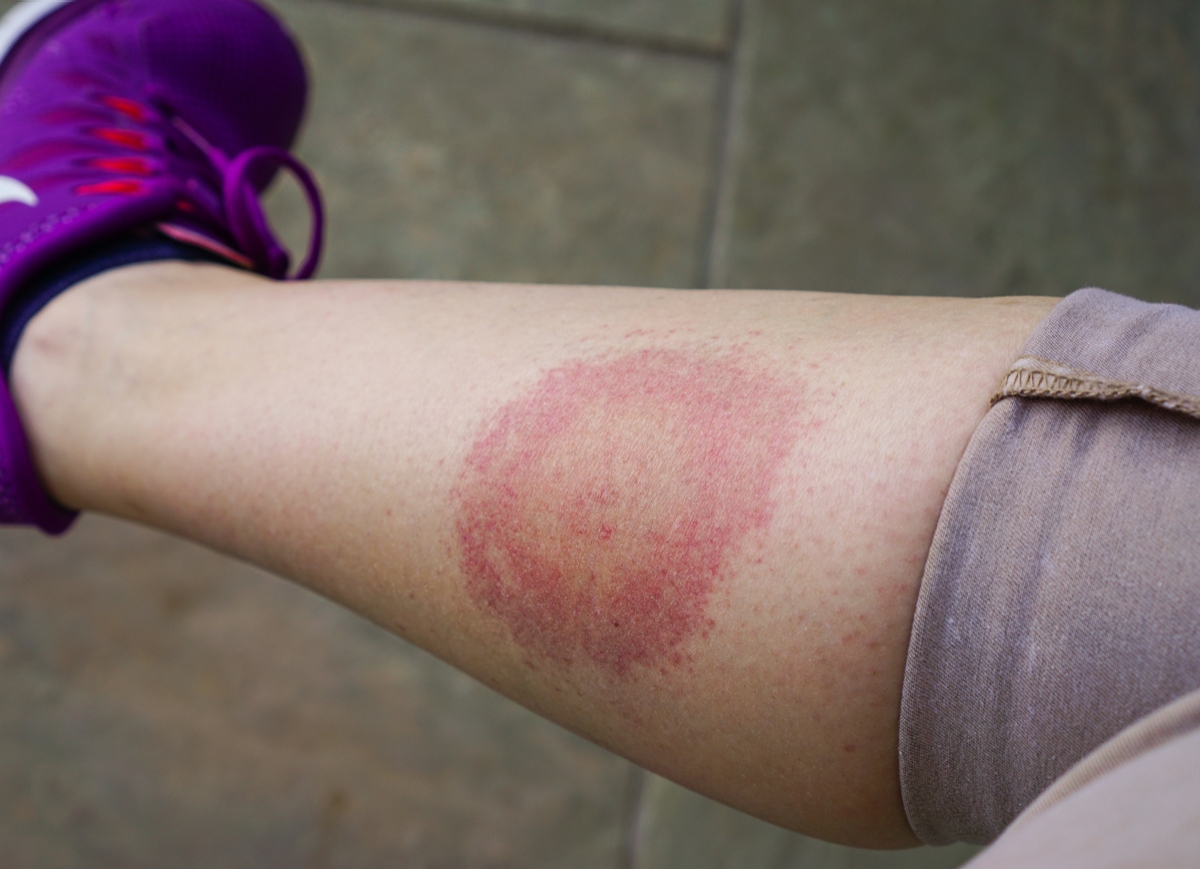
person with lyme disease

Researchers have described a new antibiotic that appears to have the potential to cure Lyme disease. As if COVID and RSV weren’t bad enough, incidents of Lyme disease — a potentially serious disease caused by the bacteria Borrelia burgdorferi and transmitted following a bite of an infected deer tick — also are on the rise in the United States.

Lyme disease affects an estimated 300,000 people in the United States alone. Humans and animals can be infected with B. burgdorferi following the bite of an infected deer tick, also known as the black-legged tick. About 80% of those who contract the disease will develop a bulls-eye rash (erythema migrans) around or near the site of the bite anywhere from three to 30 days following the bite.

Although early antibiotic treatment is effective ...

Read More

Artificial Intelligence yields new Antibiotic

MIT researchers used a machine-learning algorithm to identify a drug called halicin that kills many strains of bacteria. Halicin (top row) prevented the development of antibiotic resistance in E. coli, while ciprofloxacin (bottom row) did not.

Image: courtesy of the Collins Lab at MIT

A deep-learning model identifies a powerful new drug that can kill many species of antibiotic-resistant bacteria

Using a machine-learning algorithm, MIT researchers have identified a powerful new antibiotic compound. In laboratory tests, the drug killed many of the world’s most problematic disease-causing bacteria, including some strains that are resistant to all known antibiotics. It also cleared infections in two different mouse models.

The computer model, which can screen more than a hundr...

Read More

Antibiotic use linked to heightened Bowel Cancer risk but lower rectal cancer risk, suggesting differences in microbiome activity

Image result for Antibiotic use linked to heightened bowel cancer risk
Oral antibiotic use and risk of colorectal cancer in the United Kingdom, 1989–2012: a matched case–control study, Gut (2019). DOI: 10.1136/gutjnl-2019-318593

Antibiotic use (pills/capsules) is linked to a heightened risk of bowel (colon) cancer, but a lower risk of rectal cancer, and depends, to some extent, on the type and class of drug prescribed, suggests research published online in the journal Gut.

The findings suggest a pattern of risk that may be linked to differences in gut microbiome (bacteria) activity along the length of the bowel and reiterate the importance of judicious prescribing, say the researchers.

In 2010, patients around the world took an estimated 70 billion doses of antibiotics – equivalent to 10 doses each...

Read More