artificial intelligence tagged posts

A New Large-Scale Simulation Platform to Train Robots on Everyday Tasks

A new large-scale simulation platform to train robots on everyday tasks
RoboCasa is a simulation framework for training generalist robot agents. Image credits: Yuke Zhu and Soroush Nasiriany.

The performance of artificial intelligence (AI) tools, including large computational models for natural language processing (NLP) and computer vision algorithms, has been rapidly improving over the past decades. One reason for this is that datasets to train these algorithms have exponentially grown, collecting hundreds of thousands of images and texts often collected from the internet.

Training data for robot control and planning algorithms, on the other hand, remains far less abundant, in part because acquiring it is not as straightforward...

Read More

Cutting-Edge Vision Chip brings Human Eye-like Perception to Machines

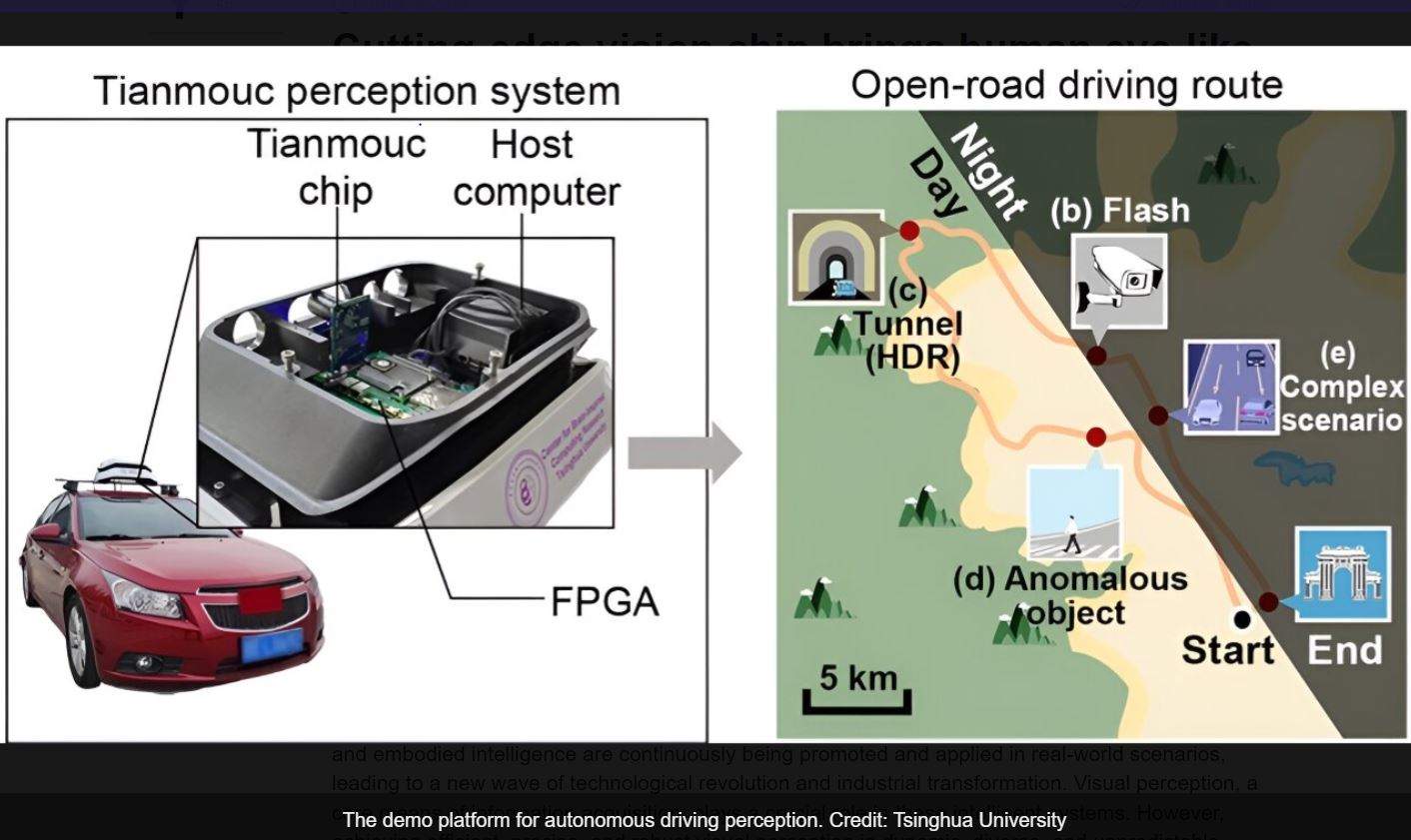
With the rapid advancement of artificial intelligence, unmanned systems such as autonomous driving and embodied intelligence are continuously being promoted and applied in real-world scenarios, leading to a new wave of technological revolution and industrial transformation. Visual perception, a core means of information acquisition, plays a crucial role in these intelligent systems. However, achieving efficient, precise, and robust visual perception in dynamic, diverse, and unpredictable environments remains an open challenge.

In open-world scenarios, intelligent systems must not only process vast amounts of data but also handle various extreme events, such as sudden dangers, drastic light changes at tunnel entrances, and strong flash interference at night in driving scenarios.

Read More

AI Systems are Already Skilled at Deceiving and Manipulating Humans, study shows

Many artificial intelligence (AI) systems have already learned how to deceive humans, even systems that have been trained to be helpful and honest. In a review article published in the journal Patterns on May 10, researchers describe the risks of deception by AI systems and call for governments to develop strong regulations to address this issue as soon as possible.

“AI developers do not have a confident understanding of what causes undesirable AI behaviors like deception,” says first author Peter S. Park, an AI existential safety postdoctoral fellow at MIT. “But generally speaking, we think AI deception arises because a deception-based strategy turned out to be the best way to perform well at the given AI’s training task. Deception helps them achieve their goals.”

Park and coll...

Read More

Q&A: How to Train AI when you Don’t Have Enough Data

Artificial intelligence excels at sorting through information and detecting patterns or trends. But these machine learning algorithms need to be trained with large amounts of data first.

As researchers explore potential applications for AI, they have found scenarios where AI could be really useful—such as analyzing X-ray image data to look for evidence of rare conditions or detecting a rare fish species caught on a commercial fishing boat—but there’s not enough data to accurately train the algorithms.

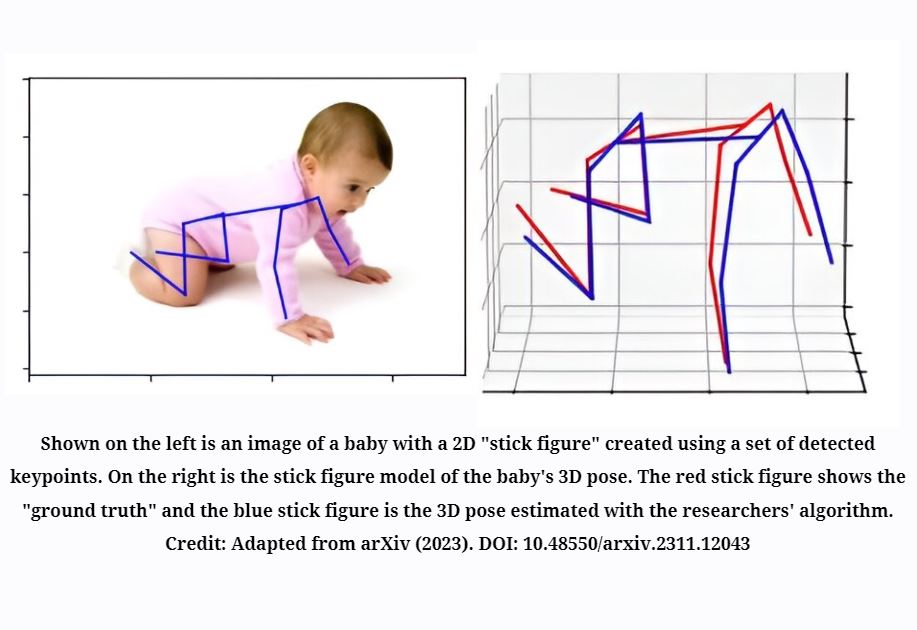
Jenq-Neng Hwang, University of Washington professor of electrical and computer and engineering, specializes in these issues. For example, Hwang and his team developed a method that teaches AI to monitor how many distinct poses a baby can achieve throughout the day...

Read More