



- A safer, more effective atrial fibrillation treatment method using magnetic gel may be on the way
- Self-repairing spacecraft could change future missions
- Injectable ‘satellite livers’ could offer an alternative to liver transplantation
- Next-generation memory material has the surprising property of shrinking when heated
Asteroid Ryugu tagged posts
Could the Asteroid Ryugu be a Remnant of an Extinct Comet? Scientists now answer
March 23, 2022,
 Astronomy/Space
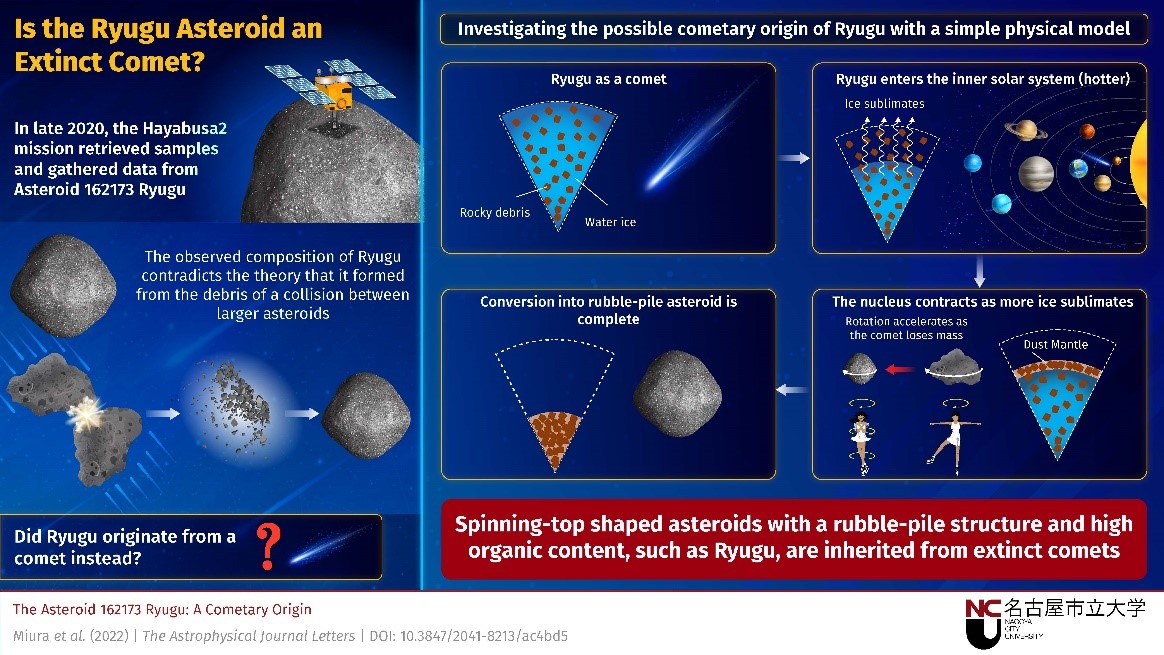
Asteroids hold many clues about the formation and evolution of planets and their satellites. Understanding their history can, therefore, reveal much about our solar system. While observations made from a distance using electromagnetic waves and telescopes are useful, analyzing samples retrieved from asteroids can yield much more detail about their characteristics and how they may have formed. An endeavor in this direction was the Hayabusa mission, which, in 2010, returned to Earth after 7 years with samples from the asteroid Itokawa.
The successor to this mission, called Hayabusa2, was completed near the end of 2020, bringing back material from Asteroid 162173 “Ryugu,” along with a collection of images and data gathered remotely from close proximity...
Read MoreAsteroid Ryugu’s Rocky Past
September 24, 2020,
Astronomy/Space
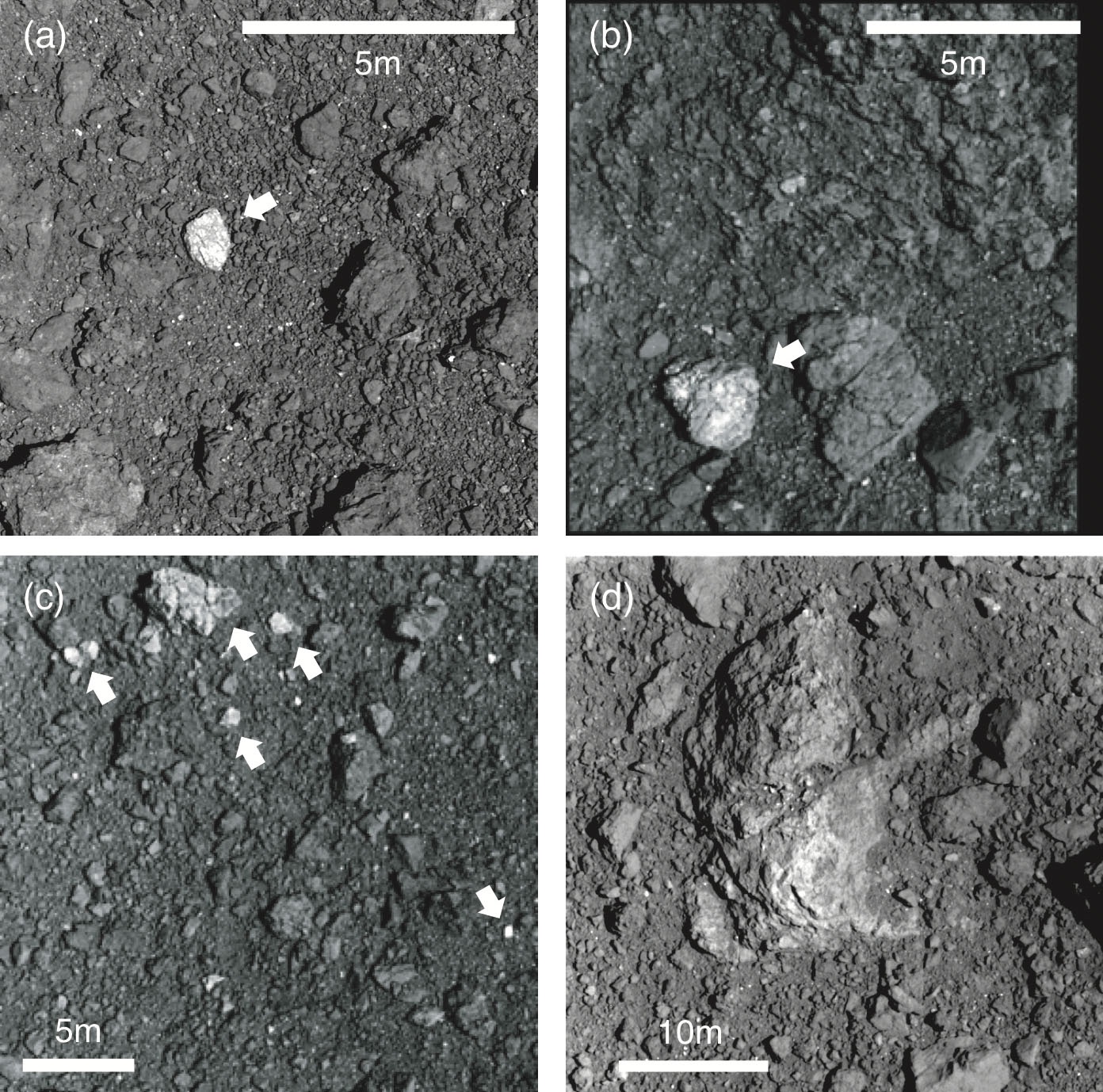
Different kinds of rocks on Ryugu provide clues to the asteroid’s turbulent history. Researchers find evidence that asteroid Ryugu was born out of the possible destruction of a larger parent asteroid millions of years ago. Thanks to the Hayabusa2 spacecraft, the international team was able to study certain surface features in detail. Variations in the kinds of boulders scattered on Ryugu tell researchers about the processes involved in its creation. The study of asteroids including Ryugu informs the study of the evolution of life on Earth.
The asteroid Ryugu may look like a solid piece of rock, but it’s more ...
Read MoreAsteroid Ryugu likely link in Planetary Formation
March 18, 2020,
Uncategorized
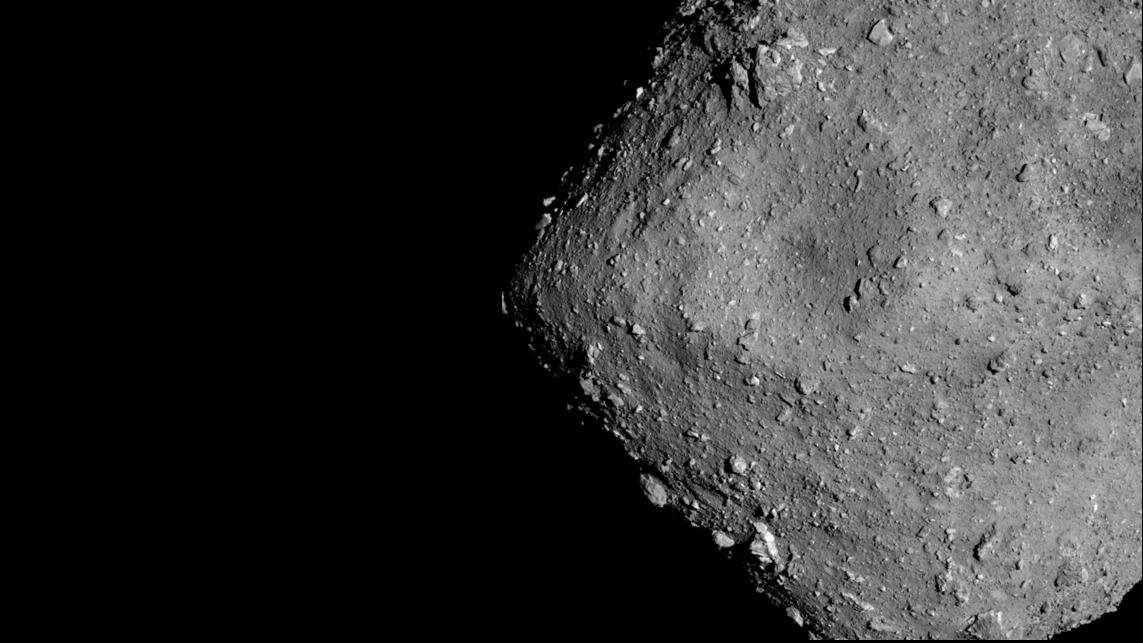
The solar system formed approximately 4.5 billion years ago. Numerous fragments that bear witness to this early era orbit the sun as asteroids. Around three-quarters of these are carbon-rich C-type asteroids, such as 162173 Ryugu, which was the target of the Japanese Hayabusa2 mission in 2018 and 2019. The spacecraft is currently on its return flight to Earth...
Read More

Recent Comments