
cardiovascular tagged posts

Circadian disruption by night light linked to multiple cardiovascular outcomes

realistic image of a person in bed disrupted by artificial night light coming from the street
Credit: AI-generated image

Flinders Health and Medical Research Institute researchers, along with colleagues in the UK and U.S., have linked brighter night-time light exposure to elevated risks of five major cardiovascular diseases.

Circadian rhythms govern fluctuations in blood pressure, heart rate, platelet activation, hormone secretion, and glucose metabolism. Long-term disruption of those rhythms in animal and human studies have produced myocardial fibrosis, hypertension, inflammation, and impaired autonomic balance. Previous research efforts relied largely on satellite-derived estimates or small cohorts using bedroom or wrist light sensors, leaving personal exposure patterns uncharted at population scale.

In the study, “Personal night light exposure predicts incidence of car...

Read More
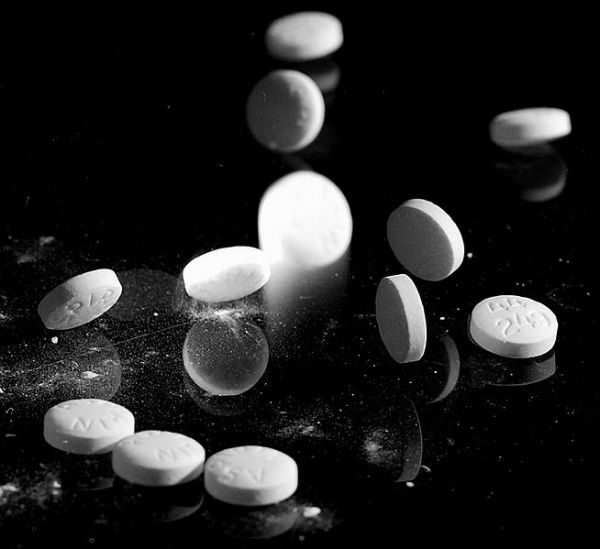
Widespread Aspirin use despite Few Benefits, High Risks

Related image
Prevalence of Aspirin Use for Primary Prevention of Cardiovascular Disease in the United States: Results From the 2017 National Health Interview SurveyAnnals of Internal Medicine, 2019; DOI: 10.7326/M19-0953

Medical consensus once supported daily use of low dose aspirin to prevent heart attack and stroke in people at increased risk for cardiovascular disease (CVD). But in 2018, three major clinical trials cast doubt on that conventional wisdom, finding few benefits and consistent bleeding risks associated with daily aspirin use...

Read More
