COVID-19 tagged posts

Electric Cooker an easy, efficient way to Sanitize N95 Masks, study finds

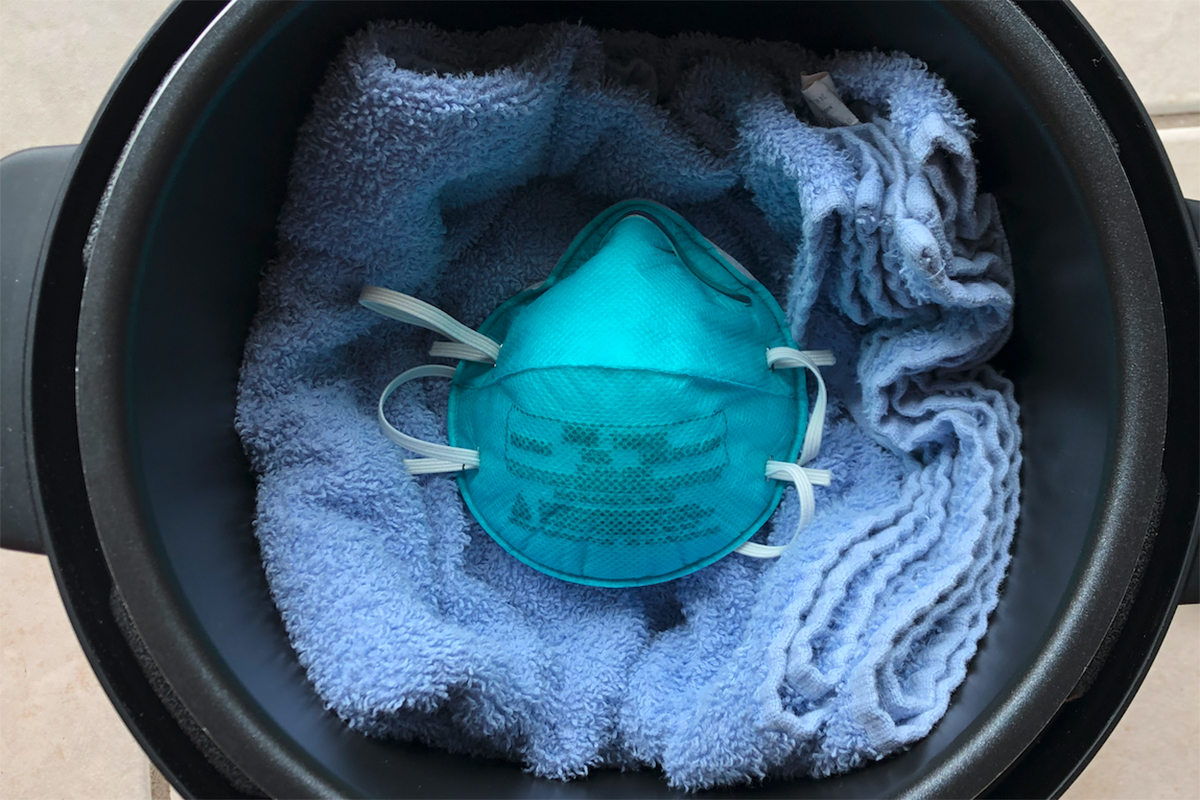
One 50-minute, 212 F cooking cycle in a dry electric multicooker decontaminates an N95 respirator without chemicals and without compromising the filtration or fit.
Photo by Chamteut Oh

Owners of electric multicookers may be able to add another use to its list of functions, a new study suggests: sanitization of N95 respirator masks.

The University of Illinois, Urbana-Champaign study found that 50 minutes of dry heat in an electric cooker, such as a rice cooker or Instant Pot, decontaminated N95 respirators inside and out while maintaining their filtration and fit. This could enable wearers to safely reuse limited supplies of the respirators, originally intended to be one-time-use items.

Led by civil and environmental engineering professors Thanh “Helen” Nguyen and Vishal Verma, the...

Read More
Transferrin identified as Potential Contributor to COVID-19 Severity

Could transferrin be a potential biomarker for COVID-19 severity?

The University of Kent’s School of Biosciences and the Institute of Medical Virology at Goethe-University, Frankfurt am Main, have identified that a glycoprotein known as transferrin may critically contribute to severe forms of COVID-19.

SARS-CoV-2 is the coronavirus that causes COVID-19. It is currently not known why some individuals develop only mild or no symptoms when infected, whilst others experience severe, life-threatening forms of the disease. However, it is known that the risk of COVID-19 becoming severe increases with age and is higher in males than in females. Many severe COVID-19 cases are characterised by increased blood clotting and thrombosis formation.

The team combined existing data on gene expres...

Read More

Scientists discover Key Element of Strong Antibody response to COVID-19

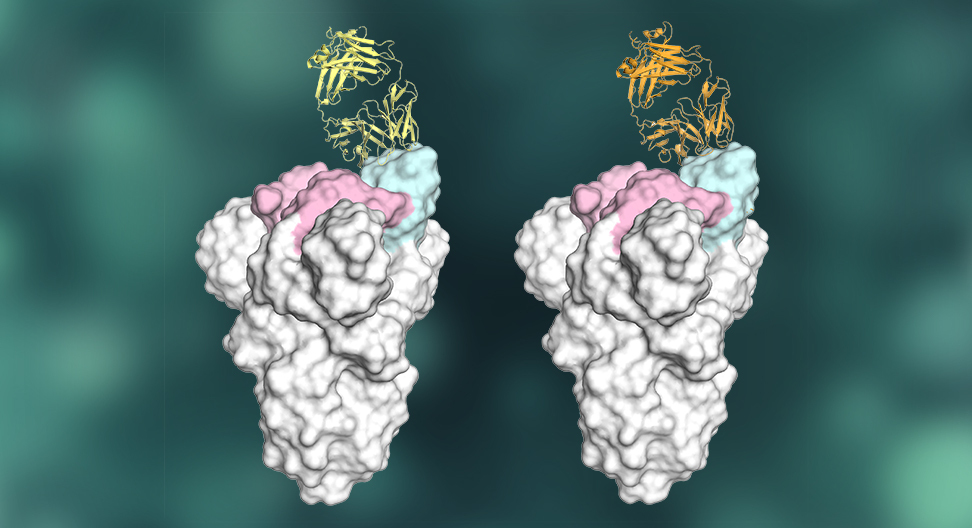
Many anti-SARS-CoV-2 antibodies are produced by a common antibody gene. X-ray crystallography revealed how specific features of these antibodies (two of which are depicted here in yellow and orange, attached to the virus) enable potent recognition of the virus’s spike protein. Graphic by Meng Yuan, Hejun Liu and Nicholas Wu in the Wilson lab.

The findings support many vaccine strategies being used to tackle the new coronavirus. A team led by scientists at Scripps Research has discovered a common molecular feature found in many of the human antibodies that neutralize SARS-CoV-2, the coronavirus that causes COVID-19.

The scientists, whose study appears July 13 in Science, reviewed data on nearly 300 anti-SARS-CoV-2 antibodies that their labs and others have found in convalescent COVID...

Read More

Hamsters develop protective Immunity to COVID-19 and are Protected by Convalescent Sera

Three x-rays of hamster lungs
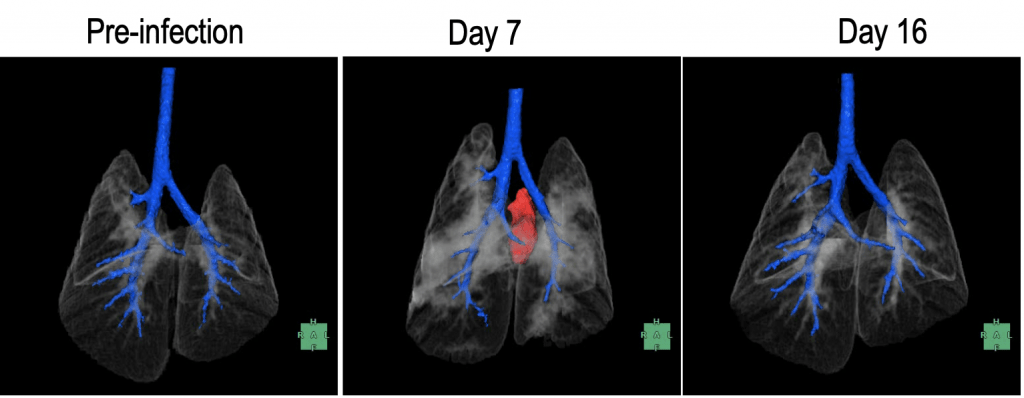
Images of the lungs of hamsters before and after infection with SARS-CoV-2, from CT scans at UW Veterinary Care at the School of Veterinary Medicine. In blue are the trachea and bronchi. In red is a region of gas in the cavity just outside the lungs, indicating severe lung damage in the affected animal. The opaque clouding is similar to the “ground glass” appearance in the lungs of some human patients sick with COVID-19. Signs of severe disease in the lungs of hamsters became apparent within eight days of infection and began to improve by 10 days. The effects lingered for longer, as evident on the scan taken 16 days after initial infection. COURTESY OF YOSHIHIRO KAWAOKA

In an animal model for COVID-19 that shares important features of human disease, scientists at the University...

Read More