
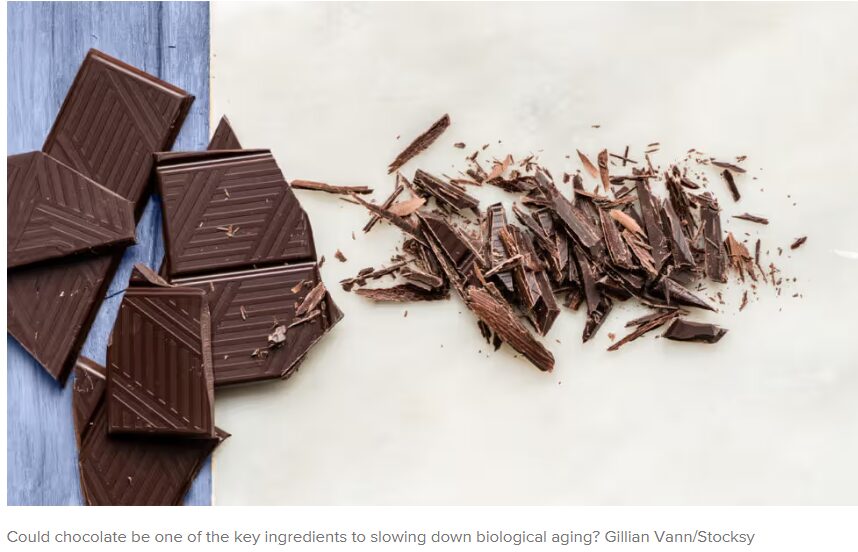
dark chocolate tagged posts

Could eating more dark chocolate help slow down biological aging?

Theobromine is found in cocoa and, to a lesser extent, coffee. It is chemically similar to caffeine but does not have such a pronounced stimulant effect.

A new study, published in the journal Aging, measured levels of this compound in people’s blood.

They found that those with the highest levels had epigenetic markers associated with slower biological aging.

But what is theobromine?
Theobromine is a bioactive phytochemical, meaning that it comes from a plant, and it can influence human physiology.

The primary sources of theobromine in the human diet are chocolate and, to a lesser extent, coffee.

This compound is a major component of cocoa beans, comprising around 3.3% by weight. It is molecularly similar to caffeine and shares some of its effects.

However, experts c...

Read More

Study explores the Effects of Eating Dark Chocolate on the Brain

Eating chocolate is typically discouraged by nutritionists, as it is can be high in calories, fat and sugar. Cocoa, however, chocolate’s primary ingredient derived from the seed of the cacao plant, has been found to have numerous qualities that could be beneficial for both the body and mind.

Most notably, pure cocoa is highly nutritious and is a powerful source of antioxidants, substances that can prevent or slow down cell damage caused by free radicals. Free radicals are unstable and highly reactive molecules produced by the body when responding to environmental stresses, which are associated with aging and disease. In addition, cocoa has been found to help regulate the blood pressure and prevent cognitive decline.

Despite these potentially beneficial properties, chocolate bars...

Read More

Chemical Compounds in Foods can Inhibit a key SARS-CoV-2 Enzyme, study finds

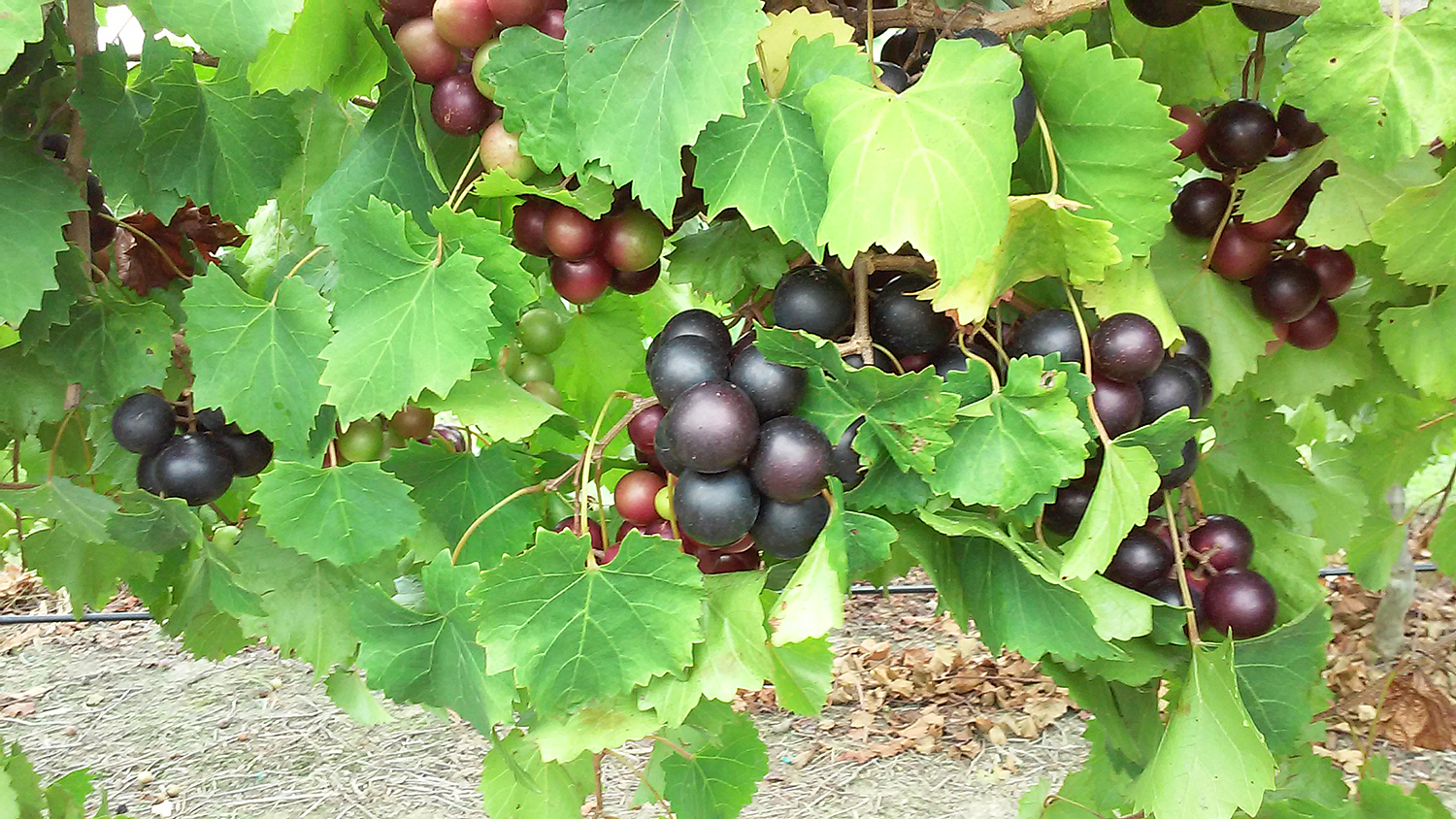
Photo of muscadine grapes on the vine.
Chemical compounds in muscadine grapes effectively inhibit an important SARS-CoV-2 protease. Photo courtesy of De-Yu Xie, NC State University.

Chemical compounds in foods or beverages like green tea, muscadine grapes and dark chocolate can bind to and block the function of a particular enzyme, or protease, in the SARS-CoV-2 virus, according to a new study by plant biologists at North Carolina State University.

Proteases are important to the health and viability of cells and viruses, says De-Yu Xie, professor of plant and microbial biology at NC State and the corresponding author of the study. If proteases are inhibited, cells cannot perform many important functions — like replication, for example.

“One of our lab’s focuses is to find nutraceuticals in food or medicinal plants tha...

Read More
